bukchon, hanok, traditional, korea, house, bukchon, bukchon, bukchon, hanok, hanok, hanok, hanok, hanok, korea, korea, korea

Bukchon Hanok Village

Seoul, South Korea
i

bukchon, hanok, traditional, korea, house, bukchon, bukchon, bukchon, hanok, hanok, hanok, hanok, hanok, korea, korea, korea

Photo by Herbert_Lee

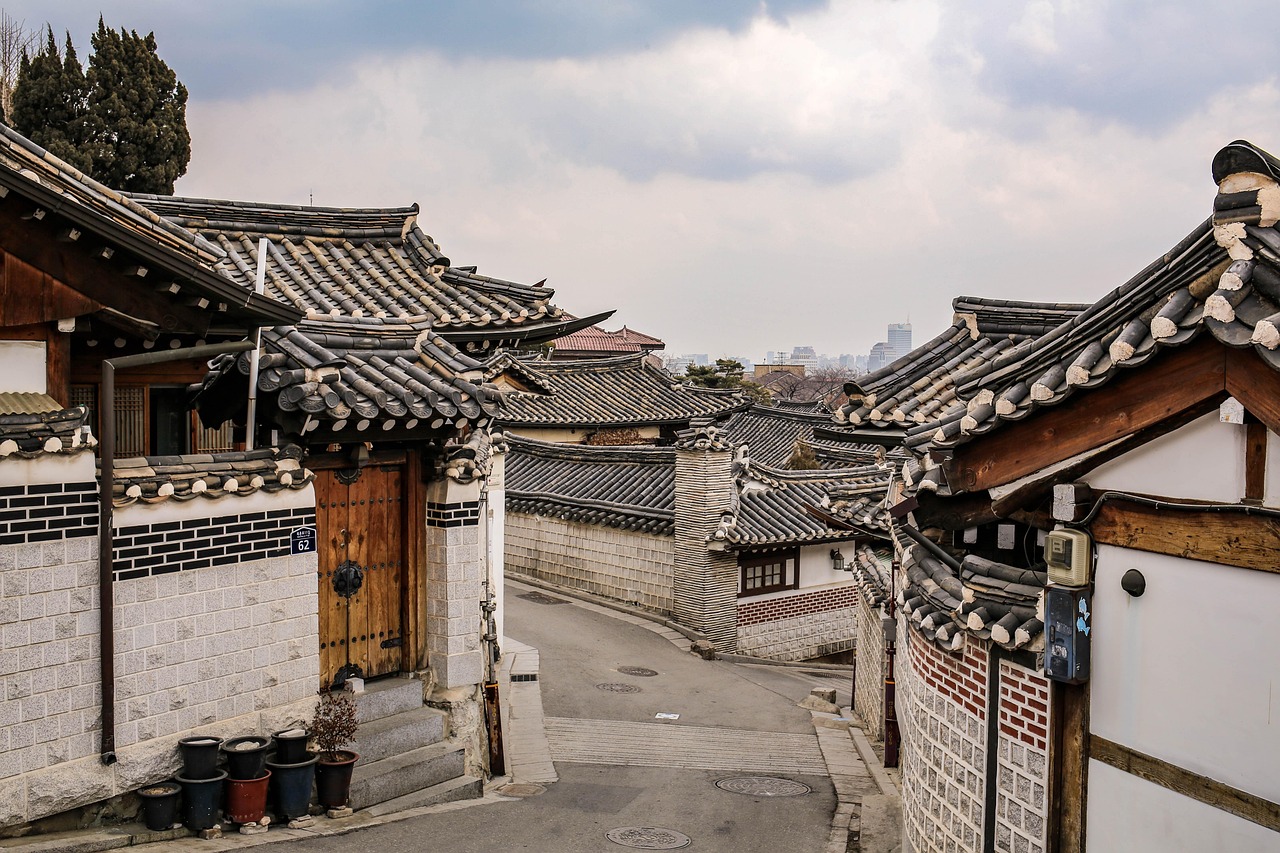
Stepping into Bukchon Hanok Village feels like wandering through a living museum, where the past mingles easily with the present. Traditional Korean homes, known as hanok, line winding, stone-paved paths, framed by tiled roofs and intricate wooden detail. Artists sketch in doorways as local residents go about daily life, giving visitors a glimpse into historic Seoul rhythms—without ever needing to leave the city’s modern pulse behind. This district captures Korea’s old soul and fresh spirit, offering a rare glimpse into daily life amid centuries-old architecture.

Visiting Info

Currency
Entrance fee
Free
Hours
Opening hours
Monday: 10:00 AM – 5:00 PM
Tuesday: 10:00 AM – 5:00 PM
Wednesday: 10:00 AM – 5:00 PM
Thursday: 10:00 AM – 5:00 PM
Friday: 10:00 AM – 5:00 PM
Saturday: 10:00 AM – 5:00 PM
Sunday: 10:00 AM – 5:00 PM

Contact Information

Location
Address
Gyedong-gil, Jongno District, Seoul, South Korea

Planning your visit

The charm of Bukchon Hanok Village really depends on timing and preparation. Early morning mist often sits over the rooftops, while afternoon sunlight casts dramatic shadows—ideal for photographers. Prime hours bring tourists and student groups, so patience is essential during peak seasons. Walking is the norm here; cars aren’t allowed in much of the heart of the village, and cobblestoned lanes require good footwear. Entry to the village itself is free, but some hanok-turned-museums or workshops may charge small fees. For those seeking a quieter, richer experience, weekdays or shoulder seasons suit best.

  • Best time to visit: Weekday mornings in spring (April-May) or autumn (September-October) offer mild weather and fewer crowds.
  • How to get there: Take Seoul Metro Line 3 to Anguk Station (Exit 2), then follow signs for a ten-minute walk uphill.
  • Accessibility: Many lanes are steep and uneven, which may be difficult for strollers or wheelchairs. Some main streets are easier, but overall, Bukchon is best for those comfortable with stairs.
  • Average visit duration: Two to three hours lets visitors explore, photograph, and sample some local treats.

Must see stuff

While wandering Bukchon Hanok Village, visitors notice how each neighborhood bend leads to new discoveries—scenic viewpoints, silent meditation spaces, or bustling artisan studios. Some highlights are celebrated in guidebooks, while others demand a bit of curiosity and patience to find. From the historic hanok clusters to lesser-known tea shops tucked away in quiet corners, there’s something for every curious traveler.

  • Key sights or features: The Eight Views of Bukchon, a mapped series of scenic points, offer picture-perfect city and mountain panoramas. The Bukchon Cultural Center, set in a grand hanok, provides cultural exhibits and crafts workshops.
  • Unique experiences: Join a traditional craft class—like calligraphy, knot-tying, or pottery—at a local artisan studio. Some hanok host hanbok-rental experiences, so visitors can stroll the alleys in traditional dress.
  • Photo-worthy locations: Gahoe-dong Alley is prized by photographers for its steep curves and unobstructed hanok views. The balconies behind Bukchon-ro 11-gil capture city-meets-tradition angles, especially at sunrise.
  • Cultural or historical facts: Once home to royals and the elite during the Joseon Dynasty, Bukchon preserves over 900 hanok. Many are now family homes, studios, galleries, or guesthouses.

Tips for your visit

A few insider strategies can improve any Bukchon visit. Early arrivals enjoy a quieter, more intimate village, while afternoons—especially in high season—bring bigger groups and more noise. Bringing water helps, especially in summer, since shops can be spaced apart. Photos are welcome in public alleys, but remember that many hanok are private homes—respect is key. Signs advise visitors to keep voices low, especially near residential zones, and local police may politely enforce these guidelines. Small cafes and snack stalls dot the main streets; however, restrooms may require a hunt.

  • Best times to avoid crowds: Arrive before 10:00 am, or visit in the early evening just before sunset, when tour buses have gone.
  • What to bring: Comfortable walking shoes, a refillable water bottle, sun protection, and a camera.
  • Local etiquette or rules: Keep noise low, don’t peek inside closed gates, and watch for signs marking private property.
  • Safety or comfort advice: Wear, or pack, layers—hilly paths can be windy, while some alleys feel stuffy mid-day. Plan your restroom stops since public facilities are few.

Similar Attractions

Bukchon Hanok Village – Tickets, Hours & Visitor Guide