Kapuzinerberg
Kapuzinerberg

Kapuzinerberg

Salzburg, Austria
i

Kapuzinerberg

Photo by Ilona

Kapuzinerberg rises gently above the charming cityscape, drawing both locals and travelers with its blend of nature, history, and sweeping views. Shady woods, old monasteries, and quiet trails invite those looking for more than just a tourist snapshot. A place where Salzburg’s living history meets daily life, this hill offers moments of quiet, discovery, and panoramic wonder for anyone who climbs its wooded paths.

Visiting Info

Currency
Entrance fee
Free

Contact Information

Location
Address
Kapuzinerberg, 5020 Salzburg, Austria

Planning your visit

Planning a journey to Kapuzinerberg rewards a bit of forethought. This green ridge attracts plenty of visitors in the warmer months, yet its forests can feel peaceful even in busy seasons. The walk up, more of a relaxed climb than a true hike, reveals paths both paved and rustic. There are no entrance tickets or fees to visit. Expect to share some trails with dog walkers, families, and fitness fans, especially on sunny afternoons. The neighborhoods below, like Linzergasse, provide easy access to many footpaths and stone steps that wind toward the summit.

  • Best time to visit: Early mornings or late afternoons in spring and fall offer fewer crowds and mild weather. Summer evenings are popular for sunset views.
  • How to get there: Begin from Linzergasse. Several stone stairways, such as the Imbergstiege, lead to marked forest trails. No cars are allowed on the main paths. City buses stop near entrances; walking from Old Town takes less than 10 minutes.
  • Accessibility: Steep stairs and uneven dirt paths mean the climb suits moderately fit walkers; strollers and wheelchairs will find it tough. Families with older kids and active seniors can enjoy most lower routes.
  • Average visit duration: Plan for 2–3 hours to enjoy the major sights and views with time to rest or picnic.

Must see stuff

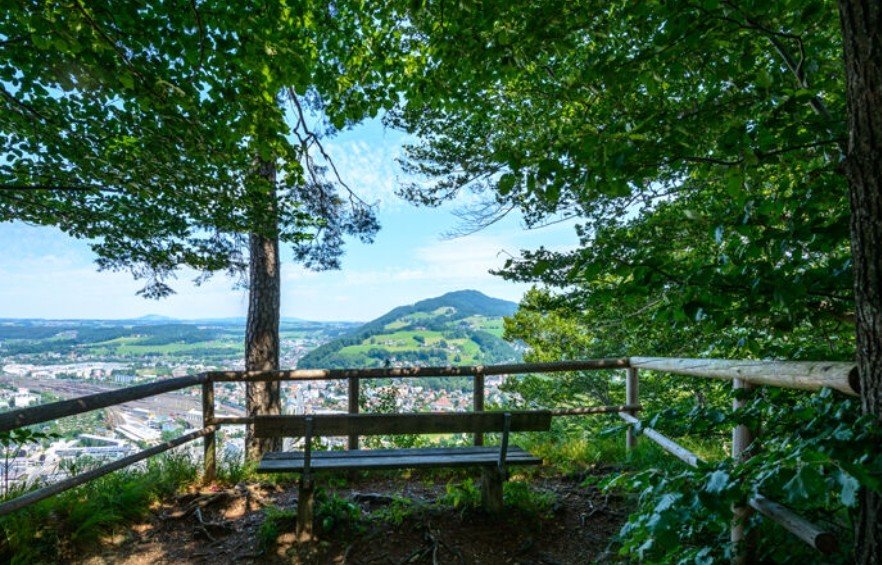
Every turn on Kapuzinerberg invites a new discovery. For many, the first sight is the old stone walls of the Capuchin Monastery, still home to monks today, with inner courtyards and peaceful gardens. Higher up, blossoming meadows and lookout points provide jaw-dropping views over Salzburg’s skyline, including Hohensalzburg Fortress and the tiled rooftops of Old Town. While some find their way quickly to the top, others linger in forest clearings or stop to read plaques about the hill’s history as a wartime defense and spiritual retreat. Few tourists seek out the mystical way-of-the-cross stations or stumble upon the rare alpine goats that graze the hillsides. Kapuzinerberg holds a blend of quiet treasures and proud landmarks for every visitor.

  • Capuchin Monastery (Kapuzinerkloster): A 16th-century sanctuary with original frescoes and tranquil gardens, sometimes open for quiet reflection or prayer.
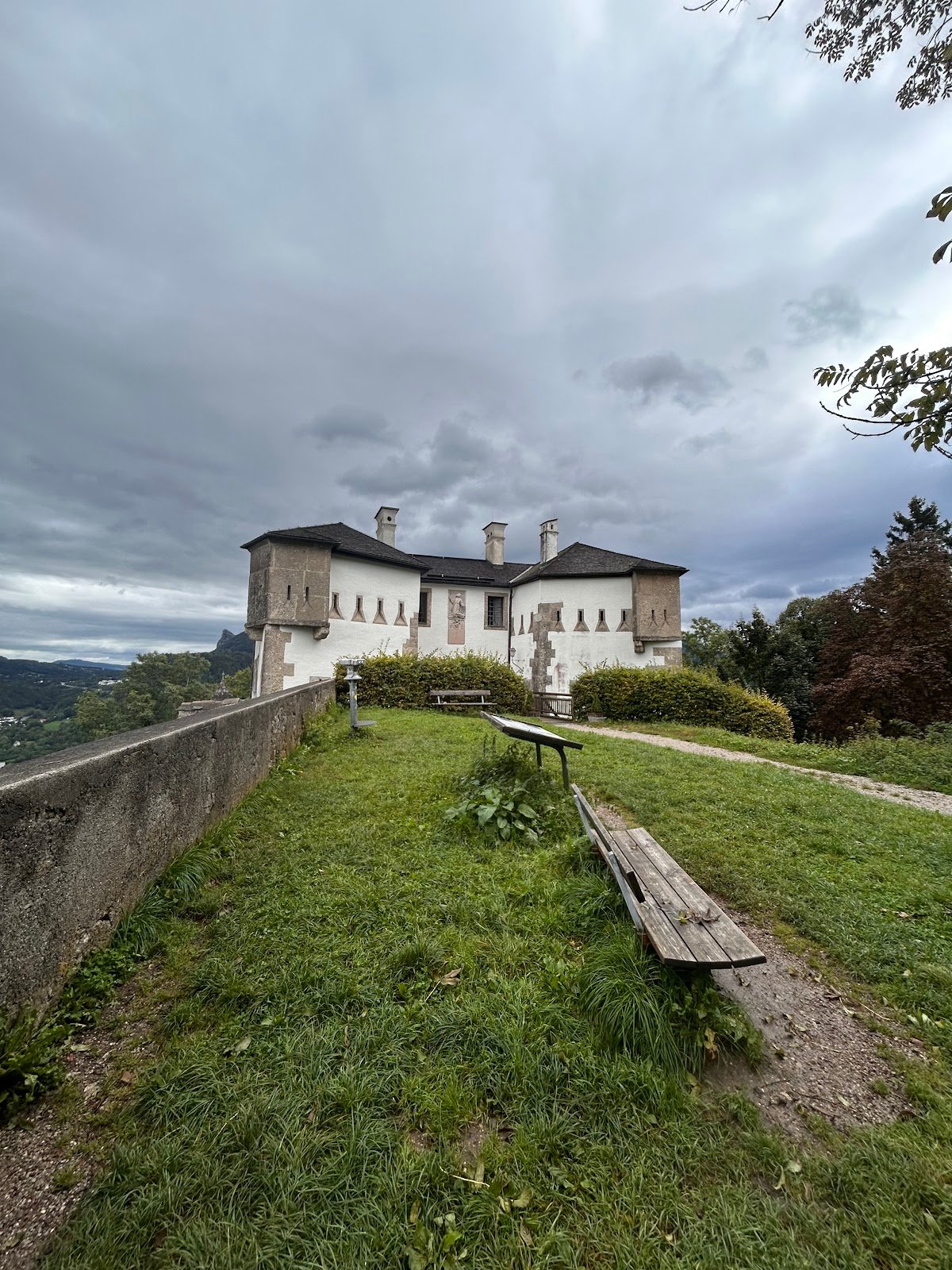
  • The Franziskischlössl: A former guard tower now housing a rustic inn with terrace seating, perfect for hearty Austrian snacks and wide-open views. Closed in winter, so check opening times.
  • Best photo spots: Seek out the panoramic platform just above the monastery, where Salzburg’s domes fill the frame, or the meadow near the summit for an Alpine backdrop.
  • Historic trails: Follow the old military paths circling the hill, dotted with lookout towers, wooden benches, and war memorials that echo its layered past.
  • Hidden gems: Spot grazing goats keeping the meadows trimmed or pause by the hermitage where monks still seek solitude.
  • Cultural highlights: Learn about Kapuzinerberg’s role as a shelter during WWII, and its ongoing importance to Salzburg’s religious life.

Tips for your visit

With a few insider tips, a climb on Kapuzinerberg becomes not just easier, but richer. The hill’s beauty changes with each season and hour, so time your visit for the best weather and light. Most areas lack cafes or food stands, so bringing water and snacks is wise. Good shoes matter, as roots and stones can trip even sturdy walkers. Most signs are in German, so a translation app helps with history plaques. Locals treat the space gently—quiet voices and respect for private monastery areas make a difference. While the woods feel safe during the day, paths get slippery after rain, and some are poorly lit at dusk.

  • Best times to avoid crowds: Visit early mornings or on drizzly days, when runners and dog walkers are fewest.
  • What to bring: Walking shoes with grip, a refillable water bottle, camera or phone, sun hat, and a picnic blanket if you plan to linger.
  • Local etiquette: Stay on marked trails, respect monastery silence, and keep litter packed out. Dogs should be leashed in wooded parts.
  • Safety and comfort tips: Check the weather before climbing. Avoid the steepest paths after rain, and stick to well-trodden routes as daylight fades.
Kapuzinerberg – Tickets, Hours & Visitor Guide