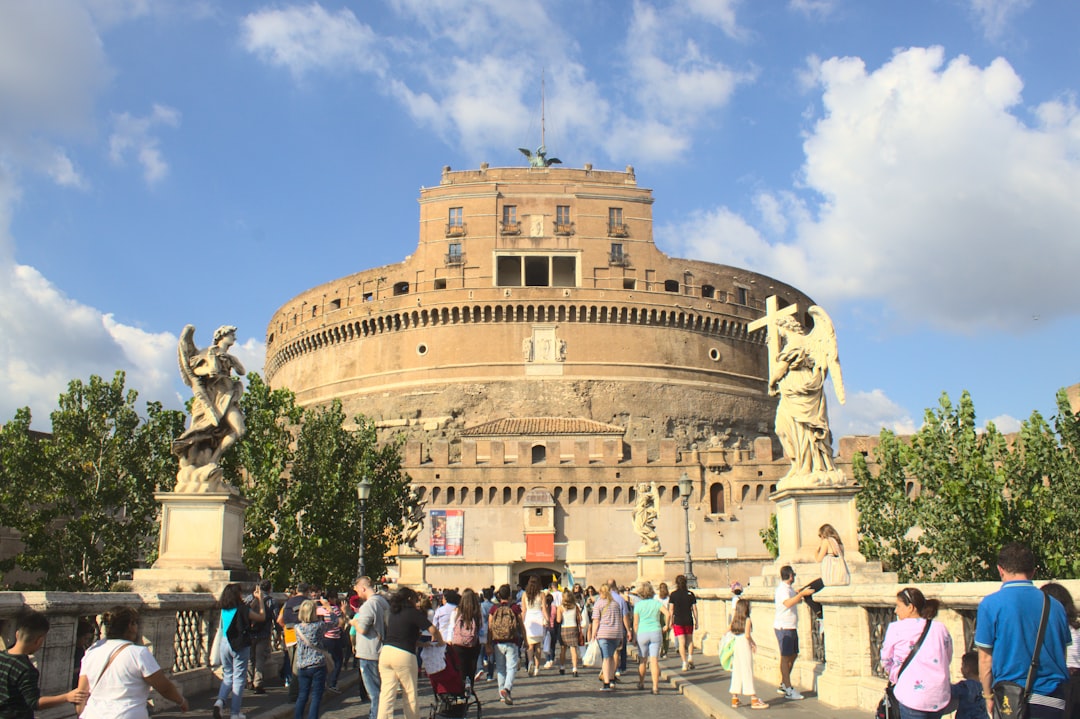
a large building with a statue in front of it with Castel Sant'Angelo in the background
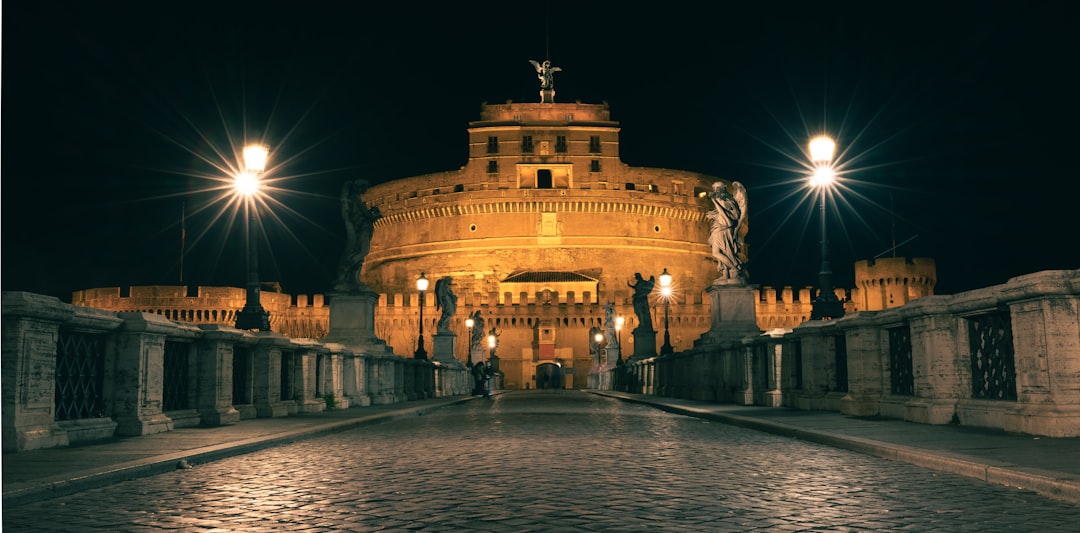
a building lit up at night with street lights
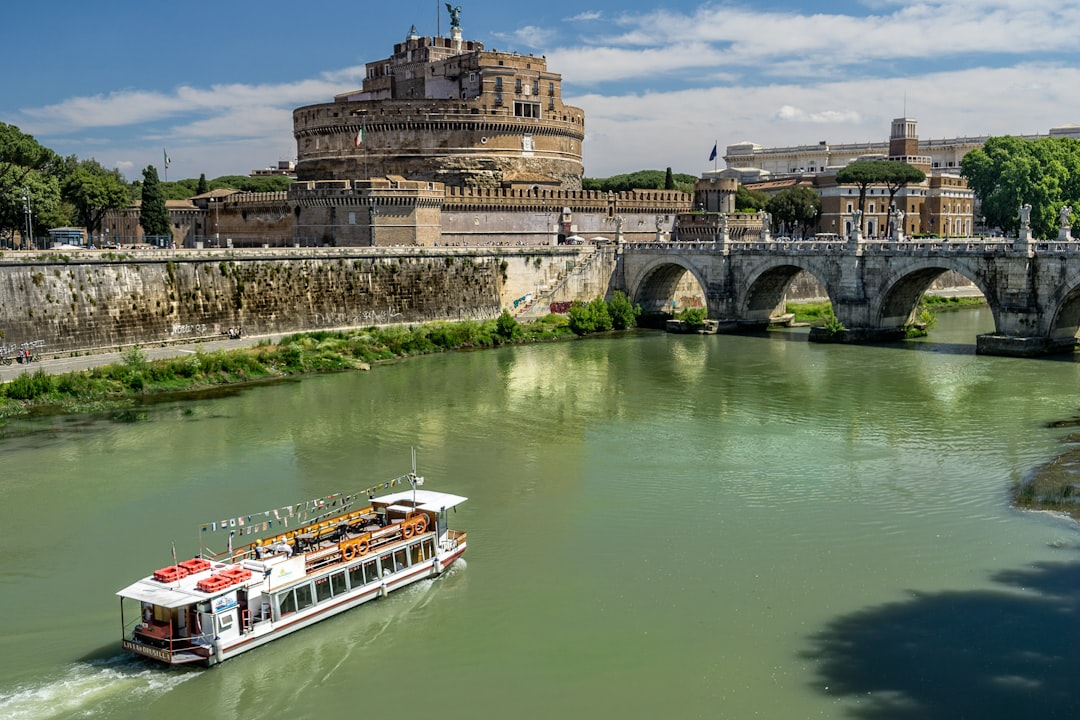
white ship on body of water near bridge during daytime

Castel Sant'Angelo

Rome, Italy
i

a large building with a statue in front of it with Castel Sant'Angelo in the background

Photo by Giulio Gabrieli

The sound of footsteps echoes on cool cobblestones. Ancient stones rise around winding paths, revealing a fortress that watched as centuries unfolded along the Tiber. Castel Sant'Angelo stands with a presence both grand and mysterious. From emperors to popes, and later artists and travelers, this monument’s walls have absorbed Rome’s secrets. Here, echoes of triumph and intrigue quietly linger beneath stained marble and bronze angels. More than a castle, Castel Sant'Angelo feels like a living chronicle—a place where history is both seen and felt at every turn.

Visiting Info

Currency
Entrance fee
Free
Hours
Opening hours
Monday: Closed
Tuesday: 9:00 AM – 7:30 PM
Wednesday: 9:00 AM – 7:30 PM
Thursday: 9:00 AM – 7:30 PM
Friday: 9:00 AM – 7:30 PM
Saturday: 9:00 AM – 7:30 PM
Sunday: 9:00 AM – 7:30 PM

Contact Information

Location
Address
Lungotevere Castello, 50, 00193 Roma RM, Italy

Planning your visit

To make the most of a trip to Castel Sant'Angelo, thoughtful planning goes a long way. The upper terrace offers sweeping city views, but some climbs can be challenging. Booking tickets online helps skip long lines, especially in high season. Early mornings or late afternoons bring lighter crowds, and the golden hues of sunset bring the walls and statues to life. The landmark is just across the river from Vatican City, easily reached by foot, metro, or bus, making it a perfect stop before or after visiting St. Peter’s.

  • Best time to visit: Spring and fall offer pleasant weather and manageable crowds; sunrise or late afternoon ensures cooler temperatures and softer light.
  • How to get there: Metro Line A (Lepanto or Ottaviano stops); city buses; easy walk from both Vatican City and Piazza Navona.
  • Accessibility: Main entrance has ramps; elevators cover some floors, but upper terraces involve stairs—families with strollers and those with limited mobility may find some routes challenging.
  • Average visit duration: Plan for 1.5 to 2 hours to explore both the museum and panoramic terraces at a relaxed pace.

Must see stuff

Castel Sant’Angelo holds many secrets within its distinct, circular outline. Once a mausoleum, later a fortress, then a papal refuge, each era left a layer to discover. Spiral ramps lead to grand papal apartments painted with vibrant Renaissance frescoes. Open courtyards, echoing the clang of armor, feel almost untouched. Sentries in stone mark battlements with sweeping views over ancient bridges and domes. Wandering hidden corridors or pausing in shadowed rooms reveals treasures—paintings, rare weapons, even tiny cells. The real magic, though, stirs at dusk, when Rome glows beneath the terrace’s bronze Angel, wings outstretched against the skyline.

  • Key sights or features: The Mausoleum of Hadrian; Hall of Urns; Papal apartments decorated with Renaissance art; Angel Terrace with its panoramic city views.
  • Unique experiences: Sunset from the Angel Terrace; themed evening tours with costumed guides; secret passage (Passetto di Borgo) glimpses linking the castle to Vatican City (sometimes open for tours).
  • Photo-worthy locations: Statue-lined Ponte Sant’Angelo (bridge), spiral inner ramps, rooftop terraces with St. Peter’s dome in the background.
  • Cultural or historical facts: The fortress sheltered popes during sieges; composers and artists, including Puccini, drew inspiration from its dramatic setting; centuries-old graffiti remains etched into prison walls.

Tips for your visit

Though Castel Sant’Angelo welcomes travelers from all corners, a little extra preparation makes each moment stand out. The stone steps and corridors can feel steep and uneven, so comfortable shoes are a must. Inside, lighting shifts from sunlit windows to dim passageways—camera settings matter. Bring a water bottle, especially in summer, and pause for a break at the terrace café. Rules are clear: no flash photography in frescoed rooms, and respect quiet in gallery spaces. Kids can imagine Roman soldiers at every turn, but strollers fit only on lower, wider levels. In busy months, crowds gather near the entrance or on the bridge, so patience helps. Security checks, though efficient, sometimes lead to lines, so light packing speeds things up. Despite a few stairs and waits, most visitors find the views and stories well worth the effort.

  • Best times to avoid crowds: Arrive before 10am or after 4pm.
  • What to bring: Water bottle, camera (with good low-light settings), sturdy shoes, light backpack.
  • Local etiquette or rules: No food or drink in galleries; speak quietly near chapels and exhibits; follow marked routes.
  • Safety or comfort advice: Hold hands on staircases with kids; keep bags zipped in crowded spaces; use handrails when climbing to rooftop.