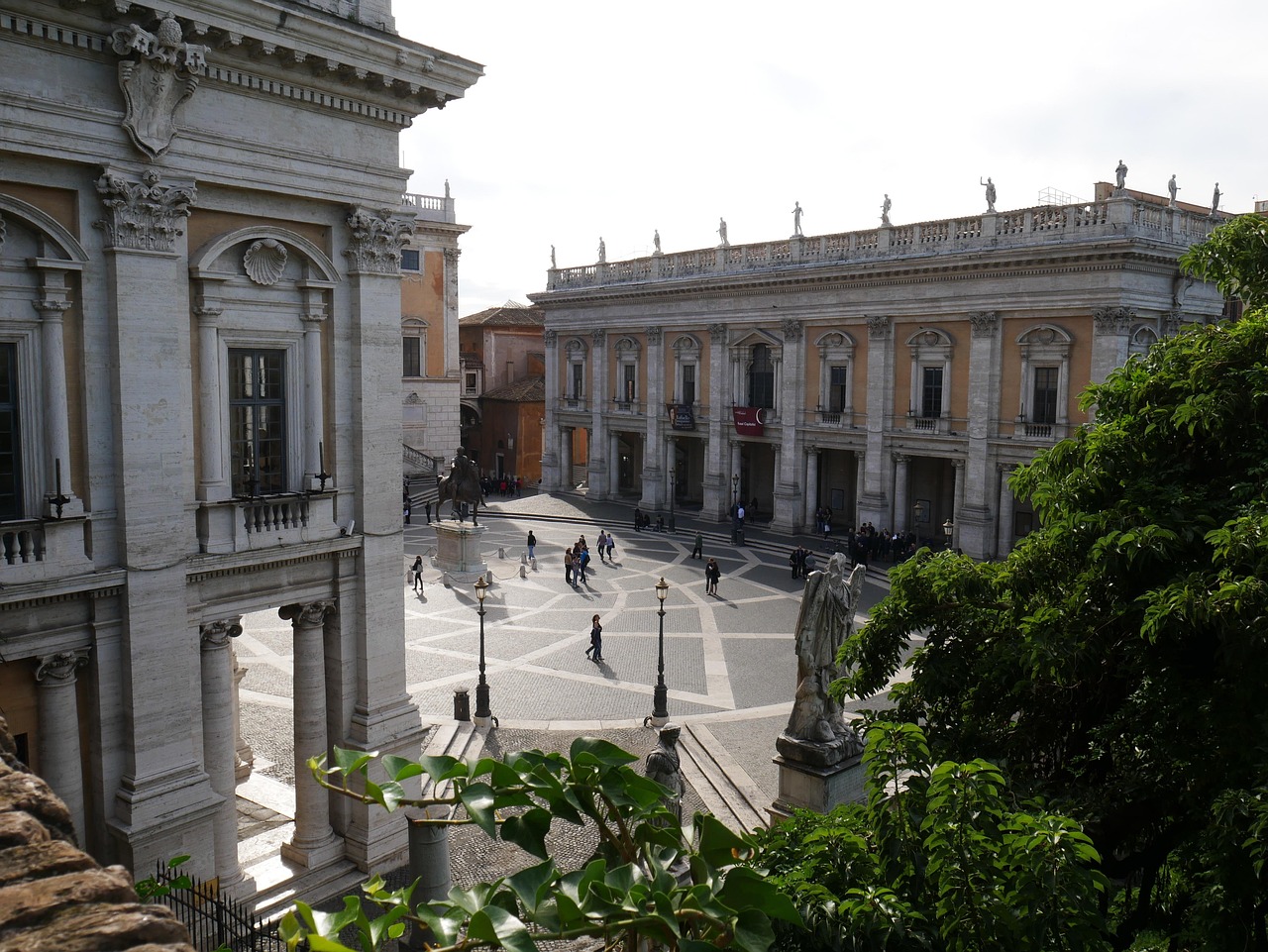
capitoline hill, square, rome, classic, mosaic, leave, view, museum, see through, touristy, national museum, michelangelo, marcus aurelius, capitoline hill, capitoline hill, capitoline hill, marcus aurelius, marcus aurelius, marcus aurelius, marcus aurelius, marcus aurelius

Capitoline Museums

Rome, Italy
i

capitoline hill, square, rome, classic, mosaic, leave, view, museum, see through, touristy, national museum, michelangelo, marcus aurelius, capitoline hill, capitoline hill, capitoline hill, marcus aurelius, marcus aurelius, marcus aurelius, marcus aurelius, marcus aurelius

Photo by AJEL

Echoes of ancient steps ring across stone courtyards, sunlight striking marble faces that have watched centuries unfold. The Capitoline Museums in Rome breathe history into the heart of the city, where classical statues meet Renaissance halls and city views stretch beyond every terrace. This is not just a museum visit, but an invitation to roam among treasures that shaped the story of Western art and power under a Roman sky.

Visiting Info

Currency
Entrance fee
16 EUR
Hours
Opening hours
Monday: 9:30 AM – 7:30 PM
Tuesday: 9:30 AM – 7:30 PM
Wednesday: 9:30 AM – 7:30 PM
Thursday: 9:30 AM – 7:30 PM
Friday: 9:30 AM – 7:30 PM
Saturday: 9:30 AM – 7:30 PM
Sunday: 9:30 AM – 7:30 PM

Contact Information

Location
Address
Piazza del Campidoglio, 1, 00186 Roma RM, Italy
Phone
Phone

Planning your visit

Getting the most from a trip to the Capitoline Museums means knowing when to walk its iconic squares and wander its elegant galleries. Busy seasons bring in crowds—especially on weekends—so timing can turn a visit from a squeeze into a wander. Centered on Piazza del Campidoglio, the museum is easy to reach from major Roman sights, yet the atmosphere often stays calmer than at blockbuster neighbors like the Colosseum. Buying tickets online helps sidestep the main lines. Families, seniors, and solo travelers find welcoming spaces here, though some steps and cobbles challenge those with limited mobility.

  • Best time to visit: Early mornings or late afternoons, weekdays from October through March see fewer crowds.
  • How to get there: Walk from Piazza Venezia (5 minutes), or take buses/trams to Piazza Venezia or Ara Coeli stops. Taxi or rideshare from Termini train station takes about 15 minutes.
  • Accessibility: Elevators and ramps cover main areas, but uneven floors and staircases remain in historic sections. Strollers and wheelchairs require some planning.
  • Average visit duration: 2 to 3 hours for main highlights; longer for art lovers or Roman history fans.

Must see stuff

Within the Capitoline Museums, even corridors feel lined with legends. Two main buildings—Palazzo dei Conservatori and Palazzo Nuovo—house masterpieces, while an underground gallery links their collections. The first view of the Piazza, Michelangelo’s striking square, offers a preview: geometry, harmony, and ancient stories at every step. A walk here blends grand sculptures and intimate moments—viewing an emperor’s bronze face, then stepping onto a terrace for breathtaking city views. Most visitors start with the landmark exhibits, but hidden gems in side rooms or quiet courtyards reward those who pause.

  • Key sights or features: The equestrian statue of Marcus Aurelius (the original sits inside), the regal She-Wolf (symbol of Rome), and the vast Capitoline Hill view from the Tabularium corridor.
  • Unique experiences: Joining a themed guided tour for insights; standing in the Hall of the Dying Gaul to feel the emotion carved in ancient stone; discovering Caravaggio’s early works.
  • Photo-worthy locations: Campidoglio piazza at sunset, panoramic views from the terrace above the Roman Forum, and ornate spiral staircases within the museum buildings.
  • Cultural or historical facts: Founded in 1471, these museums are the oldest public collection of art in the world. The Capitoline Hill once housed the main temple of Jupiter, the king of Roman gods.

Tips for your visit

Exploring the Capitoline Museums feels most rewarding with just a bit of forethought. Early arrivals or late afternoon entries avoid the biggest crowds, letting Roman history speak without the bustle. Visitors should wear comfortable shoes—mosaic floors and cobbled approaches don’t go easy on sore feet—while bottled water and a light snack go a long way, especially on hot days. Photos are encouraged in most galleries, but flash is not. Friendly staff keep the art safe, so following their directions ensures everyone’s visit stays smooth. While some parts of the museum get busy, side rooms and open-air terraces offer spots for a quiet breather.

  • Best times to avoid crowds: Arrive right as doors open or during the last two hours before closing.
  • What to bring: Small backpack with water, camera, and a guidebook or museum app; light sweater for chilly galleries.
  • Local etiquette or rules: Speak in low voices in galleries, avoid touching displays, and use benches to rest rather than art pedestals.
  • Safety or comfort advice: Secure bags and valuables, keep an eye on children (especially around stairs), and plan for steps even when using elevators.