Sambódromo Marquês de Sapucaí

Sambódromo Marquês de Sapucaí

i

Sambódromo Marquês de Sapucaí

Photo by Ralph Schmidt

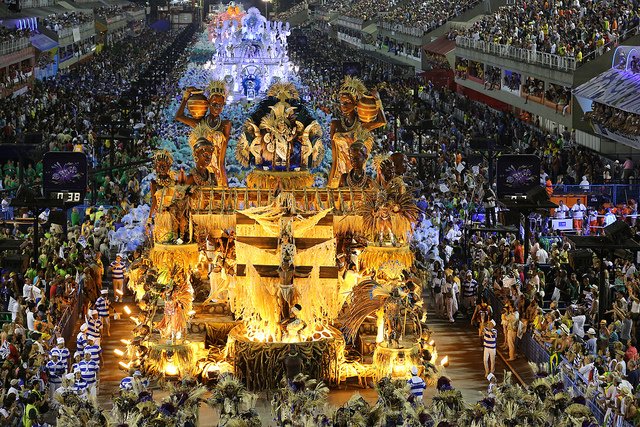
Among Brazil’s most electric spectacles, Sambódromo Marquês de Sapucaí stands as a dazzling shrine to samba, color, and jubilation. Designed by Oscar Niemeyer, this grand avenue pulses with rhythm every Carnival season while doubling as a cultural heartland year-round. The raw energy, intricate costumes, booming drums—every element here invites visitors to dive into Rio de Janeiro’s rich traditions and connect with local artistry on a scale found nowhere else.

Visiting Info

Currency
Entrance fee
Free

Contact Information

Location
Address
R. Marquês de Sapucaí - Santo Cristo, Rio de Janeiro - RJ, 20220-007, Brazil

Planning your visit

Preparation paves the way for a memorable Sambódromo experience. The most famous parades unfold during Carnival—usually February or March—when the streets erupt with sequins, music, and massive crowds. Those who crave the full spectacle should secure tickets well in advance. On non-Carnival days, guided tours offer a quieter, more detailed look at the arena’s artistry and architecture. Getting to Sambódromo proves straightforward by subway, bus, or taxi; plenty of signage and crowd management keep everyone moving. Accessibility suits most visitors, although peak events can feel overwhelming for young children or seniors. Expect energy, excitement, and a sense of shared anticipation—plus a pinch of carioca chaos.

  • Best time to visit: Carnival (February/March) for maximum excitement; weekdays for quieter tours
  • How to get there: Metro Line 1 to 'Praça Onze' station; city buses; taxis and app rides
  • Accessibility: Wheelchair ramps and accessible seating at parades; strollers welcome but large crowds may make maneuvering difficult
  • Average visit duration: 2-5 hours, depending on event or tour length

Must see stuff

Sambódromo comes alive with dazzling sights and unforgettable sounds. During Carnival, thousands from rival samba schools parade elaborate floats, feathered costumes, and live music along the 700-meter avenue. Every inch bursts with artistry: seating sections offer different angles—from street-level excitement to panoramic overhead views. The warmup area allows glimpses of dancers fine-tuning their performance, while nearby stands sell classic street food—pão de queijo, grilled meats, and icy Guaraná soda. Off-peak tours highlight the parade’s logistical magic and even sneak visitors backstage. Visitors find history in the site’s murals and markers, learning how samba became the heartbeat of Rio’s Afro-Brazilian culture.

  • Key sights or features: Main parade runway, giant spectator stands ("arquibancadas"), Oscar Niemeyer's iconic “open arch” structure, backstage preparation zones
  • Unique experiences: Joining a rehearsal or local samba night, touring costume workshops, chatting with artisans
  • Photo-worthy locations: Grandstand views at sunset, dancer warmup spaces, parade’s start line brimming with anticipation
  • Cultural or historical facts: Inaugurated in 1984, the Sambódromo was built specifically for Carnival; it remains a symbol of Rio’s devotion to samba, resilience, and community

Tips for your visit

A visit to Sambódromo shines brightest with a few tricks in mind. Early arrivals nab the best views and avoid long entry lines during major events. Sneakers or comfortable sandals help with both steps and hours of standing. Locals bring small cushions or rent padded seats to soften the sturdy concrete benches. Weather in Rio feels hot and humid, even at night; hydration rules the day. Attire blends comfort with flair—sparkling accessories fit in, but high heels rarely last through the samba. For Carnival, follow parade marshals' cues. Photography remains widely encouraged, though large cameras may draw extra security checks. Street foods tempt at every corner, but cash makes for smoother transactions. Most importantly—soaking in the sounds and spirit, with open eyes and ears.

  • Best times to avoid crowds: Arrive early or choose midweek, off-season tours
  • What to bring: Water bottle, sunscreen, camera or phone, light jacket for late-night chills, small cushion
  • Local etiquette or rules: Don’t block views with umbrellas or large flags; cheer respectfully for rival samba schools
  • Safety or comfort advice: Stay aware of personal belongings; use official entrances and follow ushers’ instructions
Sambódromo Marquês de Sapucaí – Tickets, Hours & Visitor Guide