Largo do Curvelo

Largo do Curvelo

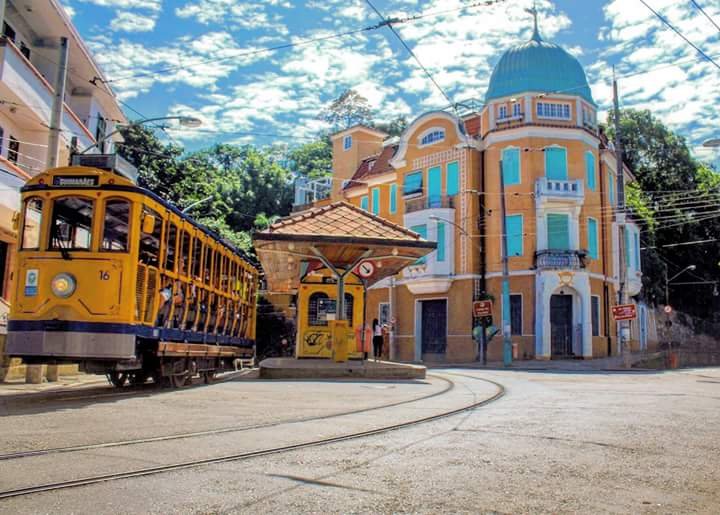
In one of Rio de Janeiro’s most charming corners, Largo do Curvelo welcomes travelers with old-world character, leafy calm, and curious surprises. Perched on the hillside of Santa Teresa, this small square pulses with local life, wrapped in cobblestone streets and flanked by ochre mansions, tenth-century tram lines, and bursts of artistic flair. Visitors who linger here discover a slower rhythm, lively neighbors, and views that frame both the everyday and the remarkable.

Visiting Info

Currency
Entrance fee
Free
Hours
Opening hours
Monday: Open 24 hours
Tuesday: Open 24 hours
Wednesday: Open 24 hours
Thursday: Open 24 hours
Friday: Open 24 hours
Saturday: Open 24 hours
Sunday: Open 24 hours

Contact Information

Location
Address
R. Joaquim Murtinho, 2012 - Santa Teresa, Rio de Janeiro - RJ, 20241-320, Brazil

Planning your visit

For those drawn to the hidden layers of Rio, finding Largo do Curvelo is half the adventure. Tucked between the Centro district and the hilltop refuge of Santa Teresa, the square is easiest to reach via the city’s nostalgic tram — the iconic "Bonde." Travelers should consider the time of year: while the area glows in the filtered sunlight of late afternoon, weekends often draw both cariocas and tourists, creating a gentle buzz. High summer days bring heat, but also vibrant seasonal color. Crowds are smaller on weekdays, yet always expect a laid-back mix of artists, children, and retirees filling the benches and cafés.

  • Best time to visit: Late afternoon or early evening, especially in the cooler months of May–September
  • How to get there: Take the Bonde tram from Centro (Cinelândia station), ride a bus up Rua Almirante Alexandrino, or take a taxi/Uber—parking is scarce
  • Accessibility: The square is flat, but side streets are steep; suitable for families and seniors with some support
  • Average visit duration: 1–2 hours, longer if exploring nearby streets or museums

Must see stuff

Unlike many tourist hubs, Largo do Curvelo’s main draws blend seamlessly with everyday neighborhood life. The yellow Bonde trams circle the square, screeching gently as they pause and disappear behind pastel houses—cameras rise at every passing carriage. Right beside the tram line, a classic staircase melts into a blanket of street art, murals flowing down balustrades and doorways. Traditional bars spill tables onto the street, while modest bakeries set out trays of fresh pão de queijo and local pastries. Yet, a few highlights deserve every visitor’s attention:

  • The Bonde tram platform: A working piece of history, perfect for photos and people-watching
  • Casa da Tia Ciata mural: A homage to samba legends, marking roots of Rio’s music history
  • Views toward Guanabara Bay: Peek through alleys for unexpected vistas—sunset light adds magic
  • Artisan stalls and weekend craft fairs: Unique jewelry, ceramics, and hand-painted tiles from Santa Teresa artists
  • Historic mansions: The aging, Azulejo-decorated homes transport visitors to old Rio

Tips for your visit

Santa Teresa’s relaxed pace meets a dose of practical reality at Largo do Curvelo. Streets can get muddy after summer rains, while cafes may close for a mid-afternoon break on weekdays. It’s best to carry cash, as smaller vendors sometimes lack card readers. Cameras find a home here, both for spontaneous street scenes and panoramic glimpses of downtown Rio. Most locals are welcoming, yet a smile and a respectful greeting (“bom dia!”) go a long way. Like many bohemian neighborhoods worldwide, some graffiti and mild wear are present, adding character more than discomfort.

  • Best times to avoid crowds: Early weekday mornings or late afternoons except during festivals
  • What to bring: Sturdy shoes, water, sunscreen, small bills for snacks or crafts, and a camera
  • Local etiquette: Greet shop owners and neighbors; respect quiet hours during siesta time
  • Safety advice: Stay aware on quiet side streets after dark; valuables are best kept secure