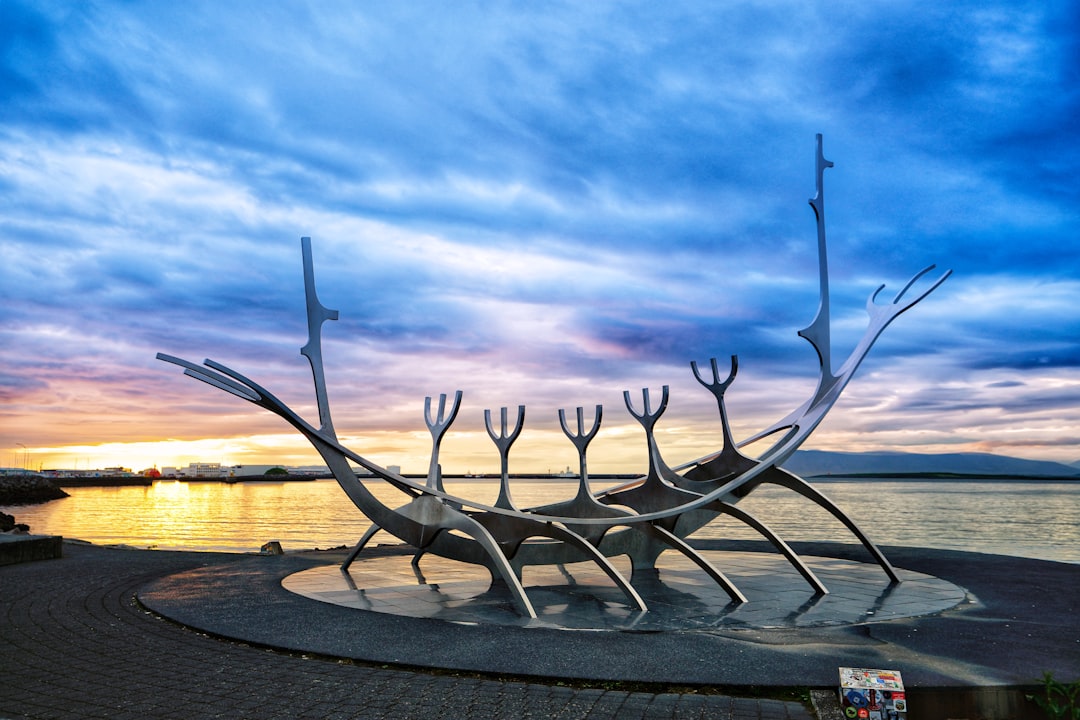
A large metal sculpture sitting next to a body of water
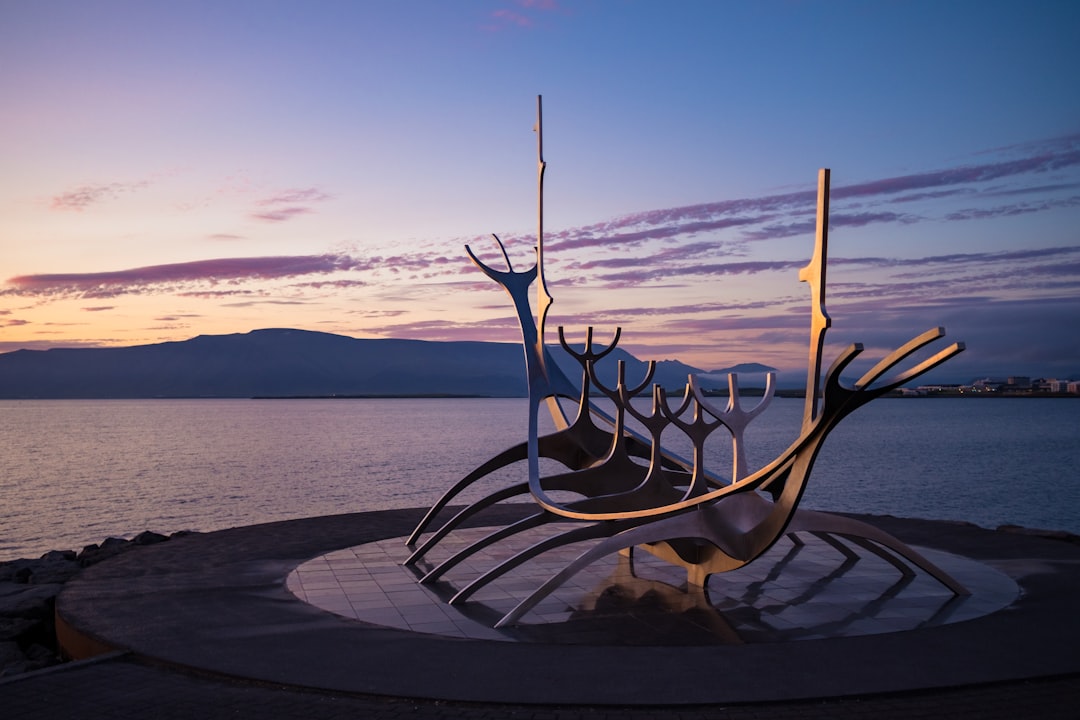
white wooden boat on sea during daytime
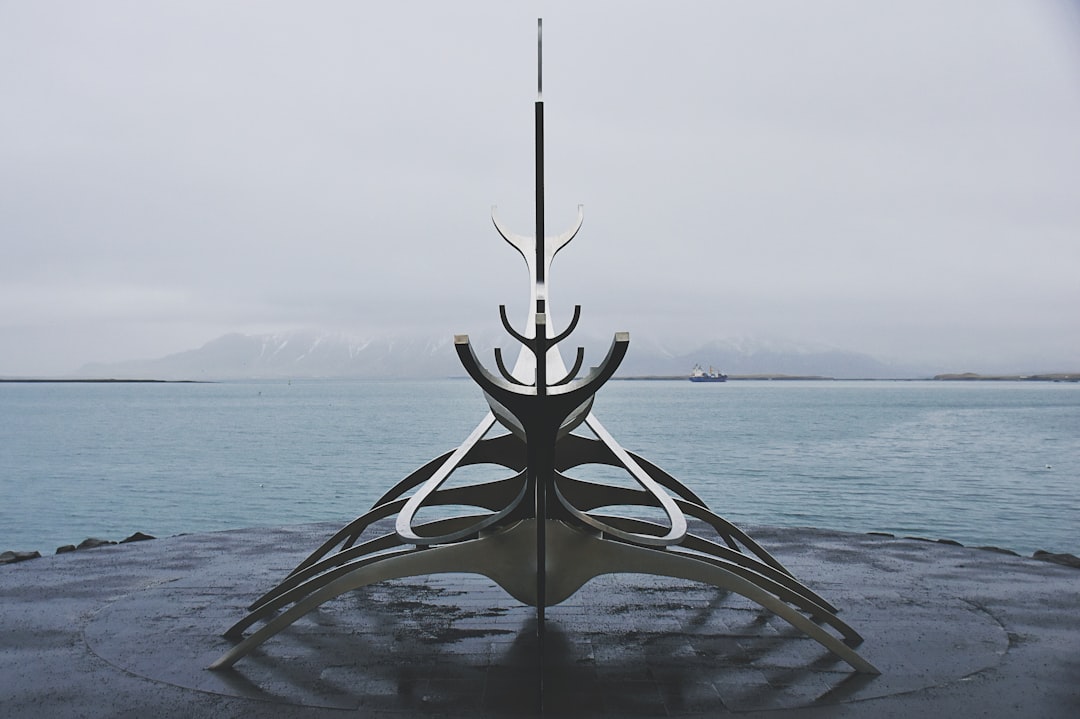
gray boat frame on dock near water

Sun Voyager

Reykjavik, Iceland
i

A large metal sculpture sitting next to a body of water

Photo by Jocelyn Allen

Sunlight glints off sculpted steel, wind tangles hair and jacket cords, and distant gulls call over gentle waves. Before anything else, the eyes are drawn to the luminous shape rising above Reykjavik’s waterfront—a gleaming dreamboat, promised to the sun and the sea. The Sun Voyager rises not as a vessel, but as an invitation: a promise of adventure and connection, echoing Iceland’s enduring spirit and the endless horizon that frames it.

Visiting Info

Currency
Entrance fee
Free
Hours
Opening hours
Monday: Open 24 hours
Tuesday: Open 24 hours
Wednesday: Open 24 hours
Thursday: Open 24 hours
Friday: Open 24 hours
Saturday: Open 24 hours
Sunday: Open 24 hours

Contact Information

Location
Address
Sæbraut, 101 Reykjavík, Iceland

Planning Your Visit

Sun Voyager, or Sólfar, stands along Reykjavik’s Sæbraut promenade, easy to reach and free for all to enjoy. With no ticket lines or locked gates, this famous sculpture welcomes visitors at any hour, though some moments offer extra magic. Planning a visit is simple, but a bit of timing can set the experience apart from an everyday stroll.

  • Best time to visit: Early morning or late evening in summer often brings golden or rosy sunlight, while winter afternoons may feature the northern lights reflected in polished metal. Mid-day crowds tend to be thicker, especially during cruise season.
  • How to get there: From central Reykjavik, walk ten to fifteen minutes along the harbor path from Harpa Concert Hall. City buses also service the area, with nearby stops along Lækjargata and Sæbraut.
  • Accessibility: The walkway is flat and paved, accessible for strollers and wheelchairs. Families find nearby benches and open space for kids.
  • Average visit duration: Most visitors spend 20–40 minutes enjoying the views, snapping photos, and lingering by the water. Longer stays are common in good weather.

Must See Stuff

At first glance, Sun Voyager might seem like a simple sculpture, but wander closer and layers of meaning—and good vantage points—reveal themselves. More than an artwork, this is a meeting place for locals, a sunrise meditation spot, a beacon for runners and dog-walkers, and a photo opportunity offering Reykjavik’s best light. Around the landmark, scenes shift with every step: the cold North Atlantic to one side, Mount Esja’s outline to the other, city life humming behind.

  • Key features: The aluminum sculpture itself stands ten meters long—angular “ribs” stretch skyward and outward, echoing a Viking ship and a dream of freedom. The polished metal reflects the wide-open sky overhead.
  • Unique experiences: Catch evening sun when the sculpture glows orange, or spot distant mountain silhouettes at dawn. In winter, lucky viewers see aurora borealis swirling above the ship’s prow.
  • Photo-worthy locations: Stand to the left of Sun Voyager for sprawling ocean and city views, or shoot from the path behind with Esja looming large in the background. Early morning mist and golden hour light bring extra glow.
  • Cultural facts: Created in 1990 by Jón Gunnar Árnason, Sun Voyager was built for Reykjavik’s 200th birthday and meant to symbolize hope, progress, and the journey toward the sun—not just a Viking heritage, but all dreams of discovery.

Tips for Your Visit

Reykjavik’s charm—clean air, changing weather, warm neighborhoods—comes alive at Sun Voyager, but a smooth visit takes more than luck. The North Atlantic wind can bite even on sunny days, and crowds sometimes cluster for that perfect shot. Prepared visitors enjoy more: quieter moments, better photos, and a sense of local rhythm.

  • Best times to avoid crowds: Arrive before 9 a.m. or after dusk, especially in summer. Cruise ship mornings fill the promenade quickly.
  • What to bring: Pack a windbreaker, gloves, and a camera. Plan for walking shoes, since the seaside path invites longer strolls.
  • Local etiquette: Give space to others taking photos. Locals often use the benches and path for daily routines—be courteous if photographing people.
  • Safety and comfort: In winter, icy pavement can be slippery. Stay on designated paths and avoid climbing the sculpture, which is not permitted and watched by city staff.