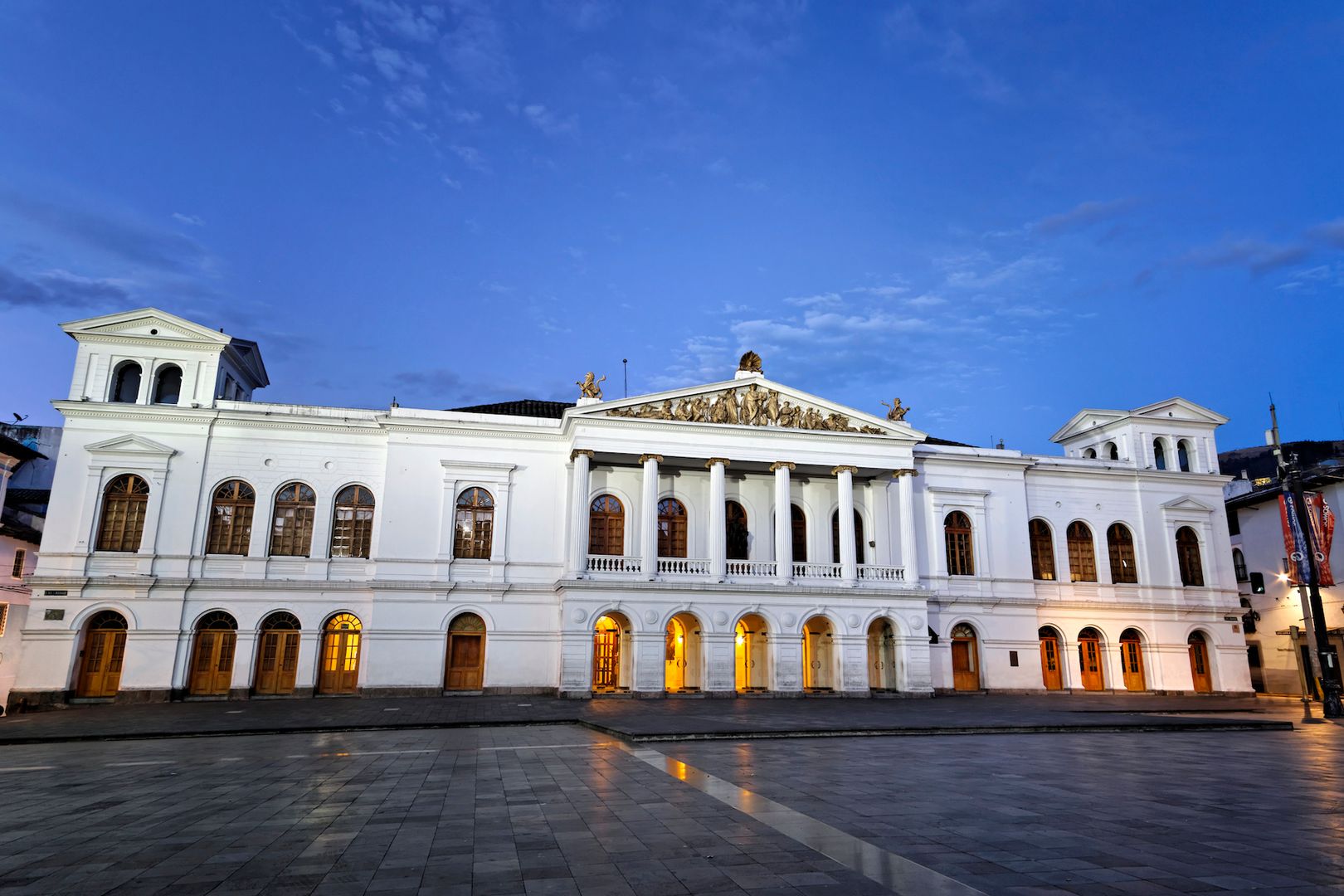
Beautiful view of Teatro Sucre

Teatro Sucre

Quito, Ecuador
i

Beautiful view of Teatro Sucre

Rising over the historic district's cobblestone bustle, Teatro Sucre endures as a beating heart for culture and celebration. From classic opera to local folk nights, the theater blends European elegance with Ecuadorian soul. Visitors arrive for the architecture, yet linger for the living culture echoing through its halls. Under gold leaf and carved balconies, voices ring out, and old stories find new life. For travelers searching for an authentic window into Ecuador’s creative spirit, few places offer such a vivid, welcoming showcase.

Visiting Info

Currency
Entrance fee
7 USD

Contact Information

Location
Address
C. Guayaquil &, Quito 170401, Ecuador

Planning your visit

Planning a trip to Teatro Sucre balances anticipation with a bit of strategy. Shows run year-round, but the busy festival seasons in August and December bring bigger crowds and grander spectacles. Daytime exterior visits allow admiration of the neoclassical facade and lively plaza bustle, but evenings unlock the theater’s true warmth. Tickets for popular events can sell out, but relaxed tours are available on many mornings. The surrounding Centro Histórico keeps options open, whether grabbing an espresso before curtain time or drifting through nearby museums after a matinee.

  • Best time to visit: Fall and spring evenings offer milder weather and vibrant event schedules.
  • How to get there: Taxis, Uber, or a ten-minute walk from Plaza Grande; public buses stop nearby along García Moreno street.
  • Accessibility: Entry ramps and accessible seating make the theater senior- and family-friendly, though old city sidewalks can be uneven.
  • Average visit duration: Guided tours last about 45 minutes; performances run from one to three hours.

Must see stuff

Inside Teatro Sucre, every detail draws the eyes upward and outward. The main hall, glittering with chandeliers and ornate plaster, feels timeless. Yet, visitors eager to explore deeper discover balconies filled with students and locals, as well as hidden foyers where murals recall Quito’s artistic history. Sound checks and rehearsals sometimes offer an unexpected peek into the city’s talent. For the curious, staff guides share stories about visiting divas, secret passageways, and the 19th-century foundation stones beneath visitors’ feet.

  • Main auditorium: A golden horseshoe layout, delicate ceiling paintings, and legendary acoustics perfect for both symphonies and local storytellers.
  • Balconies and boxes: Great for panoramic photos and people-watching among elegantly dressed crowds.
  • Guided backstage tours: Uncover bits of theater lore, see costume rooms, and brush up against ongoing rehearsals.
  • Lobby murals: Bright frescoes capturing episodes of Ecuador’s independence and cultural life.
  • Evening performances: From experimental plays to open-mic music nights, these attract locals and travelers alike, offering rich cultural immersion.

Tips for your visit

A smooth Teatro Sucre experience starts with a little preparation. Arriving fifteen minutes ahead secures good seating and a relaxed entry. The area remains safe and well-lit at night, but sticking to main streets increases peace of mind after late shows. Dress leans toward smart-casual, especially during weekend events, so comfortable shoes that also look sharp are best. Photography is welcomed in public spaces but often restricted during performances, so check with ushers to avoid friendly warnings. Refreshments from the surrounding plazas rather than the theater café can help stretch the budget—plus, local coffee and pastries rarely disappoint.

  • Best times to avoid crowds: Weekday mornings for tours; Thursday evenings for less-prominent performances.
  • What to bring: Camera, water bottle, light jacket for evening chills, and a small notebook for jotting memories.
  • Local etiquette: Greet staff with a friendly “buenas tardes,” refrain from loud conversation during acts, and applaud generously.
  • Safety or comfort advice: Watch for historic cobblestone on surrounding streets, keep bags zipped, and use light layers to adjust for the auditorium’s cool air.