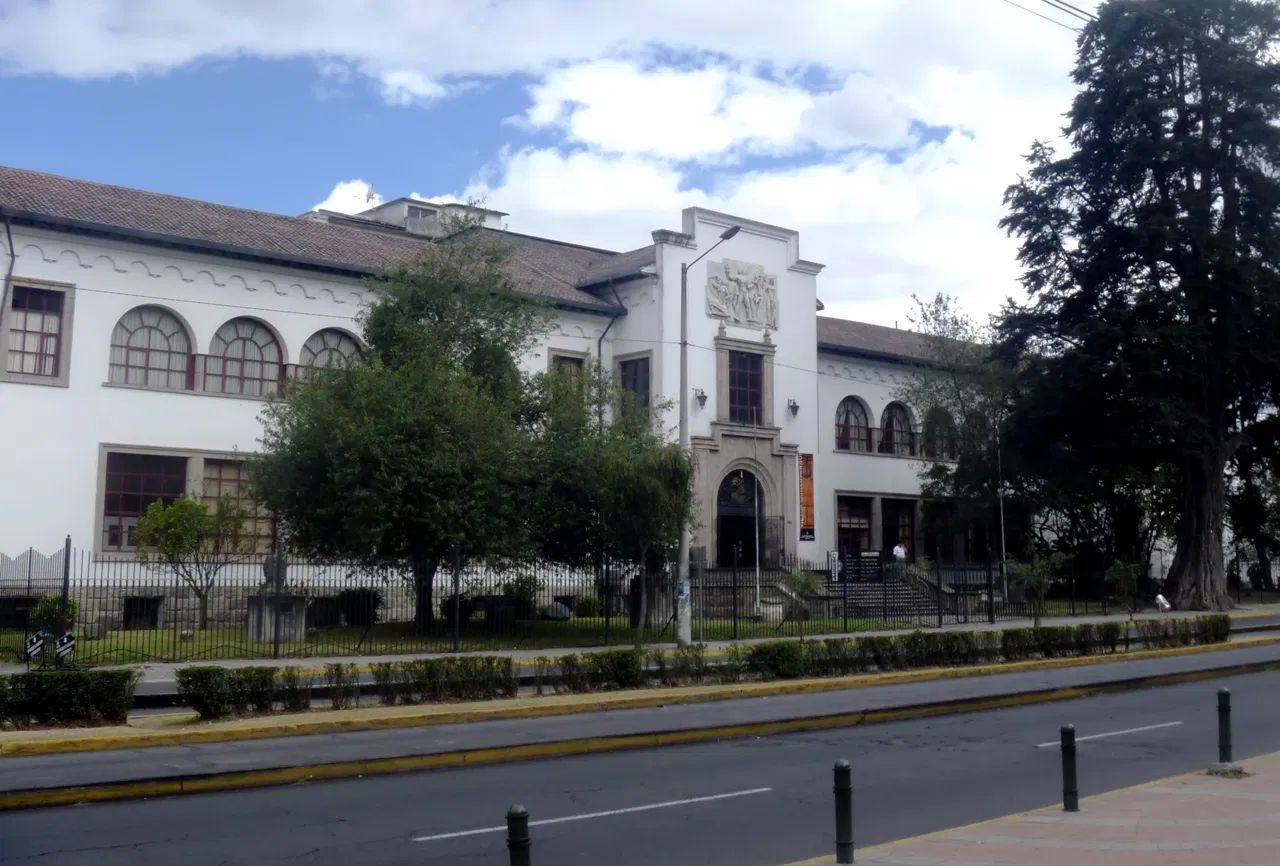
Beautiful view of House of Ecuadorian Culture

House of Ecuadorian Culture

Quito, Ecuador
i

Beautiful view of House of Ecuadorian Culture

The House of Ecuadorian Culture stands as a beacon for the nation’s rich artistic life, bridging past and present. Here, classic architecture stretches across a leafy campus dotted with sculpture gardens and amphitheaters, where ordinary days turn vibrant with exhibitions, concerts, and workshops. For travelers who value immersion over mere sightseeing, the House promises a trip into the creative heart of Ecuador—layered, living, and always surprising.

Visiting Info

Currency
Entrance fee
Free
Hours
Opening hours
Monday: Closed
Tuesday: 8:30 AM – 5:00 PM
Wednesday: 8:30 AM – 5:00 PM
Thursday: 8:30 AM – 5:00 PM
Friday: 8:30 AM – 5:00 PM
Saturday: 8:30 PM – 12:00 AM
Sunday: Open 24 hours

Contact Information

Location
Address
6 de Diciembre, y, Quito, Ecuador

Planning Your Visit

A well-planned trip to the House of Ecuadorian Culture can transform even a short visit into a memorable cultural dive. Most events and exhibits welcome walk-ins, but some headline concerts or major openings draw large crowds, especially on weekends. While fans of modern art, families with kids, and history buffs all find experiences worth their time, knowing when to visit—and how to get there—makes a real difference. Tickets to standard museums cost little, and allow access to most galleries, while special performances may require separate tickets.

  • Best time to visit: Weekday mornings bring fewer crowds; June to September hosts many festivals and outdoor events.
  • How to get there: Taxi and rideshare apps reliably reach the site, buses along Avenida Patria stop by the main entrance, and secure parking sits next door.
  • Accessibility: Ramps and elevators make most areas accessible; shaded gardens offer breaks for seniors and young children.
  • Average visit duration: Two to three hours covers museum highlights, but events and workshops can fill a full day.

Must See Stuff

Inside the House of Ecuadorian Culture, visitors find far more than halls of paintings. Buildings frame a courtyard bustling with student musicians and weekend food stalls. Galleries shift with new displays of sculpture, traditional costumes, or rare pre-Columbian artifacts. The center’s sprawling site offers distinct corners to explore, so even casual museum-goers find activities that suit their pace. Some features earn their fame from generations of locals, while others remain hidden gems waiting for discovery.

  • Key sights and features: National Museum of Ecuador (Museo Nacional del Ecuador), the outdoor sculpture park, and the open-air amphitheater where Andean folk music often echoes.
  • Unique experiences: Guided tours revealing stories behind Ecuador’s most important murals, drop-in printmaking workshops, and pop-up poetry readings in the garden.
  • Photo-worthy locations: The grand spiral staircase inside the main pavilion, patios decorated with mosaics, and leafy corners beneath massive bronze statues.
  • Cultural or historical facts: Founded in 1944, the House played a key role in preserving indigenous art, hosting the country’s literary greats, and even hiding dissident tapestries during political unrest.

Tips for Your Visit

A few practical moves can make time at the House both smoother and richer. While staff remain friendly, signage sometimes lacks English translations, so consider downloading a translation app. Street food vendors nearby tempt with empanadas and fresh juice, but museum cafés offer quieter seating and local desserts like quimbolitos. During festivals or art fairs, the grounds fill quickly—arriving early secures better views and thinner crowds. Most events are family-friendly, though noise can spike during weekend concerts. Watch for pickpocketing in busier corners, and stay hydrated at Quito’s high altitude.

  • Best times to avoid crowds: Arrive before 11 a.m. or visit midweek for peaceful browsing.
  • What to bring: Water bottle, camera or smartphone, a light jacket, and comfortable shoes for walking between galleries.
  • Local etiquette: Respect velvet ropes and do not touch artwork; applause at live performances is not just polite but expected.
  • Safety and comfort: Sun hats help in the gardens, and using lockers lightens loads for gallery visits.