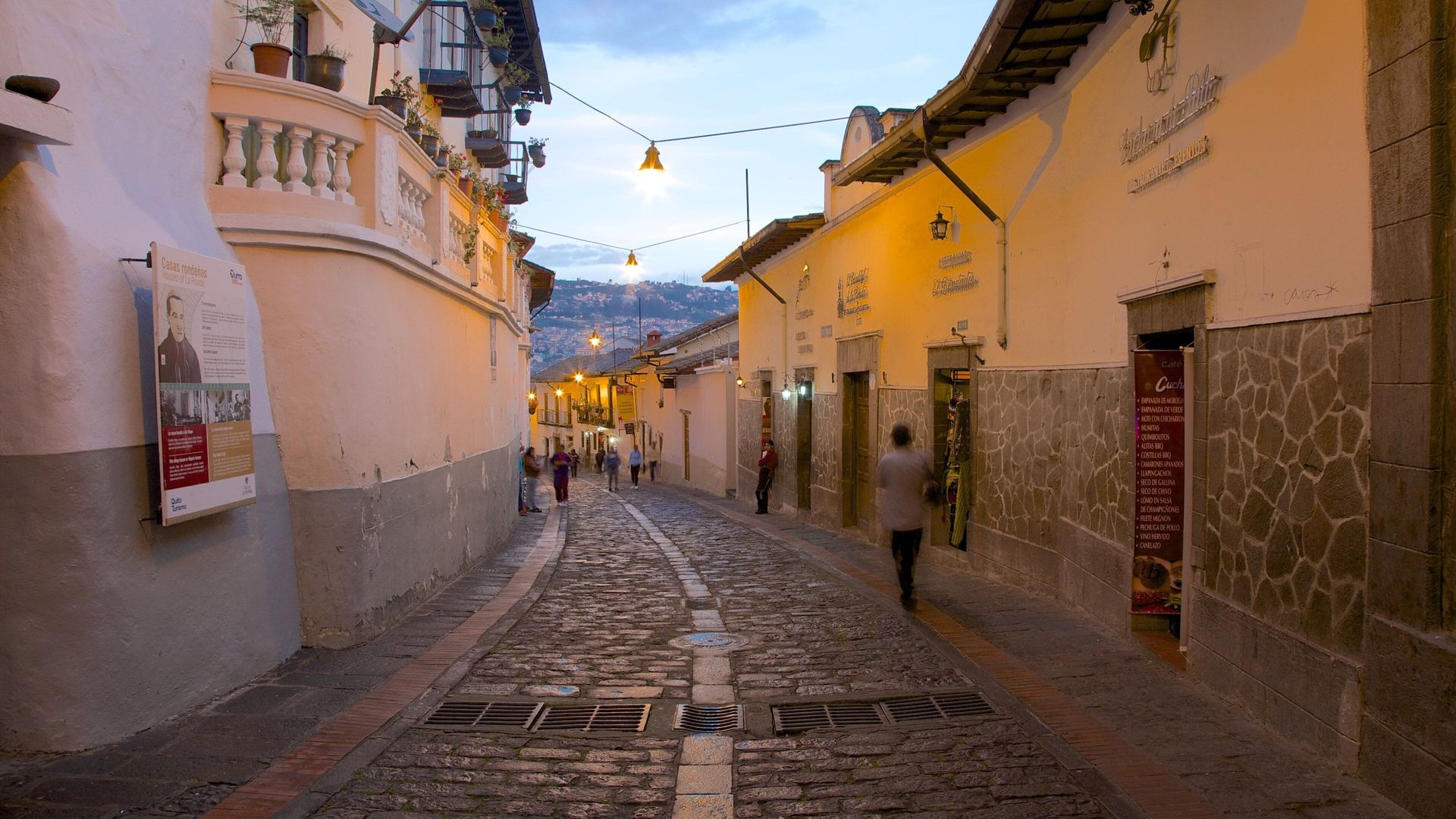
Beautiful view of Calle La Ronda

Calle La Ronda

Quito, Ecuador
i

Beautiful view of Calle La Ronda

Stepping onto Calle La Ronda means entering one of the most atmospheric streets in Quito’s historic heart. This winding lane, left over from the city’s earliest days, fits together cobblestones, pastel facades, and lanterns, wrapping them all into a warm, humming slice of Ecuadorian culture. Day or night, Calle La Ronda pulses with art, history, and music. It’s where centuries-old buildings offer more than just beauty—they’re packed with workshops, family-run eateries, and the echoes of local poets and revolutionaries. For travelers wanting a true taste of the city’s spirit, a stroll along La Ronda provides the full flavor of everyday life and timeworn tradition, with something new to discover around every old corner.

Visiting Info

Currency
Entrance fee
Free

Contact Information

Location
Address
C. de la Rda., 170130 Quito, Ecuador

Planning your visit

Calle La Ronda stretches through the historical center of Quito, drawing visitors into its cozy blend of old-world charm and lively street life. When planning a trip, choosing the right time matters. Daytime visits suit families and history buffs interested in museums and workshops, while evenings attract those looking for music, street food, and locals unwinding after work. The street is pedestrian-only, but nearby taxi drop-off points or city buses make access simple, though parking remains a challenge. Expect crowds on Fridays and weekends; weekdays move at a softer pace. Most shops require no tickets, but some events or museums may charge a small entry fee. The cobblestones can pose challenges for strollers or those with mobility issues, but many establishments help with ramps or extra assistance.

  • Best time to visit: Early evening (5–8 PM) for music and energy; mornings for quieter explorations; avoid rainy afternoons during March–May
  • How to get there: Taxi or ride-share to "Calle Morales" entrance, or take the city bus to Plaza Santo Domingo
  • Accessibility: Pedestrian-only; be cautious with uneven cobblestones, strollers, or wheelchairs; families and seniors welcome but may need support
  • Average visit duration: 1–2 hours for a walk; longer if attending events or dining leisurely

Must see stuff

Despite its modest size, Calle La Ronda packs the essentials of Quito’s cultural tapestry into a single block. Restored colonial houses hide candle workshops, ice cream parlors, galleries, and local chocolatiers. Street musicians often gather at dusk, blending traditional tunes with the chatter of visitors. Every door under a hand-painted sign promises another small discovery: a wall of antique photos, a café with a 100-year-old recipe, or a courtyard echoing with poetry and Andean rhythms. Photographers will find the subdued yellow lights perfect for moody, evocative shots, while history fans spot the plaques marking former homes of artists and revolutionaries.

  • Key sights: Colonial architecture, historic balconies, Casa 707 cultural center, and the Museo de Carmen Alto at the southern end
  • Unique experiences: Join a chocolate-making demo at Chez Tiff, sample traditional canelazo (a spiced warm drink) in a rooftop cafe, try the sweet treats at Heladería Dulce Placer
  • Photo-worthy spots: Look for festooned balconies, the arched stone bridge at the southern end, and mural-plastered doorways
  • Cultural or historical insight: Calle La Ronda once sheltered writers and rebels; today its revival stands as a symbol of Old Town Quito’s enduring creativity

Tips for your visit

Exploring Calle La Ronda rewards those who linger in small shops or chat with craftspeople inside their workshops. Evenings see busier sidewalks, but street entertainers liven the atmosphere with music and juggling. Dress in layers; temperatures drop quickly after sundown. While the street is well-patrolled and lively, watch for slick stones after rain. For the fullest taste, try sampling a few local snacks rather than settling for a big meal at one spot. Respectful curiosity wins smiles—greet shop owners and ask permission before snapping photos inside businesses.

  • Best times to avoid crowds: Weekday mornings or early afternoons; Friday and Saturday evenings see the most visitors
  • What to bring: Sturdy walking shoes, a light jacket, camera or phone, and a small umbrella in wet months
  • Etiquette: Greet staff when entering shops, speak softly in small workshops, and queue politely for stalls or events
  • Safety: Keep valuables close in busy areas; mind the cobblestones and look out for occasional street performers moving through the crowd