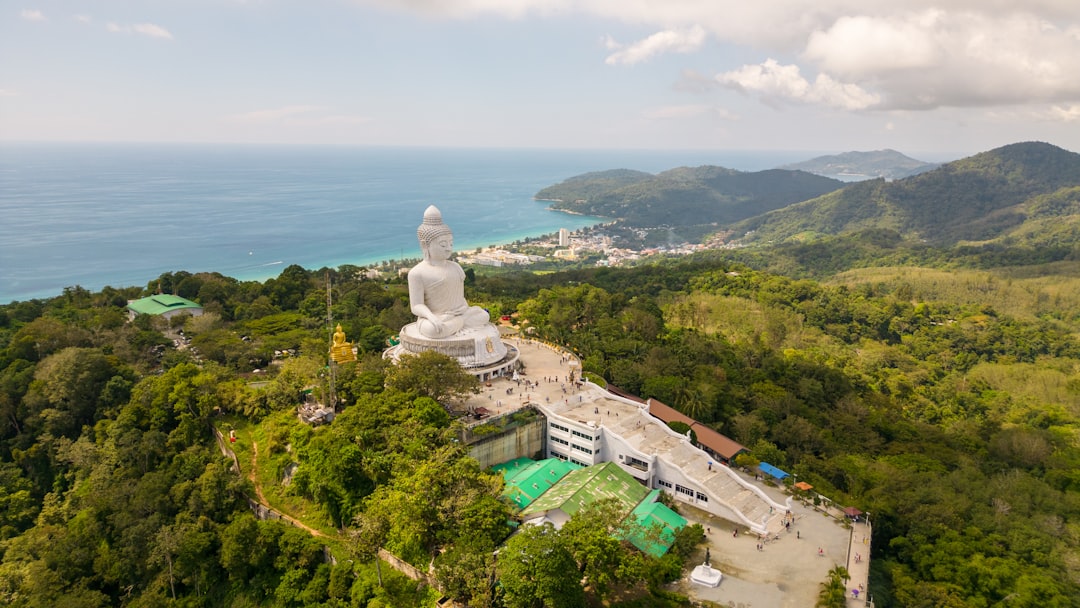
Large white buddha statue overlooking tropical island landscape
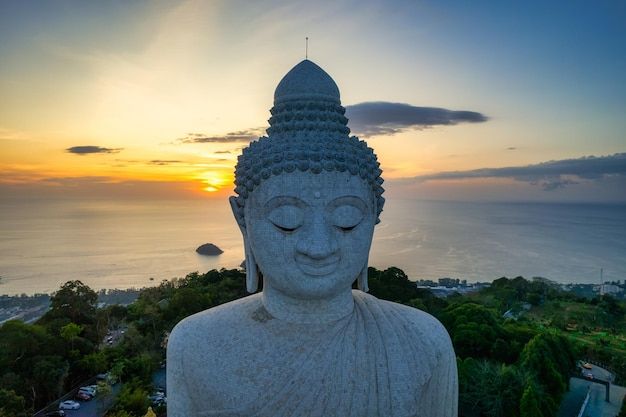
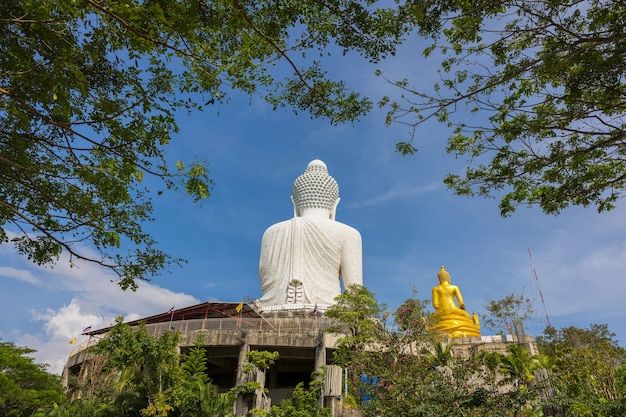
Famous white Big Buddha statue on the top of the hill in Phuket
Big Buddha white statue. Big Buddha Phuket is the one of landmarks on Phuket Thailand.

The Big Buddha

Phuket, Thailand
i

Large white buddha statue overlooking tropical island landscape

Photo by Aleksandr Galichkin

High above southern Phuket, a white marble figure rises where sky and jungle meet. The Big Buddha stands as a quiet guardian, an essential part of Thailand’s southern hills. With sweeping island views and the gentle sound of bells in the wind, a trip here means more than just sightseeing—it creates a connection between serenity and spectacular scenery.

Visiting Info

Currency
Entrance fee
Free

Contact Information

Location
Address
Karon, Mueang Phuket District, Phuket 83100, Thailand

Planning your visit

Organizing a trip to the Big Buddha is straightforward with some advance planning. Unlike many crowded landmarks, this spot rewards early risers with peaceful mornings and clear air. Getting there can be easy for most travelers, as the hill is accessible by road, and the site remains visitor-friendly with paths and shaded rest stops. No entry ticket is required, but donations support upkeep. Sturdy shoes help visitors handle the steep final walk, and families or seniors will appreciate the concrete paths and benches along the route. With these basics in mind, the Big Buddha welcomes visitors of all ages and backgrounds.

  • Best time to visit: Early morning for quiet and cool temperatures, or late afternoon for golden hour light. November through February offers the mildest weather.
  • How to get there: Reach the site by taxi, rideshare, or scooter. Organized tours run from Patong, Kata, and Karon Beach, while adventurous travelers can hike up from Karon for a scenic approach.
  • Accessibility: Paved paths with gradual inclines make the site suitable for families and older visitors, but there are some steps near the main platform. Modest attire is required.
  • Average visit duration: Plan to spend 1–2 hours exploring the statue, gardens, and viewpoint areas.

Must see stuff

Visiting the Big Buddha, travelers often gasp at the sheer scale of its glossy white form. Standing 45 meters high, its gleaming surface dominates the Nakkerd Hill ridgeline. Yet the landmark’s magic extends far beyond its size. Buddhist chants from the nearby temple echo through the complex, and the wind carries the sound of fluttering prayer flags. Below, little details reward those who take time to explore: mosaic inlays reflect the sunlight, and panoramic terraces offer glimpses of forest and sea. Local stalls nearby sell coconut ice cream and mango sticky rice for those seeking a taste of Phuket’s flavors. The site feels sacred, yet alive, welcoming both worship and wonder.

  • The Main Buddha Statue: Phuket’s iconic image, draped in Burmese white jade marble.
  • 360-degree Viewpoint: Sweeping views of Kata, Karon, Chalong Bay, and even distant Phang Nga Bay islands.
  • Local Temple (Wat Kitthi Sankaram): Home to friendly monks and a small museum displaying the area’s history and Buddha-building process.
  • Bell Platforms: Ringing the prayer bells—said to bring luck and positive energy—is a visitor favorite.
  • Photo Spots: Mosaic steps, lotus fountains, and hand-carved plaques with devotees’ messages provide unique backdrops.
  • Cultural Touches: Look for regular blessing ceremonies performed by resident monks and explanatory signs about Buddhist traditions.

Tips for your visit

A little preparation goes a long way when visiting the Big Buddha. The hillside can get hot by midday, so bringing water and sun protection keeps things comfortable. Shoes must be removed before entering the platform, and respectful clothing—covering shoulders and knees—is required. Photography is welcomed, though worshippers have priority inside the inner sanctum. Compared to Phuket’s busier beaches and markets, the air here feels peaceful, punctuated only by birdsong and the occasional tour group. Not every path is shaded, so light layers and hats make a difference. Small on-site stalls offer snacks and drinks, but selection is limited, and cash is preferred. Remember, while sometimes crowded by midday, quiet moments come to those who plan ahead.

  • Best times to avoid crowds: Arrive at sunrise or after 5 p.m. for tranquil visits and cooler temperatures.
  • What to bring: Water bottle, sunblock, hat, camera, respectful clothing, and cash for donations or snacks.
  • Local etiquette: Remove shoes before entering sacred spaces and keep voices low near monks and worshippers.
  • Comfort & safety: Wear sturdy shoes for walking uphill and keep phones or cameras secured against wind and sudden showers.
The Big Buddha – Tickets, Hours & Visitor Guide