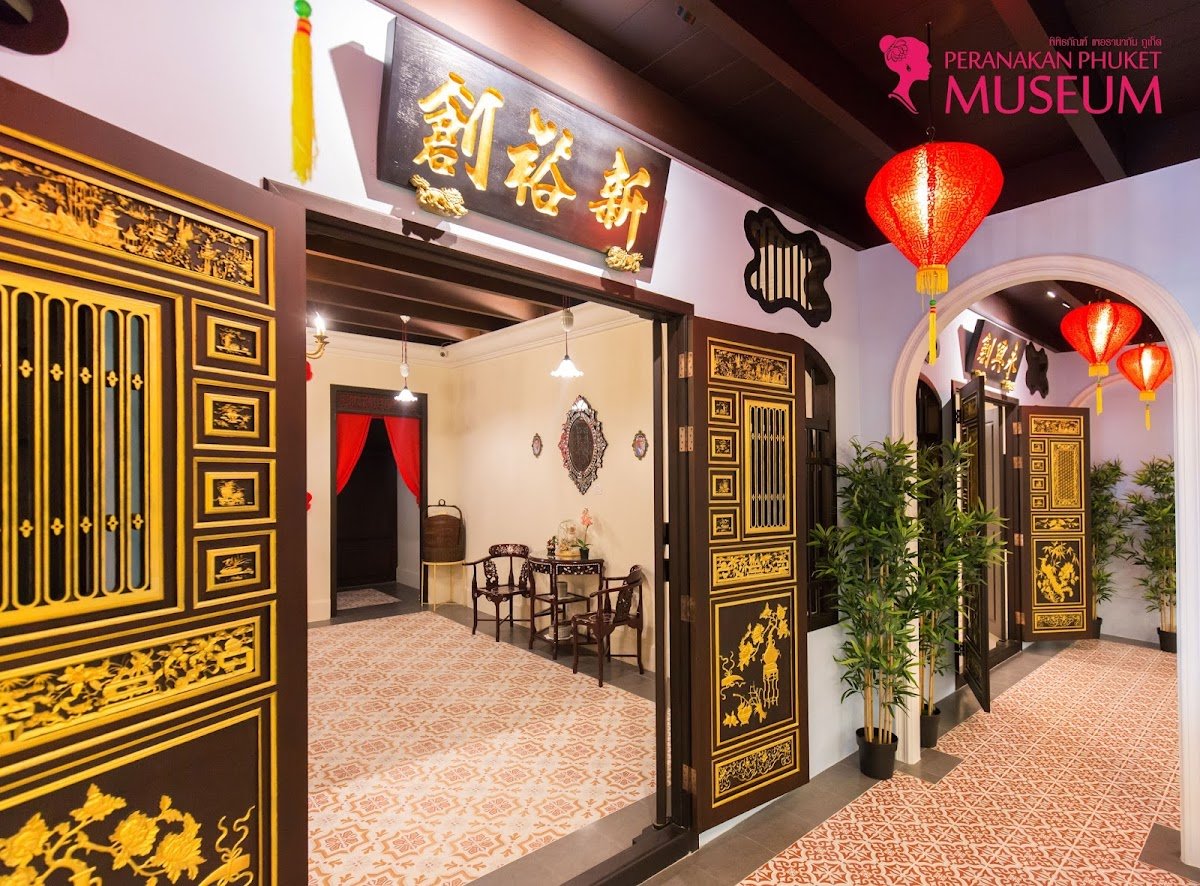
Peranakan Museum

Peranakan Museum

Phuket, Thailand
i

Once a hidden gem in Phuket’s cultural landscape, the Peranakan Museum now invites curious travelers to step into the vibrant past and present of the local Baba-Nyonya community. A visit here reveals the layers of history and daily life that shaped Phuket beyond its beaches. Intricate traditions, family stories, and colorful design blend together in one elegant house—a favorite for those seeking meaning and beauty behind the city’s bright facades.

Visiting Info

Currency
Entrance fee
200 THB
Hours
Opening hours
Monday: 9:00 AM – 6:00 PM
Tuesday: 9:00 AM – 6:00 PM
Wednesday: 9:00 AM – 6:00 PM
Thursday: 9:00 AM – 6:00 PM
Friday: 9:00 AM – 6:00 PM
Saturday: 9:00 AM – 6:00 PM
Sunday: 9:00 AM – 6:00 PM

Contact Information

Location
Address
124/1 Moo 1, Sri Soonthorn, Thalang, Phuket 83110, Thailand

Planning your visit

A successful visit to the Peranakan Museum starts with a bit of planning, since this attraction is popular among both locals and visitors. The museum sits in the heart of Phuket Town, easily reached by taxi, tuk-tuk, or bus from major island areas. Mornings and late afternoons are the most pleasant, as midday can bring crowds, especially during peak holiday seasons. Most displays are indoors, offering welcome relief from the tropical heat and making the venue accessible for all ages. While tickets are reasonably priced, occasional group tours can make the main halls busy, so flexibility helps. Children and history buffs alike find the hands-on sections fun as well as educational.

  • Best time to visit: Weekday mornings or late afternoons; November to March offers cooler weather.
  • How to get there: Convenient taxi, bus, or tuk-tuk options from Patong, Kata, or Phuket Town. Limited parking available nearby.
  • Accessibility: Wheelchair ramps and elevators serve most sections, while families with strollers will find gentle paths and shaded benches.
  • Average visit duration: 1 to 2 hours for most guests, longer if joining a workshop or special event.
Must see stuff

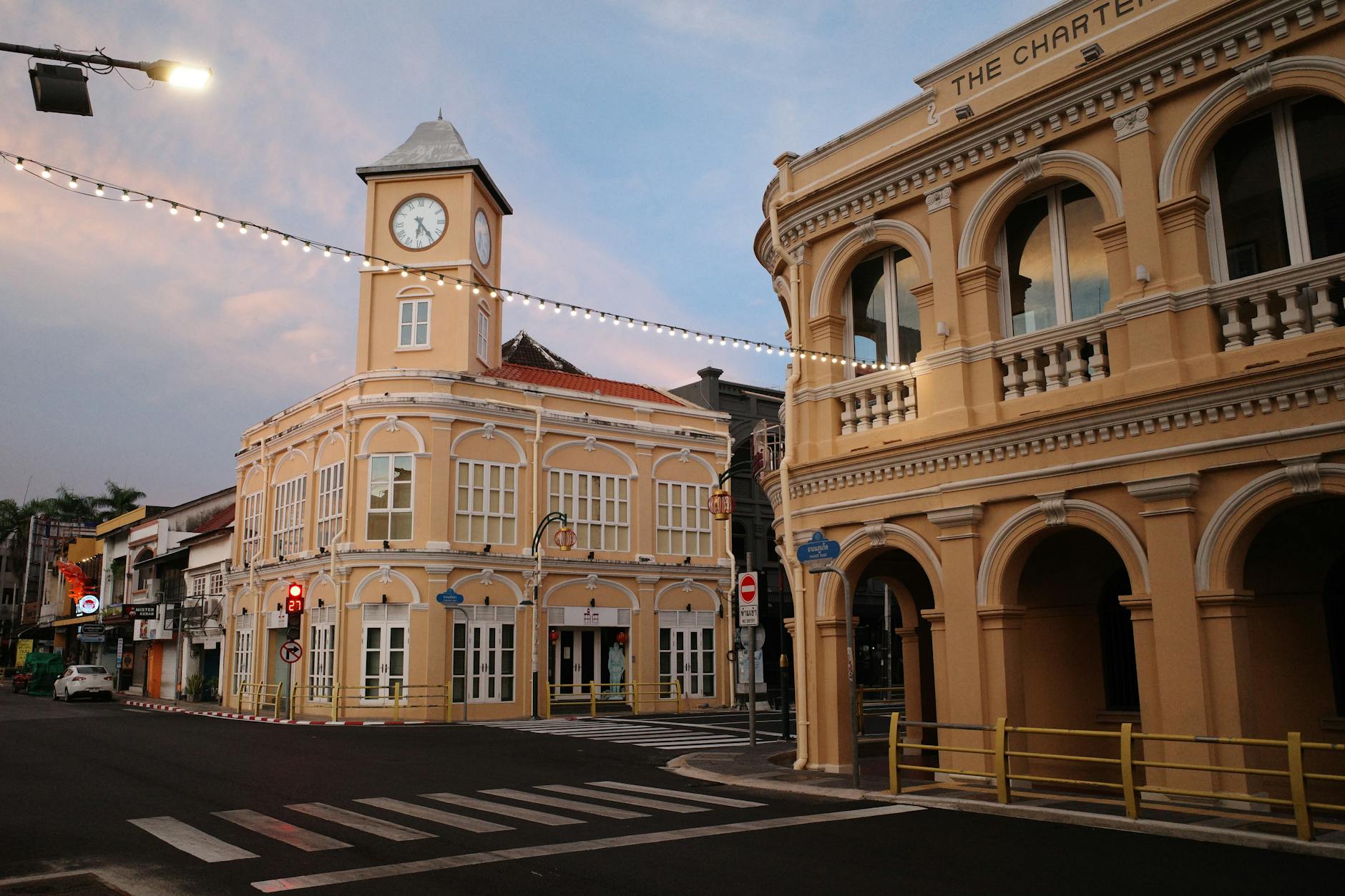
Several unique corners and exhibits inside the Peranakan Museum deserve special attention, weaving together heritage and modern flair. Grand archways and pastel-tiled floors welcome visitors with a burst of color that hints at the artistic soul of the Peranakan community. Fascinating displays showcase wedding dresses, festive jewelry, and daily artifacts, each whispering stories of family, trade, and tradition. Interactive areas let kids try on costumes or invent mock recipes in an old-style kitchen. Locals sometimes host traditional dance performances or food tastings, adding extra flavor to the cultural journey. Quieter rooms offer a chance to look closer at black-and-white family portraits or hand-painted ceramics that date back generations. Around nearly every corner, something is sure to surprise.

  • Key sights or features: The restored Sino-Portuguese mansion, main gallery with beadwork and textiles, kitchen exhibit, and antique jewelry collection.
  • Unique experiences: Weekend Peranakan dance shows, hands-on batik painting workshops, and private walking tours led by local historians.
  • Photo-worthy locations: The rainbow-tiled courtyard, stained-glass entryway, and a spiral staircase framed by intricate wooden screens.
  • Cultural or historical facts: The Peranakan are descendants of early Chinese settlers who blended local Thai, Malay, and European influences—visible in distinctive fashion, spicy-sweet foods, and regional festivals. The mansion itself survived two centuries of trade booms and family gatherings, now carefully restored for the public.

Tips for your visit

A little advance knowledge goes a long way at the Peranakan Museum. Arriving late in the afternoon can avoid the tours that sometimes crowd the main rooms. Comfortable shoes are smart—though the house is compact, wandering invites pausing and lingering. No outside food is allowed, but a cozy café inside serves local treats. Photos are welcomed except in a few marked areas. Friendly staff are eager to share stories if asked. While some displays are labeled in English, a small guidebook or audio tour offers deeper insight. Like many historic houses, the air-conditioning varies between rooms, so bringing a light layer keeps things pleasant. The museum and surrounding old town neighborhood invite slow exploration, with plenty of coffee shops and boutique stores nearby in case tired feet need a rest.

  • Best times to avoid crowds: Visit before 11am or after 3pm, skipping weekends and public holidays if possible.
  • What to bring: Water bottle, camera, a light scarf for chilly gallery rooms, and some cash for café snacks or souvenirs.
  • Local etiquette or rules: Modest dress is respected; loud voices or touching delicate displays should be avoided.
  • Safety or comfort advice: Watch out for steep steps in older parts of the house, and ask staff to point out barrier-free routes if needed.

Similar Attractions

Peranakan Museum – Tickets, Hours & Visitor Guide