Tres Trapi Beach

Tres Trapi Beach

Oranjestad, Aruba
i

Tres Trapi Beach

Photo by Franklin

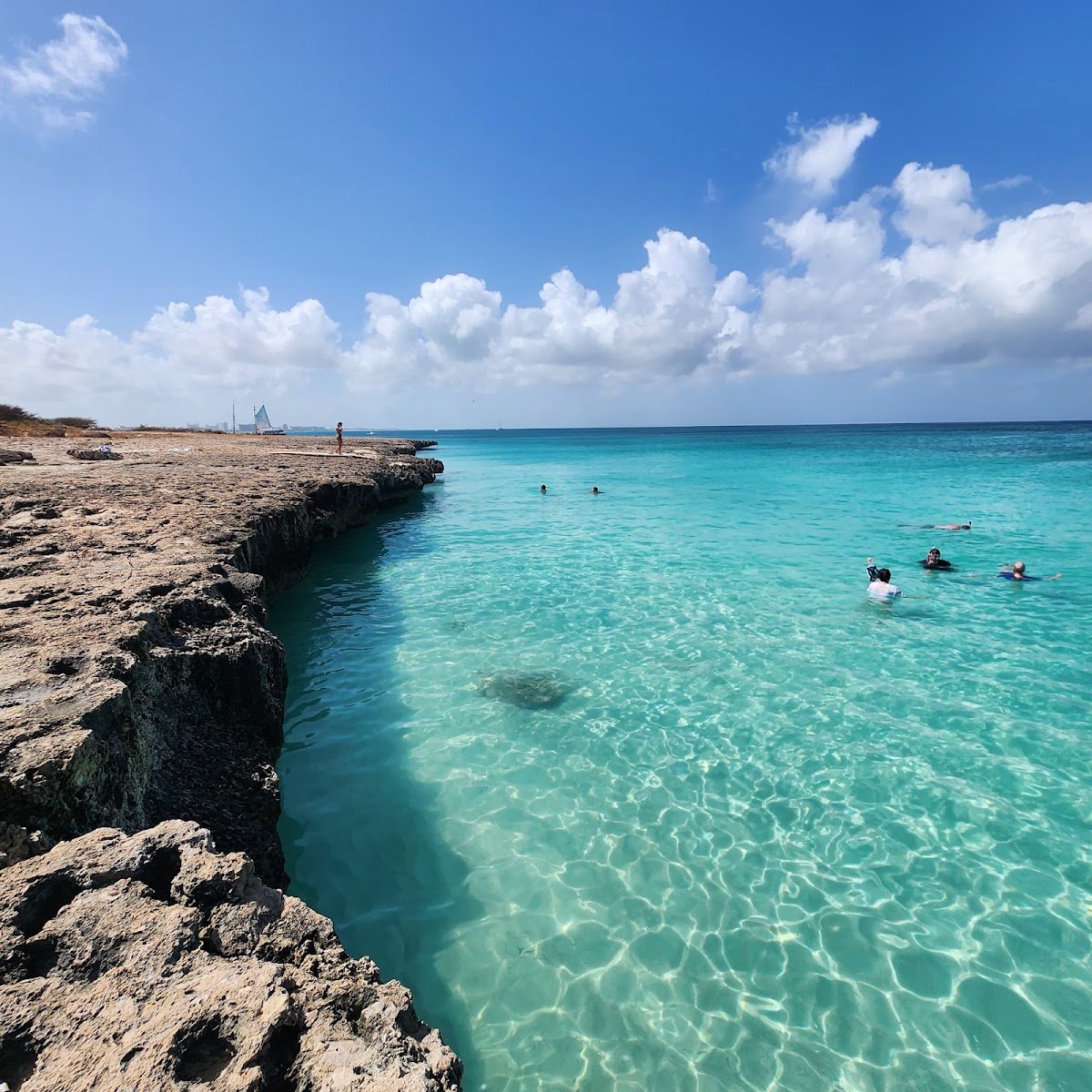
On the edge of Aruba’s rugged northwest coast sits a natural hideaway, so modest that a visitor might pass it by. Yet Tres Trapi Beach, crowned by weathered limestone cliffs and turquoise shallows, has become a favorite for those seeking quiet beauty, curious sea life, and time away from larger crowds. Reserved but unforgettable, Tres Trapi blends natural spectacle with a hint of local charm, standing as a reminder that Aruba’s best treasures often boast subtlety over spectacle.

Visiting Info

Currency
Entrance fee
Free

Contact Information

Location
Address
L. G. Smith Boulevard 105, Noord, Aruba

Planning your visit

Planning a trip to Tres Trapi Beach means preparing for something a bit off the beaten path. This small cove, just north of Malmok Beach, remains less crowded than the wide sands further south, but early risers hold an advantage. Crowds are rare during weekdays, especially at sunrise, but weekends may draw small groups for snorkeling or sunset photography. No entrance fee greets visitors at Tres Trapi, and neither do concession stands or beach rentals, so pack with self-reliance in mind. Rental cars offer the most flexibility, but taxis can drop off travelers without trouble. Simple stone steps—giving Tres Trapi its name—lead down to the rocky shore, which might challenge those with mobility issues or toddlers, though older children and active adults usually manage easily. Visits can vary in length. Many stay under two hours, enough to swim, snorkel, or simply soak up the view.

  • Best time to visit: Early morning for solitude and the calmest sea, late afternoon for soft golden light. December through April offers the freshest breeze.
  • How to get there: Short drive from Oranjestad or Palm Beach; ample roadside parking. Taxis from main hotel zones take about 10–15 minutes. Public buses pass along L.G. Smith Boulevard, with stops within walking distance.
  • Accessibility: Stone steps can be steep and uneven. There are no handrails, so people with mobility limitations should use extra caution. Not stroller or wheelchair friendly.
  • Average visit duration: 1 to 2 hours for most visitors. Add more time for snorkeling or relaxed picnics.

Must see stuff

Tres Trapi Beach packs adventure and calm into a compact space. Its main draw lies in its crystalline shallows, framed by smooth grey rocks and sparse sand. While the beach itself measures only a few meters across, the real magic starts underwater. Here, feather duster worms wave from crevices, sea stars dot the sand, and sea turtles sometimes float by. Up above, limestone ledges form a series of natural benches, perfect for a shady break or contemplative view. Locals love the blue-green gradient of the water, changing colors as clouds drift overhead.

  • Key sights or features: The iconic stone steps carved directly into the coral cliff, giving Tres Trapi its name and signature entrance.
  • Unique experiences: Snorkeling with starfish and tropical fish in shallow clear water. Sunset views with gentle waves lapping against limestone.
  • Photo-worthy locations: The steps at low tide, underwater shots near the rocky outcrops, and golden-hour backdrops from the cliff edge.
  • Cultural or historical facts: "Trapi" means steps in Papiamento (Aruba’s local Creole). The lack of commercial development keeps Tres Trapi feeling like a neighborhood secret, even as word spreads.

Tips for your visit

To get the most from Tres Trapi Beach, a little preparation goes a long way. Sandals and beach towels have their place, but sturdy water shoes guard against sharp rocks. Sunglasses, sunscreen, and a refillable water bottle are essential, as the sun shows little mercy and no natural shade covers the small cove after late morning. Photos pack more punch when the light is angled low, so plan visits around dawn or dusk. Open seating means first-come, first-served for the coveted ledges, yet respectful sharing ensures everyone enjoys the scenery. Locals and seasoned travelers alike keep music and voices low, preserving the relaxed mood of the site. Because there are no lifeguards or services, strong swimmers should explore the deeper water, while beginners can stick to the shoreline.

  • Best times to avoid crowds: Early mornings during weekdays bring the least competition for space and calm waters for snorkeling.
  • What to bring: Water shoes, towels, reef-friendly sunscreen, snorkeling mask or goggles, snacks, camera.
  • Local etiquette or rules: Take trash with you, keep noise low, avoid disturbing wildlife like sea stars. Swimming suits are required, but topless sunbathing is not common.
  • Safety or comfort advice: Watch your footing on slippery steps, bring all personal supplies, and supervise children at all times.