Eagle Beach

Eagle Beach

Oranjestad, Aruba

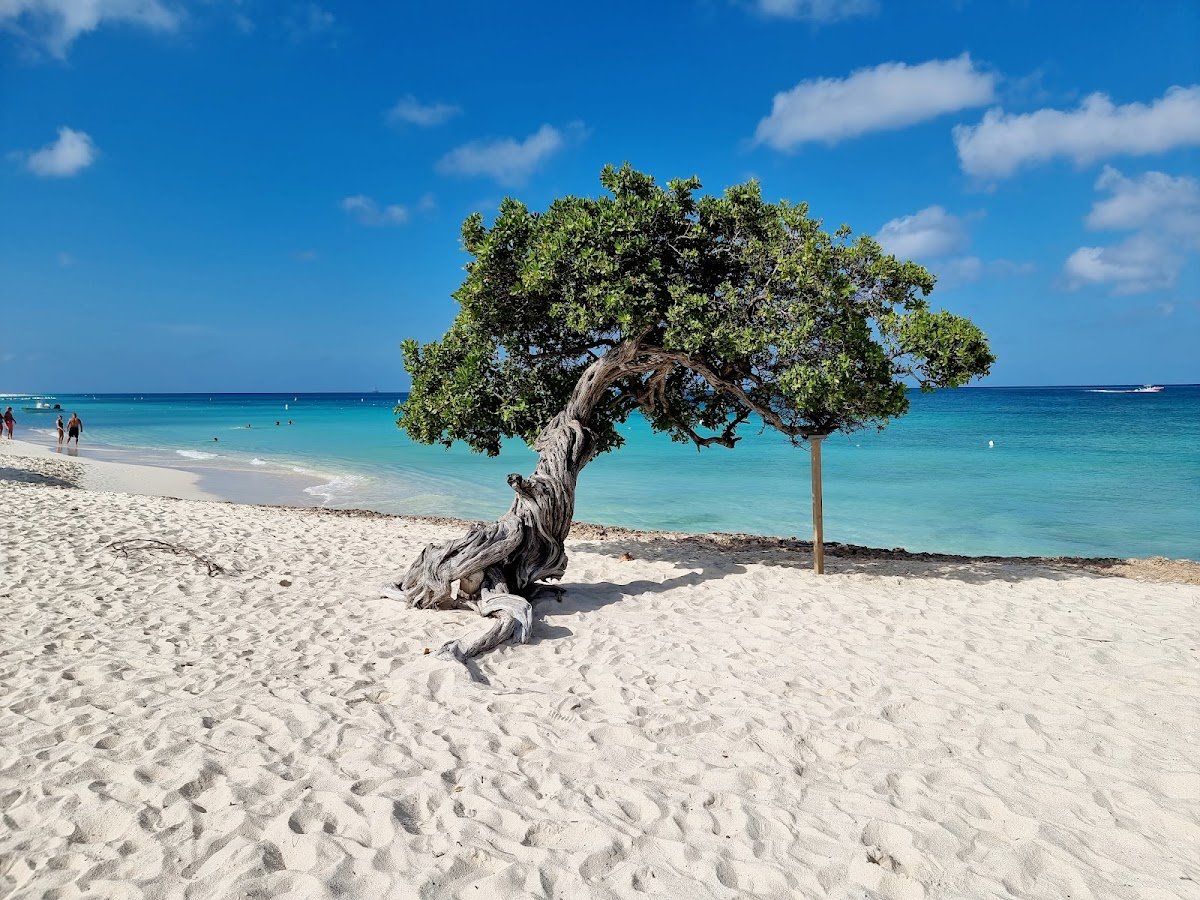
Eagle Beach stands out as one of Aruba's most iconic stretches of sand, drawing travelers from around the globe with its wide shoreline, turquoise waters, and famous fofoti trees bent by the constant trade winds. This beach is often photographed for travel magazines and postcards, but what makes Eagle Beach memorable is how it combines natural beauty with a relaxed, local spirit. There's room to unwind with plenty of space between towel and neighbor, and every visit brings new details to discover beyond the view.

Visiting Info

Currency
Entrance fee
Free

Contact Information

Location
Address
Eagle Beach, Aruba

Planning your visit

Successfully planning a trip to Eagle Beach involves more than just packing a swimsuit. While the beach is public and free, timing the visit can shape the whole experience. In Aruba, the sun shines almost every day, but a steady breeze keeps things comfortable. High season, from December to April, fills up quickly with visitors escaping cooler climates, making mornings and late afternoons more tranquil. The beach sits outside busy high-rise zones, so traffic and parking remain surprisingly manageable compared to larger Caribbean destinations. Direct buses and taxis connect Eagle Beach to Oranjestad and the airport, making access easy. Family travelers, seniors, and solo explorers will find well-maintained paths and close parking, while palm-shaded palapas offer respite for all ages. Many choose to stay for just a few hours, while others linger all day, but a half-day covers most highlights.

  • Best time to visit: Early morning for peaceful walks or late afternoon for mellow sunsets. May through November brings fewer crowds.
  • How to get there: Reach Eagle Beach by taxi, local Arubus routes from Oranjestad, or rental car. Rides take 10-15 minutes from downtown.
  • Accessibility: Flat walkways, parking spots, and easy beach entry make it accessible for families, seniors, and people with limited mobility.
  • Average visit duration: 3-4 hours, though sunset often tempts visitors to stay longer.

Must see stuff

Most travelers arrive for the powdery sand and calm surf, but Eagle Beach hides delights beyond these famous views. Near the north end, two ancient, wind-shaped fofoti trees lean dramatically, offering Aruba's most recognizable photo spot. Several local stalls rent colorful palapas and loungers for the perfect basecamp, while a handful of food trucks dish out snacks like fresh coconut water and pastechi. Adventurous swimmers stray from shore, spotting tropical fish just a short wade away. Not far from the sand, smaller hotels and apartment rentals dot the street, giving the area a quieter, local feel than the buzzing Palm Beach district. Early risers sometimes see giant sea turtles nesting between March and September, a rare sight well worth a dawn stroll. A short walk north leads to a lesser-known cove, favored by local families for picnics on weekends. Evenings bring locals and visitors together for volleyball, sunset yoga, and friendly games played beneath pink-tinged skies. Tidbits of Eagle Beach’s past linger in conversations with vendors, who often share stories about old Oranjestad and the gradual shift from fishing village to beloved island escape.

  • Key sights: Iconic fofoti trees; wide stretches of soft sand; turquoise, shallow waters.
  • Unique experiences: Turtle nesting (March-September); sunset yoga classes; trying local snacks from food trucks.
  • Photo-worthy locations: Fofoti trees at sunrise or sunset; peaceful north-end cove; shells and driftwood along the shoreline.
  • Cultural/historical facts: Eagle Beach stands on grounds where early Aruban communities fished and traded; local guides often recount stories of shipwrecks offshore.

Tips for your visit

A smooth trip to Eagle Beach comes down to timing and simple preparation. While the usual crowd gathers in the late morning, arriving early means quieter sand and a better pick of palapas. Sunscreen is essential: that Aruban sun feels gentle, but can burn quickly thanks to steady trade winds. Flip-flops work for sandy walks, but the shoreline’s occasional coral bits mean older beachgoers may prefer water shoes. Keep an eye on weather patterns, though sudden rain showers rarely last long. Local etiquette favors friendliness: greet vendors and staff with a "bon dia" (good morning) and respect both nesting turtles and private loungers. Safety is rarely a concern on this beach, but leaving valuables unattended is never wise. Planning for snacks and water helps, as food trucks stop serving by midafternoon, and nearby stores close early on Sundays.

  • Best times to avoid crowds: Arrive before 10 a.m. or visit on weekdays outside holidays.
  • What to bring: Reef-safe sunscreen, refillable water bottle, camera, hat, and water shoes for comfort.
  • Local etiquette: Greet locals with "bon dia"; give nesting turtles plenty of space; ask before using loungers belonging to hotels.
  • Safety/comfort advice: Use shade breaks and drink plenty of water; keep an eye on young swimmers during modest waves.