Aruba Ostrich Farm

Aruba Ostrich Farm

Oranjestad, Aruba
i

Aruba Ostrich Farm

Photo by Faith Le

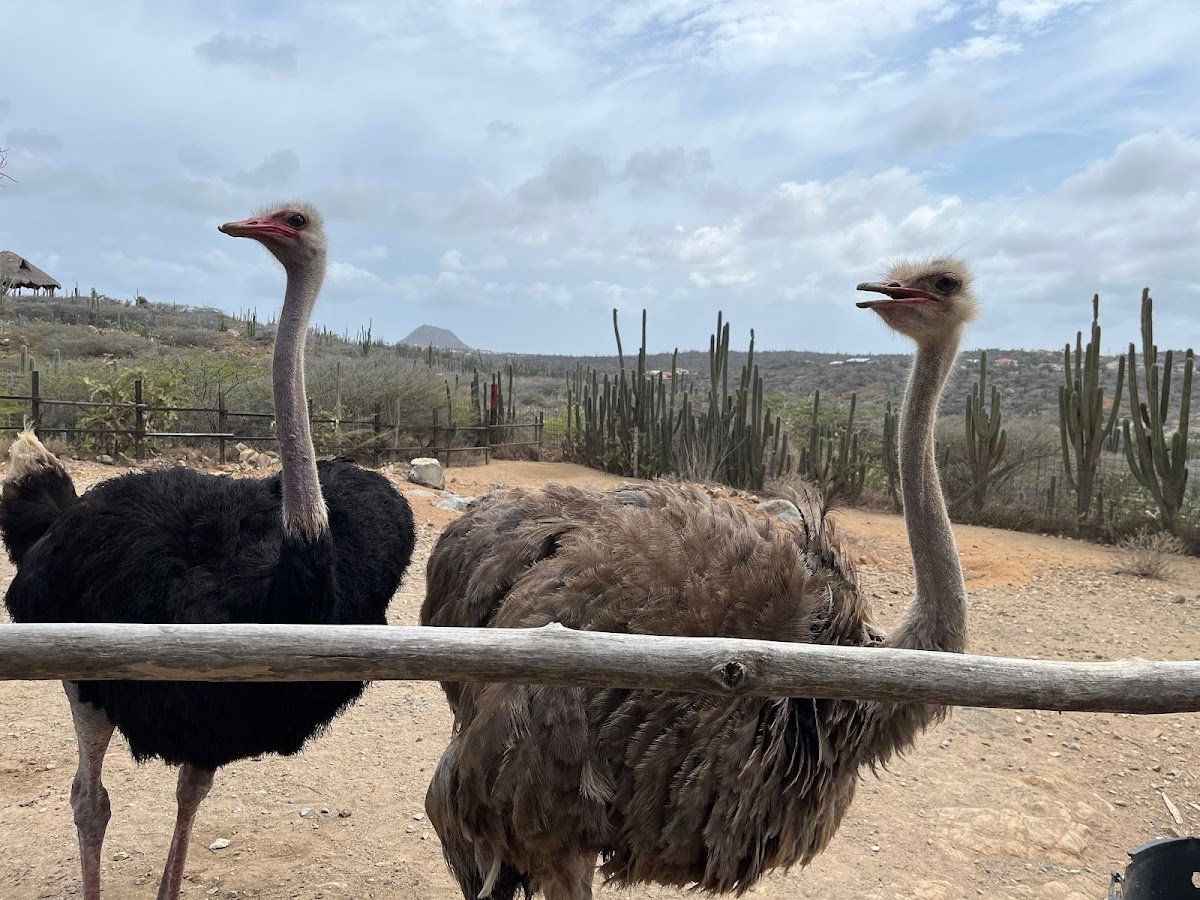
Among wind-sculpted divi-divi trees and the deep blues of the Caribbean Sea, one attraction stands out for travelers craving something out of the ordinary: the Aruba Ostrich Farm. Here, island adventure takes a wilder twist, combining interactive animal encounters, hands-on learning, and the quirky charm of Aruba’s sun-baked countryside. For visitors of any age, a stop at this lively farm means a day filled with surprises—long-legged, feathered ones especially.

Visiting Info

Currency
Entrance fee
16 USD
Hours
Opening hours
Monday: 10:00 AM – 4:00 PM
Tuesday: 10:00 AM – 4:00 PM
Wednesday: 10:00 AM – 4:00 PM
Thursday: 10:00 AM – 4:00 PM
Friday: 10:00 AM – 4:00 PM
Saturday: 10:00 AM – 4:00 PM
Sunday: 10:00 AM – 4:00 PM

Contact Information

Location
Address
Matividiri 57, Paradera, Aruba

Planning your visit

Travelers charting a visit to the Aruba Ostrich Farm should expect a place that welcomes both the curious and the cautious. Located just a short drive from Oranjestad, but feeling a world away from the beaches, the farm offers a window into Aruba’s rugged interior and rural rhythms. Arriving when the morning light softens the cacti-dotted hills, guests enjoy cooler air, fewer crowds, and the birds at their most curious. The best experiences come with a bit of planning, especially during high season or cruise ship days, when group tours sometimes lead to crowds. Tickets are affordable and best purchased on arrival for flexibility, but organized tours from hotels or cruise lines can streamline the journey for those without a car.

  • Best time to visit: Early mornings (8:30-10:30 am) or late afternoon for cooler temperatures; weekdays for a quieter experience; avoid midday sun.
  • How to get there: Located on the outskirts of Paradera, about 15 minutes by car from Oranjestad; taxis, rental cars, and arranged tours are all popular options.
  • Accessibility: Most pathways are flat and compacted, making them manageable for wheelchairs, strollers, and visitors with limited mobility, though some sandy spots may require caution.
  • Average visit duration: Plan for 60–90 minutes, including the guided tour, gift shop browsing, and a snack at the onsite café.

Must see stuff

The heart of the Aruba Ostrich Farm beats with curiosity and laughter. The main attraction is, of course, the guided tour—often led by staff who know each bird by name and love to sprinkle fun facts with a bit of island humor. Guests get to meet the tall, wide-eyed stars: dozens of ostriches, plus their stately, slightly shy cousins, the emus. Reaching out to offer pellets to a gentle giant, visitors quickly learn why these birds have survived since the age of dinosaurs. Cameras come out often, tongues-in-cheek signs spark giggles, and the open-air pens keep even the youngest guests engaged. Sweeping desert views from the farm’s edge provide a photo-worthy backdrop—and catch the play of sunlight on feathers in magical ways.

  • Guided ostrich and emu feeding tour: The highlight, where visitors safely hand-feed the birds, learn fun trivia, and laugh at their comical antics.
  • Incubation room: A peek into the life cycle of these impressive creatures—with eggs and little chicks during hatching season for families to admire.
  • The Arawak Hut café: Tasty ostrich egg omelets and cool drinks; a quiet spot to rest and recap new memories.
  • Photo ops: Snapping shots with ostriches against cacti-strewn hills, or group selfies under thatched huts, makes for excellent keepsakes.
  • Local lore and facts: Staff share stories about Aruba’s agricultural history and how ostriches, though not native, have found a niche in this desert landscape.

Tips for your visit

Preparation makes a good trip unforgettable. The open layout means Aruba’s sun can be relentless by lunchtime, so dressing for shade and wearing sturdy shoes sets the stage for comfort. It’s smart to bring a refillable water bottle, as exploring the farm builds up a thirst, especially for families with kids in tow. Mosquitoes rarely bother, but hats and sunscreen are essential for midday protection. Feeding ostriches can be dizzying fun for kids, but keeping a respectful distance and listening to the guides ensures safety for all—ostriches included. Light breezes keep most bugs away, but a hand sanitizer comes in handy after feeding or petting the animals. Some attractions, like chick viewing, depend on the timing of your visit, so calling ahead in hatching season adds an extra bit of magic.

  • Best times to avoid crowds: Arrive within the first hour of opening or after 3 pm; avoid big cruise ship docking days in Oranjestad.
  • What to bring: Water bottle, sun hat, sunscreen, closed-toe shoes, camera or smartphone, hand sanitizer.
  • Etiquette: Listen to guides during tours, respect boundaries of birds, supervise children closely, and avoid loud noises that might startle the animals.
  • Safety and comfort: Paths are well-kept but can be dusty; dress accordingly and stay hydrated. Most signage in English, Dutch, and Spanish makes moving around easy for visitors from nearly anywhere.
Aruba Ostrich Farm – Tickets, Hours & Visitor Guide