Byzantine Museum
Byzantine Museum

Byzantine Museum

Nicosia, Cyprus

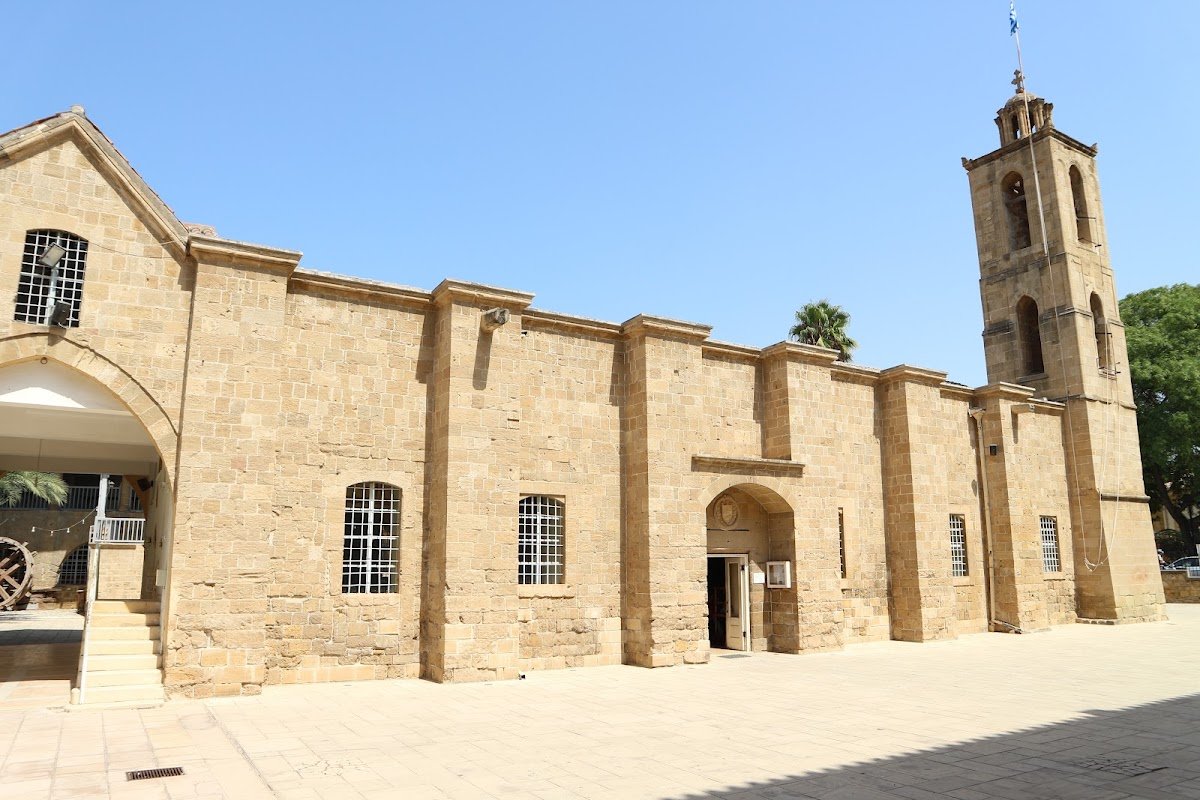
Tucked behind terracotta rooftops and winding alleys, the Byzantine Museum stands as a treasure trove for history and art lovers. Colors lifted from ancient frescoes catch the sunlight through glass, while the weight of centuries settles quietly above limestone corridors. Across centuries and conquerors, these walls have guarded Cyprus's secrets and sacred art. In a city humming with daily life outside, the museum provides a pocket of reflection, connection, and awe.

Visiting Info

Currency
Entrance fee
5 EUR
Hours
Opening hours
Monday: Closed
Tuesday: 9:30 AM – 5:00 PM
Wednesday: 9:30 AM – 5:00 PM
Thursday: 9:30 AM – 5:00 PM
Friday: 9:30 AM – 5:00 PM
Saturday: 9:30 AM – 5:00 PM
Sunday: Closed

Contact Information

Location
Address
Πλ. Αρχιεπισκόπου Κυπριανού, Nicosia, Lefkosia 1016, Cyprus

Planning your visit

Efficient planning turns a good visit to the Byzantine Museum into a memorable one. The museum, located in the heart of the old city, feels peaceful in the morning but attracts more visitors by midday. Small crowds might trickle in during weekends or on Orthodox holidays, when local families return to share stories with children. Tickets are affordable, but cash sometimes works best. The area around the museum, cobbled and lively, invites exploration but also demands sensible walking shoes.

  • Best time to visit: Early mornings or late afternoons, especially on weekdays, for a quieter experience. Spring and fall bring cooler weather and fewer crowds.
  • How to get there: The museum sits next to the imposing St. John’s Cathedral within Nicosia’s old city. Reachable by city bus, taxi, or a pleasant stroll from the city center. Paid parking available at nearby public lots.
  • Accessibility: Most galleries are accessible for strollers and wheelchairs, though some spots may require assistance due to historic flooring. The staff readily helps families and seniors.
  • Average visit duration: Plan for 60–90 minutes for a standard tour, or linger longer to absorb the finer details.

Must see stuff

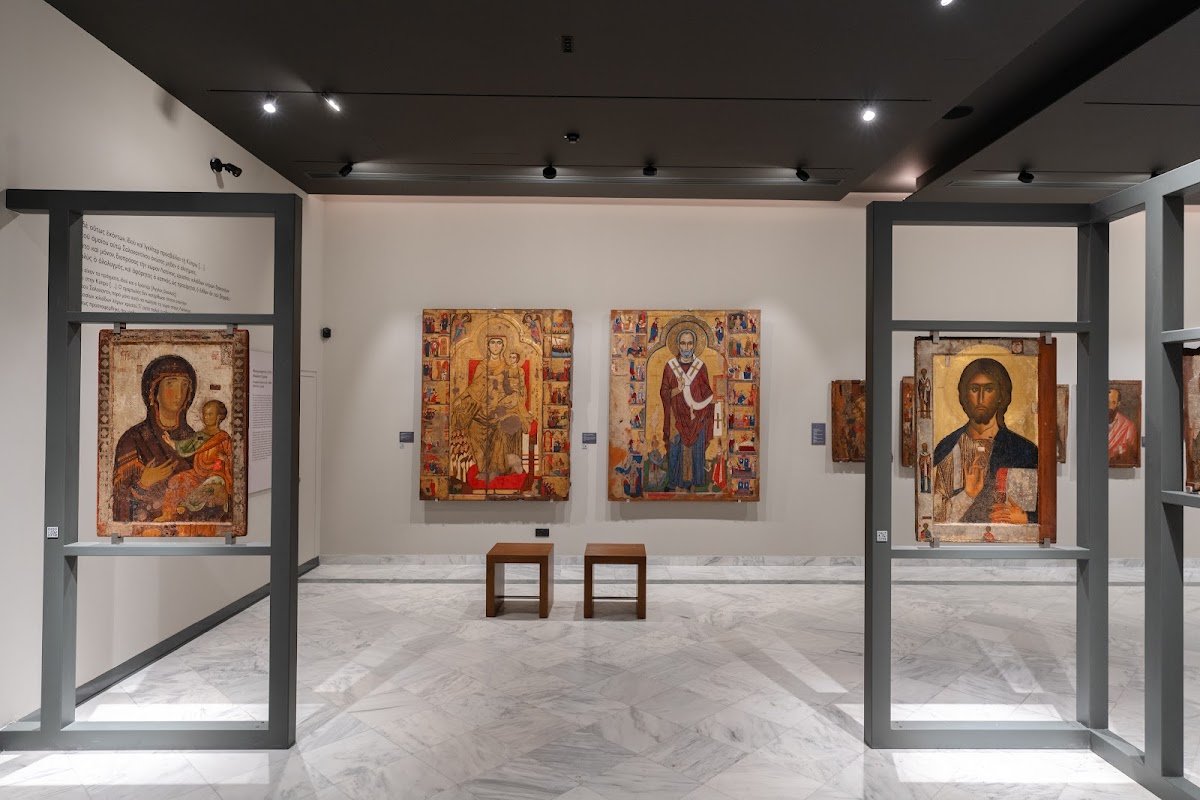
A visit to the Byzantine Museum brings face-to-face encounters with luminous icons, rare manuscripts, and stories carved in timber and gold leaf. Light plays over glass cases holding centuries-old bibles, and nearby, silver reliquaries hint at the spiritual life of past communities. Beyond the famed icons, smaller gems add depth: fragments of frescoes rescued from abandoned chapels, or imperial coins slipped from pilgrims’ pockets. Each object forms part of a tangled, captivating history.

  • Key sights or features: The museum's centerpiece: a world-famous collection of Byzantine icons, some dating to the 9th century. Don’t miss the intricate mosaic fragments from Kanakaria church and the beautiful carved wood iconostases.
  • Unique experiences: Guided tours offer context on how saints, emperors, and craftsmen shaped Cyprus. Ask about stories of smuggled icons returned after decades abroad.
  • Photo-worthy locations: The arched entryway beside St. John’s Cathedral; dim, gold-lit galleries; centuries-old floor mosaics tucked between display cases.
  • Cultural or historical facts: Many icons on display are survivors of looting and conflict, rescued and painstakingly restored. The museum not only shows art, but also tells the story of a community determined to reclaim its heritage.

Tips for your visit

Making the most of a trip to the Byzantine Museum takes a bit of insider know-how. A few simple steps add depth and comfort: bring a camera for the exterior but respect photography rules inside, carry water, and set aside time after your visit to rest in the shaded courtyard or wander nearby alleys. Visitors sometimes find the galleries a little dim, especially on cloudy days, but the lighting helps preserve priceless icons and artwork.

  • Best times to avoid crowds: Arrive at opening, or near closing time. Midday visits are busiest, especially after tour groups arrive.
  • What to bring: Water, a lightweight bag, a guidebook or downloaded notes, and sturdy shoes. Sandals work in summer but keep watch for uneven stones outside.
  • Local etiquette or rules: Silence is valued inside—step outside for conversations or phone calls. Photos are not allowed of most icon displays. Respect signs and staff instructions.
  • Safety or comfort advice: Indoor temperature feels cool, even in summer. The museum is secure and peaceful, but the nearby streets get busy around lunch or religious services. Watch your belongings as you would anywhere popular.
Byzantine Museum – Tickets, Hours & Visitor Guide