
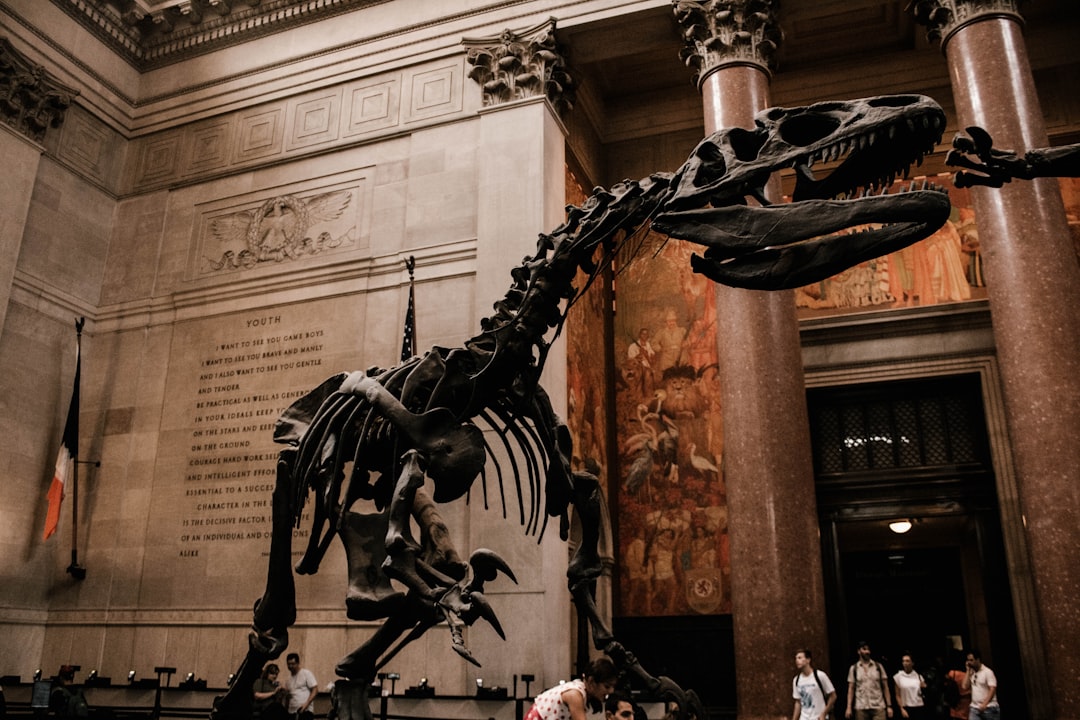
Beautiful view of American Museum of Natural History
person watching dinosaur fossil in museum

American Museum of Natural History

New York, U.S.A.
i

Beautiful view of American Museum of Natural History

Streets chatter and yellow taxis swirl nearby, but step into the American Museum of Natural History and scenes from the entire planet open up. Beyond this grand building’s columns, explorers find worlds stacked upon worlds: ancient bones, glittering gems, and even the distant twinkle of the cosmos. Few places combine storytelling, adventure, and learning with such relentless energy. For families, students, or solo wanderers, this museum stands as one of the country’s richest windows into science and natural beauty—a must-see landmark with surprises around nearly every corner.

Visiting Info

Currency
Entrance fee
28 USD
Hours
Opening hours
Monday: 10:00 AM – 5:30 PM
Tuesday: 10:00 AM – 5:30 PM
Wednesday: 10:00 AM – 5:30 PM
Thursday: 10:00 AM – 5:30 PM
Friday: 10:00 AM – 5:30 PM
Saturday: 10:00 AM – 5:30 PM
Sunday: 10:00 AM – 5:30 PM

Contact Information

Location
Address
200 Central Prk W, New York, NY 10024, United States

Planning your visit

A trip to the American Museum of Natural History rewards a little advance preparation. The most popular displays attract weekend crowds, so off-peak hours mean more chances to linger quietly among dinosaurs or gaze at meteorites. Subway and bus lines run straight to the museum’s doorstep. Visitors should expect bag checks, timed tickets during busy periods, and a sprawling map to explore. Some galleries may feel overwhelming for younger kids or those with limited mobility, but elevators and family-friendly spaces ease the journey.

  • Best time to visit: Weekdays, especially mornings, or winter months for fewer crowds.
  • How to get there: Subway (B, C trains to 81st Street–Museum of Natural History), bus routes, taxis, and limited street parking nearby.
  • Accessibility: Wheelchair-accessible entrances and restrooms; stroller-friendly paths; sensory-friendly maps available.
  • Average visit duration: 2–5 hours, though some return for full-day explorations.

Must see stuff

The museum’s classic blue whale floats above admiring faces. Nearby, dinosaur skeletons march through vast halls. But the real wonders sprawl out in all directions. Iconic displays join hidden treasures—a blend of hands-on science, artful storytelling, and dazzling collections make each corridor a mini-adventure. Some exhibits, like the Hall of Biodiversity, are famous for good reason. Others hide in plain sight, like the quiet, gem-lined Morgan Memorial Hall. Even the murals and interior details reward curious eyes. Don’t forget your camera—photo opportunities feel endless.

  • The Dinosaur Halls: Stand before a towering Tyrannosaurus rex and long-necked Apatosaurus; these giants anchor the museum’s legend.
  • The Rose Center for Earth and Space: Visit the Hayden Planetarium for cosmic shows, or spiral along the timeline of the universe.
  • Hall of Biodiversity: Snap photos under a glass ceiling and marvel at Samoa’s coral reef diorama—a vivid look at planet life.
  • Mammal Halls: Beautiful dioramas capture lions, elk, and gorillas in striking lifelike poses.
  • Hall of Gems and Minerals: Be dazzled by amethyst geodes, meteorites, and some of the rarest stones on Earth.
  • Local gem: Check the daily schedule for temporary exhibitions, film screenings, or live animal encounters.
  • Photo-worthy spots: The blue whale, dinosaur halls, and planetarium glass dome.
  • Historical tidbit: Many early expeditions for the museum inspired real-life scientific breakthroughs and bold adventures—look for artifacts from Roosevelt’s age.

Tips for your visit

A huge collection demands a game plan. Hot spots get packed, so early arrivals yield serene moments with favorite fossils or space wonders. Wear comfortable shoes—distances inside can surprise. Photography is welcome in most permanent galleries, but flashes and tripods are not. Food can be pricey inside, but Central Park picnics just steps away are a handy backup. A little patience goes a long way as lines swell at coat check and special exhibits. Certain touchable displays make the museum a sensory treat, but parents and teachers should guide young fingers gently.

  • Best times to avoid crowds: Visit on weekday mornings, especially outside school holidays.
  • What to bring: Water bottle, camera or smartphone, comfy walking shoes, a small bag (large backpacks not allowed in galleries).
  • Local etiquette: Lower voices in quieter halls, follow staff instructions, and ask before using tripods or flashes.
  • Safety and comfort: Use elevators or ramps as needed; download the museum’s map for smoother navigation; seek out quiet zones when little ones need breaks.