trees beside grey concrete buildings

9/11 Memorial & Museum

New York, U.S.A.
i

trees beside grey concrete buildings

Photo by pparnxoxo

Few places in the world balance peace, remembrance, and resilience as powerfully as the 9/11 Memorial & Museum. Rising where history changed forever, the memorial and museum preserve the stories, honor the lost, and create space for reflection at the very edge of the city’s steady pulse. Both tranquil and profound, this landmark connects the threads of memory, hope, and community in a way that leaves a lasting impression long after departure.

Visiting Info

Currency
Entrance fee
33 USD
Hours
Opening hours
Monday: 9:00 AM – 7:00 PM
Tuesday: Closed
Wednesday: 9:00 AM – 7:00 PM
Thursday: 9:00 AM – 7:00 PM
Friday: 9:00 AM – 7:00 PM
Saturday: 9:00 AM – 7:00 PM
Sunday: 9:00 AM – 7:00 PM

Contact Information

Location
Address
180 Greenwich St, New York, NY 10007, United States

Planning your visit

Thoughtful planning often means a richer, more meaningful experience at the 9/11 Memorial & Museum. Located at the World Trade Center site, the area draws a steady stream of visitors throughout the year. Tickets should be reserved well in advance, especially for the museum. While walk-ups are possible at off-peak times, morning and late afternoon are quieter periods. Accessible entrances and pathways ensure all visitors can move comfortably around the site. Allow enough time: the combination of the outdoor memorial and the extensive museum exhibits provides opportunities not just for looking, but also for deep contemplation and learning.

  • Best time to visit: Early mornings or late afternoons, especially on weekdays; fall and spring offer comfortable weather and moderate crowds.
  • How to get there: Subway lines 1, E, R, and PATH trains stop near the World Trade Center; buses also serve the area; limited parking is available nearby.
  • Accessibility: Stroller and wheelchair friendly; plenty of seating throughout the memorial plaza; accessible restrooms inside the museum.
  • Average visit duration: Plan for 2 to 3 hours to see both the outdoor memorial and the museum at a comfortable pace.

Must see stuff

The 9/11 Memorial & Museum offers a series of powerful spaces, each one adding nuance to the story of the day and its aftermath. Two enormous reflecting pools, set into the footprints of the Twin Towers, define the outdoor landscape. Names of every victim—nearly 3,000 in all—are inscribed on bronze panels surrounding each pool, inviting pause and reflection. The museum itself takes visitors deeper, with multimedia exhibits, artifacts, survivor accounts, and personal mementos. Beyond the main displays, a quiet glade and a tree surrounded by a small fence—the Survivor Tree—stand as symbols of hope and endurance. Not far away, the plaza's skyline opens to unique city views, making this site as poignant as it is photogenic.

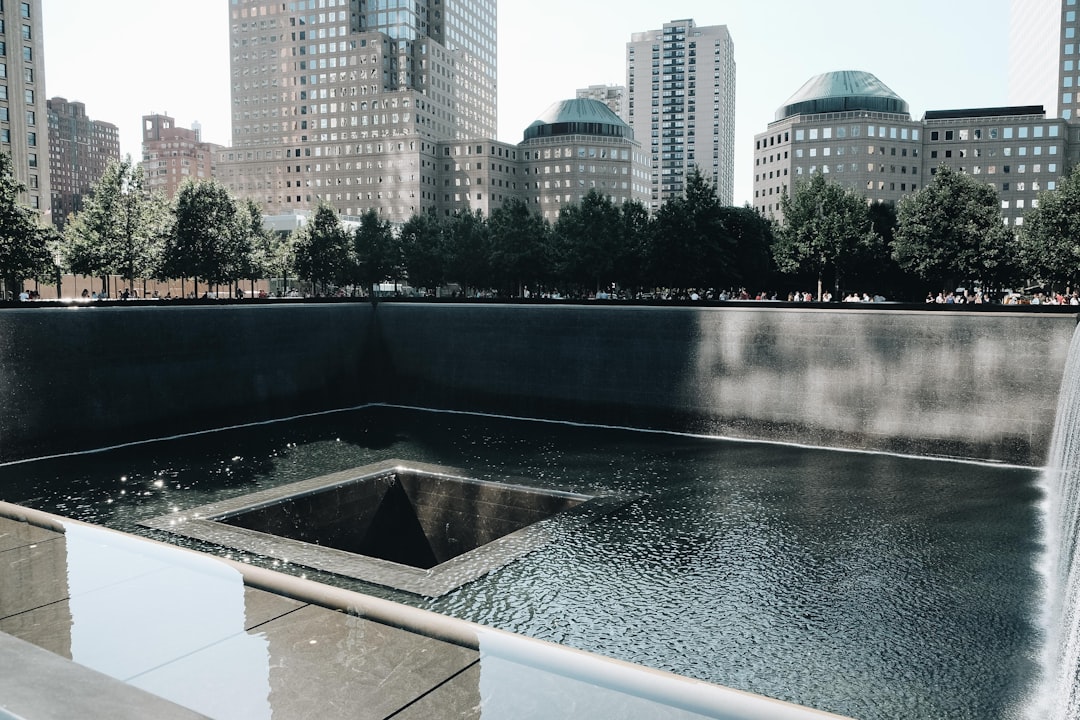
  • Reflecting Pools: The twin memorial pools, featuring the largest man-made waterfalls in North America, reflecting the scale and loss of September 11.
  • The Survivor Tree: A Callery pear tree that survived the attacks and was nursed back to health; today, it symbolizes resilience and rebirth.
  • Main Museum Exhibition: Artifacts like wrecked fire trucks, survivors’ stories, and original structural pieces from the Twin Towers bring history close.
  • Memorial Glade: A serene landscaped area honoring the ongoing sacrifices of rescue and recovery workers.
  • Photo-worthy locations: The reflecting pools at sunset; the Survivor Tree in bloom; museum’s Foundation Hall with “The Last Column.”
  • Cultural and historical facts: The names inscribed include both the 2001 attacks and the 1993 World Trade Center bombing victims; every year, blue tribute lights soar into the sky on the anniversary.

Tips for your visit

A little preparation helps the visit flow smoothly. Security is tight, like at most major attractions, so arrive a bit early. While the outdoors is open year-round, the museum maintains a comfortable climate whatever the season. The vast plaza offers shaded seating under white oak trees but can get windy in winter. Signs encourage quiet respect, particularly inside. Small lines sometimes form for the Survivor Tree photos, but patience is usually rewarded. The gift shop, while busy, contains several unique books and mementos produced in partnership with local artists. For families with young kids, guidance before and during the museum exhibits can be helpful, as some displays are intense. Overall, mindful visiting is valued but never feels forced—most visitors come away moved, regardless of age or background.

  • Best times to avoid crowds: Weekdays before 10am or after 4pm; cold weather months bring shorter wait times.
  • What to bring: Comfortable walking shoes, a water bottle (and tissues, if you’re sensitive to emotional content), and a fully charged camera.
  • Local etiquette and rules: Keep voices low; avoid using cell phones inside the museum’s main exhibition areas; food and drinks allowed only in designated spots.
  • Safety and comfort advice: Be prepared for security screening at entrance; weather on the plaza changes quickly—bring layers in spring or fall; plan a calming activity nearby if needed, such as a walk in nearby Battery Park or through the Oculus shopping center.