Primeval Forest National Park

Primeval Forest National Park

Nassau, The Bahamas
i

Primeval Forest National Park

Photo by S Gustafson

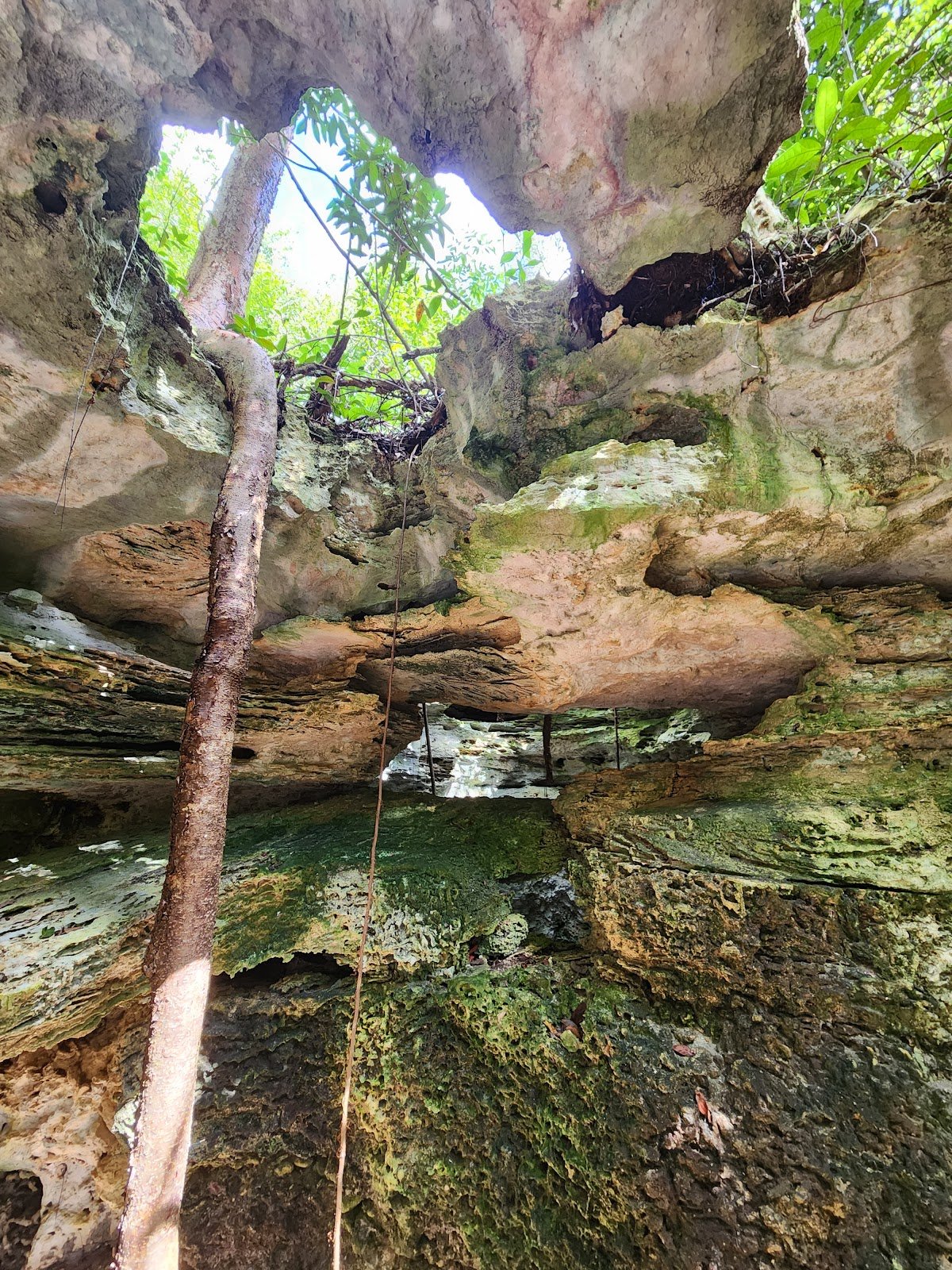
Stone pathways wind through dappled shade. The scent of ancient leaves lingers, pierced now and then by bursts of sunlight through the tall trees. Primeval Forest National Park offers something rare in The Bahamas: a place where old-growth hardwood forests still stand, sheltering tangled roots and limestone sinkholes. Far from usual beach crowds, this tranquil refuge rewards those who step inside. Nature feels closer, quieter, and far wilder here than many expect so close to Nassau’s busy streets.

Visiting Info

Currency
Entrance fee
3 BSD
Hours
Opening hours
Monday: Closed
Tuesday: Closed
Wednesday: 9:00 AM – 4:00 PM
Thursday: 9:00 AM – 4:00 PM
Friday: 9:00 AM – 4:00 PM
Saturday: 9:00 AM – 4:00 PM
Sunday: 9:00 AM – 4:00 PM

Contact Information

Location
Address
Primeval Forest National Park, Nassau, The Bahamas

Planning your visit

Planning a trip to Primeval Forest National Park takes only a little research. Tucked on the island’s southwestern edge, the park stays low-key, with welcoming staff and a slow-paced vibe. Crowds rarely gather here, except for the occasional school group or local family picnic. Early morning delivers cooler air and brighter bird calls, while afternoons can bring more visitors and stickier weather. Ticket prices stay reasonable, usually purchased at the small entrance desk. With only a few hilly spots and wooden stairs, most trails feel manageable for moderate walkers and curious kids.

  • Best time to visit: Early mornings (cooler, less busy); dry season (November–April) to avoid mosquitoes and slick trails.
  • How to get there: From Nassau’s downtown, taxi or rental car is fastest; jockey to the park’s modest entrance off Fire Trail Road.
  • Accessibility: Not wheelchair-accessible; sturdy shoes needed for uneven boardwalks and stone steps. Good for families with supervised children; seniors should take walks slow.
  • Average visit duration: 1–2 hours for a full circuit, longer for nature photography or birdwatching.

Must see stuff

Primeval Forest National Park guards a fragile slice of wild Caribbean woods—where enormous mahogany trees tower, tangled vines cradle limestone boulders, and the light never quite touches everything. Its boardwalk circuits offer both comfort and adventure, leading visitors safely through rare native habitats. History seeps from the stones: The same forest grew when pirates roamed these waters and Lucayan people were the land’s first keepers. Well-placed signs explain these secrets, tying present to past. Cameras come out fast for odd cliff faces and the forest’s silent green drama.

  • Key sights: The “sky stairs” down into limestone caverns; broadleaf hardwood giants; sinkhole viewpoints with sheer drops.
  • Unique experiences: Listen for the call of the red-legged thrush, or try a guided park tour with a local warden to uncover hidden “pit caves.”
  • Photo-worthy locations: The signature winding boardwalk, sunbeams through centuries-old trees, mysterious rocky overhangs draped in roots.
  • Cultural or historical facts: The park protects one of New Providence’s last old-growth forests; lucayan artifacts have been found in nearby caves; some mahoganies here may predate European contact.

Tips for your visit

Primeval Forest serves as a green time capsule, but the setting is still rustic. Mosquitoes love the shade in wet months. Paths stay shady, yet sudden rain can make boards and steps slick. Respect nature’s silence—loud groups scare wildlife. Local visitors often bring snacks but remember: there are no shops or cafes next to the park—planning ahead is wise. Trash bins stay limited, so take out all that you bring in. The park offers few bathrooms; most restrooms are outside the gates at parking areas.

  • Best times to avoid crowds: Weekdays before 11am or just before closing time on Sundays.
  • What to bring: Water, bug spray, sun hat, camera, sneakers with grip. Leave loud music behind.
  • Local etiquette: Stay on marked paths; no removing plants or rocks; keep noise low for wildlife and other visitors.
  • Safety and comfort: Watch the slippery steps—especially after rains. Supervise children near sinkholes and at steep drop-offs. Cell signal is strong in most places, but remote corners may fade out.

Similar Attractions

Primeval Forest National Park – Tickets, Hours & Visitor Guide