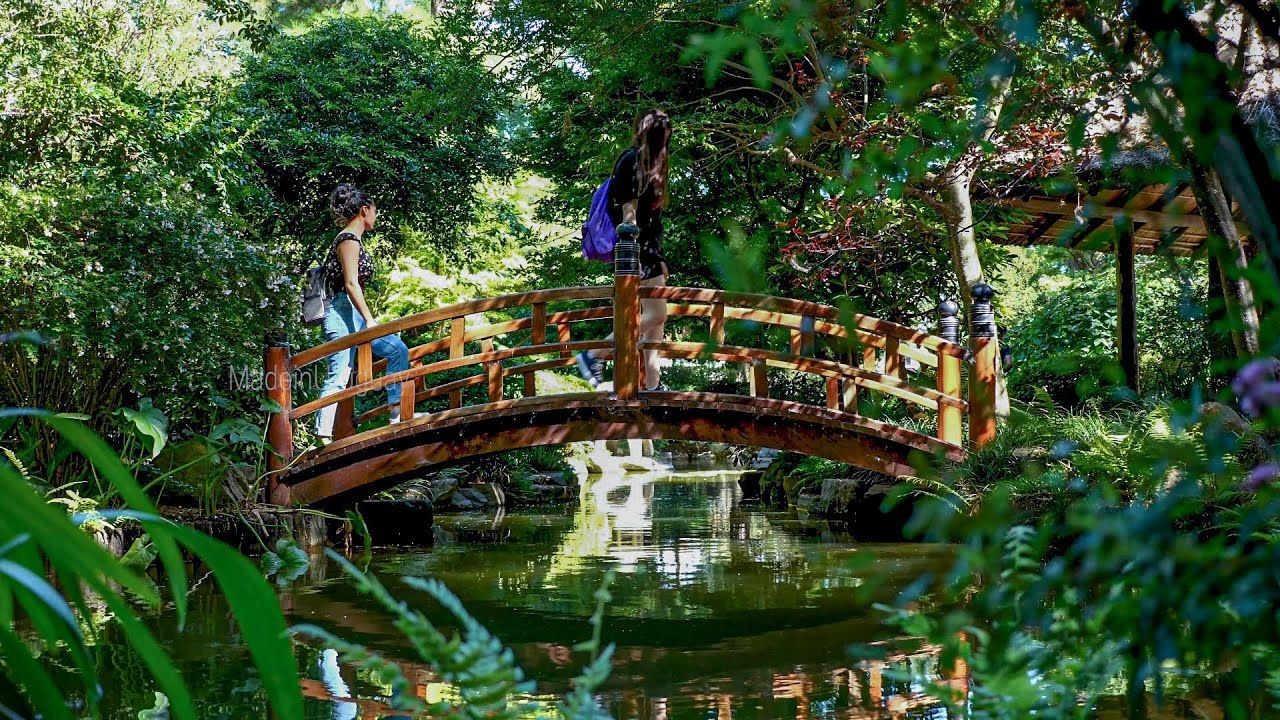
Beautiful view of Montevideo Japanese Garden Hei Sei En

Montevideo Japanese Garden Hei Sei En

Montevideo, Uruguay
i

Beautiful view of Montevideo Japanese Garden Hei Sei En

Serenity often arrives in the most surprising corners of a city. In Montevideo, Hei Sei En—the Japanese Garden—invites travelers to trade urban noise for rippling water and the hush of bamboo leaves. Designed as a bridge between Uruguayan and Japanese cultures, this peaceful green space feels set apart from daily rhythms. Strolling along the winding stone path, visitors find an oasis where art, tradition, and nature blend.

Visiting Info

Currency
Entrance fee
Free
Hours
Opening hours
Monday: Closed
Tuesday: 10:00 AM – 6:00 PM
Wednesday: 10:00 AM – 6:00 PM
Thursday: 10:00 AM – 6:00 PM
Friday: 10:00 AM – 6:00 PM
Saturday: 10:00 AM – 6:00 PM
Sunday: 10:00 AM – 6:00 PM

Contact Information

Location
Address
Av. Millán 4015, 11700 Montevideo, Departamento de Montevideo, Uruguay

Planning your visit

A little planning helps visitors make the most of Hei Sei En, especially when sunlight and quiet blend in a way that awakens every sense. The best visits typically happen during late mornings or quiet weekday afternoons, when school groups and weekend crowds fade into the distance. The garden sits near Parque Rodó, a central area served by bus routes and manageable for walkers or cyclists. Most paths are level, with benches along the way for those who appreciate a slower pace or travel with children.

  • Best time to visit: Spring (September–November) for blossoms, or early afternoons for gentle light and fewer crowds
  • How to get there: City buses (main lines stop along 21 de Setiembre Avenue); taxis or rideshares from central Montevideo; about a 40-minute walk from Ciudad Vieja
  • Accessibility: Stroller- and wheelchair-friendly main paths; benches available
  • Average visit duration: 45–90 minutes, including photography and reflection time
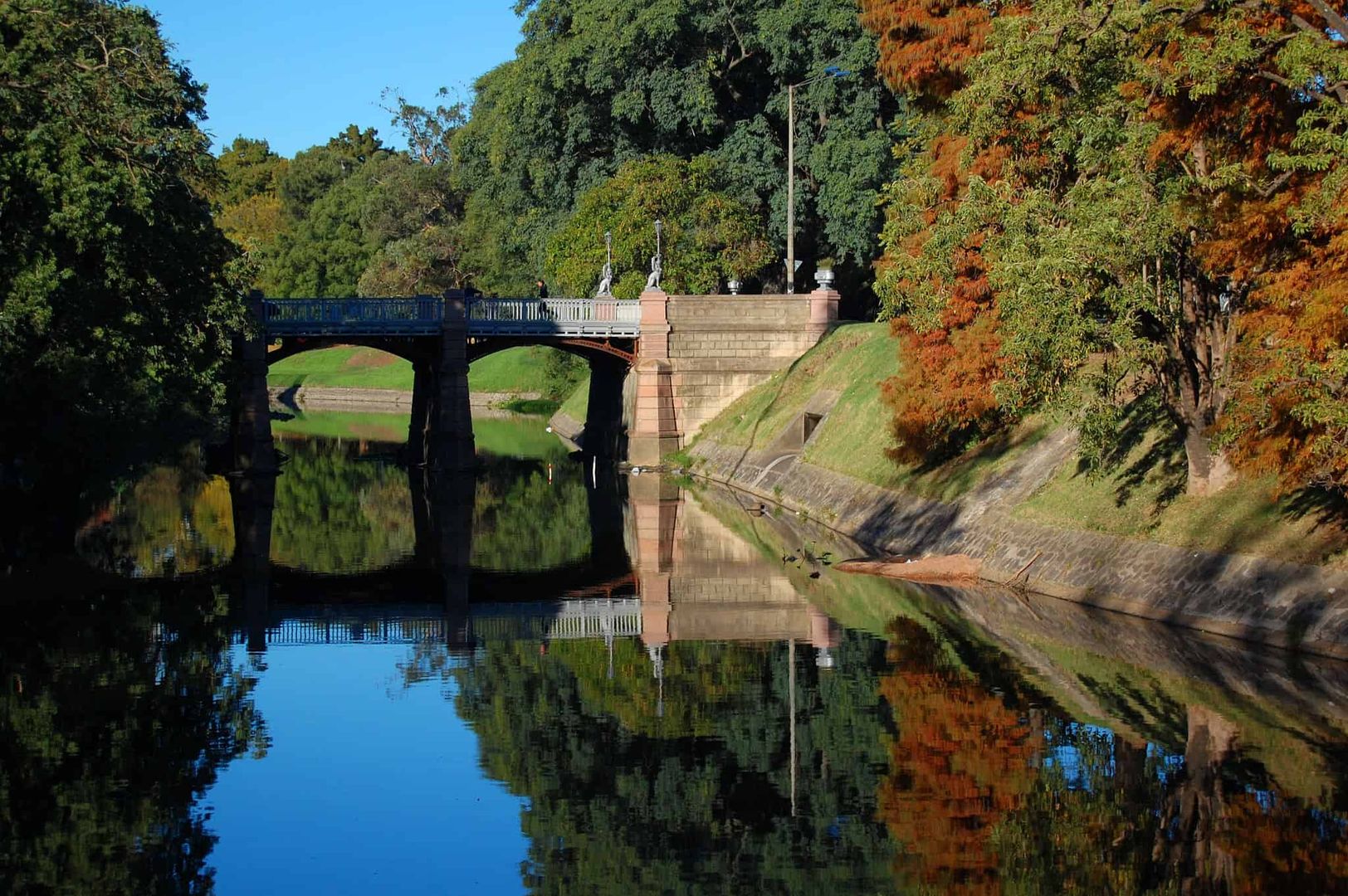
Must see stuff

Hei Sei En brings Japanese tradition to life in its carefully planned landscape. Water runs throughout the garden, feeding koi ponds rimmed with irises and lotus blooms. Wooden bridges arch gently over clear water, while stone lanterns create patterns of shadow and light along tree-lined trails. Visitors find both lively areas—like the sunlit Tea Pavilion—and quiet corners perfect for lingering with a book or camera. Each element honors Japanese design but picks up flavors from Montevideo’s local plants, creating something both foreign and familiar.

  • Koi ponds: Home to colorful fish and the garden’s most tranquil moments
  • Tea Pavilion: Sometimes hosts ceremonies or art exhibits; perfect for learning about Japanese customs
  • Bridges and stone lanterns: Classic for photographs, especially just before sunset
  • Bamboo groves: Offer shade and soft sound along the main path
  • Hidden benches: Great for people-watching and sketching, tucked beneath flowering trees
  • Cultural facts: Opened in 2001 as a gift from Japan; Japanese garden design uses rocks, water, and plants symbolically—rocks for strength, water for flow, plants for harmony

Tips for your visit

A few insider tips make Hei Sei En even more rewarding. While weekends attract picnickers and families, weekday mornings deliver almost complete silence. Bringing a camera or simple sketchpad helps capture the details that set this space apart—the curve of a pine branch or the balance of stones near the pond. Drinks and snacks aren’t always available inside, so packing a water bottle matters more than you might expect. Because Hei Sei En honors Japanese traditions, visitors should walk softly, avoid loud music or phone calls, and pick up after themselves. In summer, hats and sunscreen come in handy—the sun finds its way through every leafy opening.

  • Best times to avoid crowds: Tuesday to Thursday mornings
  • What to bring: Water, lightweight snacks, camera, sun protection, comfortable walking shoes
  • Local etiquette: Keep voices low; respect plants and koi; ask staff before entering special exhibits or pavilions
  • Safety/comfort advice: Paved paths are safe, but watch for small steps near bridges; wash hands if feeding fish; keep an eye on young children near water