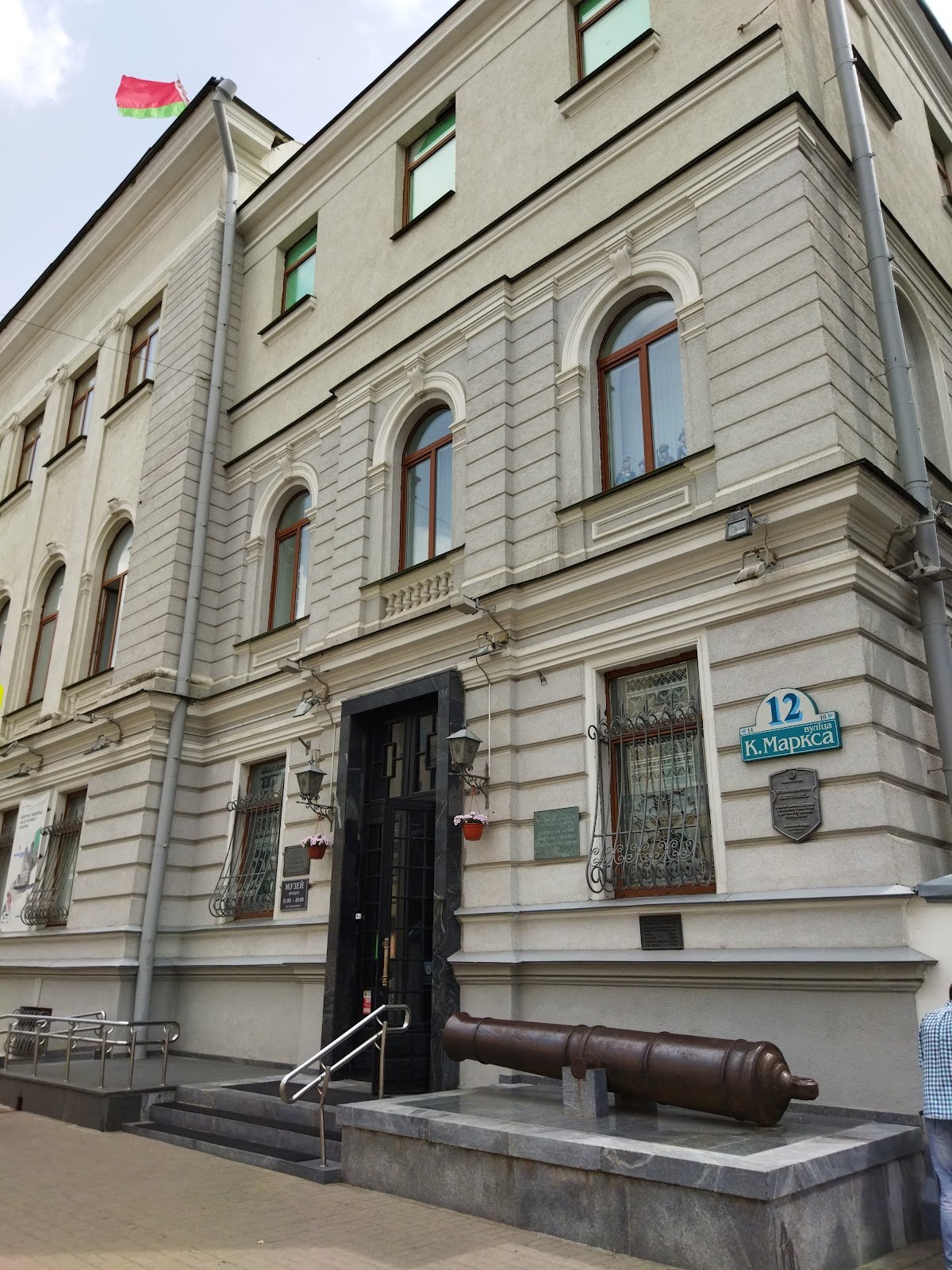
Belarusian National History and Culture Museum

Belarusian National History and Culture Museum

Minsk, Belarus
i

Belarusian National History and Culture Museum

Photo by Alexei Lesin

At the heart of Belarus's cultural tapestry stands the Belarusian National History and Culture Museum, a living gallery of stories from the country’s rural traditions to its proud moments of independence. This landmark bridges centuries, bringing visitors face-to-face with objects and exhibits that shaped Belarusian identity. Whether drawn by curiosity of the country’s past or in search of quiet reflection, every guest leaves with a richer sense of this Eastern European nation.

Visiting Info

Currency
Entrance fee
7 BYN
Hours
Opening hours
Monday: 11:00 AM – 7:00 PM
Tuesday: 11:00 AM – 7:00 PM
Wednesday: 11:00 AM – 7:00 PM
Thursday: 11:00 AM – 7:00 PM
Friday: 11:00 AM – 7:00 PM
Saturday: 11:00 AM – 7:00 PM
Sunday: 11:00 AM – 7:00 PM

Contact Information

Location
Address
vulica Karla Marksa 12, Minsk, Minskaja voblasć, Belarus

Planning your visit

Before setting out, a bit of planning helps maximize the museum experience. Located just steps from Minsk’s Old Town and Victory Square, the museum is easy to reach. Most travelers arrive on foot or by metro, using Niamiha or Kupalaŭskaja stations. Weekends can bring crowds, especially during holiday events, so seeing main exhibits early in the day gives better access to displays and staff. Entry fees are reasonable, but special exhibitions may cost extra. Most areas are accessible, but older sections can have limited elevator access for those with mobility needs.

  • Best time to visit: Late morning or weekday afternoons, year-round; spring and fall bring moderate crowds and comfortable weather.
  • How to get there: Walk from downtown Minsk, or take metro lines to Niamiha or Kupalaŭskaja. Several bus routes also pass nearby.
  • Accessibility: Family and stroller-friendly; main galleries wheelchair-accessible. Some upper floors may require assistance. Rest areas available.
  • Average visit duration: 1.5 to 3 hours covers main displays; allow more time for in-depth tours or archival research.

Must see stuff

The museum impresses with its careful layering of Belarus’s rural, Soviet, and independent eras. Stepping inside, visitors first notice how artifacts and large-scale dioramas immerse guests in scenes of Belarusian daily life. Special corners feature folk costumes and crafts, while handwritten letters and historic weapons highlight the country’s resilience. One gallery brings the story of Belarus’s role in World War II to life, with personal diaries and vivid photography. The museum’s permanent collection changes for holidays, so returning brings new discoveries with each season.

  • Key sights: Medieval armor, traditional farm implements, displays on the Belarusian independence movement, and a striking 19th-century peasant hut installation.
  • Unique experiences: Guided tours sharing stories behind famous artifacts; interactive exhibits like coin-minting and weaving; reserved access to archive materials for history buffs.
  • Photo-worthy locations: The folk costume section with vibrant textiles; panoramic mural depicting Minsk through the centuries; displays of painted Easter eggs known as pisanki.
  • Cultural or historical facts: The museum documents Belarus’s many occupations and struggles for autonomy. Look for exhibits on ancient Principality of Polotsk or local resistance during World War II to appreciate the depth of local pride.

Tips for your visit

Few things spoil a museum visit like sore feet or missed opportunities. To appreciate every corner, comfortable walking shoes work best; floors can be hard. Bringing a camera helps, but flash is not allowed in galleries. Most descriptions are bilingual in Belarusian and Russian, with limited English translations, so downloading a translation app or joining a guided tour is helpful. The on-site gift shop stocks affordable folk crafts, but snacks are limited, so consider eating beforehand. Local custom encourages quiet voices and respect near school groups or during special ceremonies.

  • Best times to avoid crowds: Early weekdays, especially outside of school holidays.
  • What to bring: Water bottle, camera (no flash), translation app, and a notebook for curious learners.
  • Local etiquette and rules: Move quietly through galleries; ask staff before photographing sensitive displays; no eating in exhibit areas.
  • Safety or comfort: Some galleries can be chilly in winter. Cloakrooms are available for coats and bags. Elevators are available in newer wings.