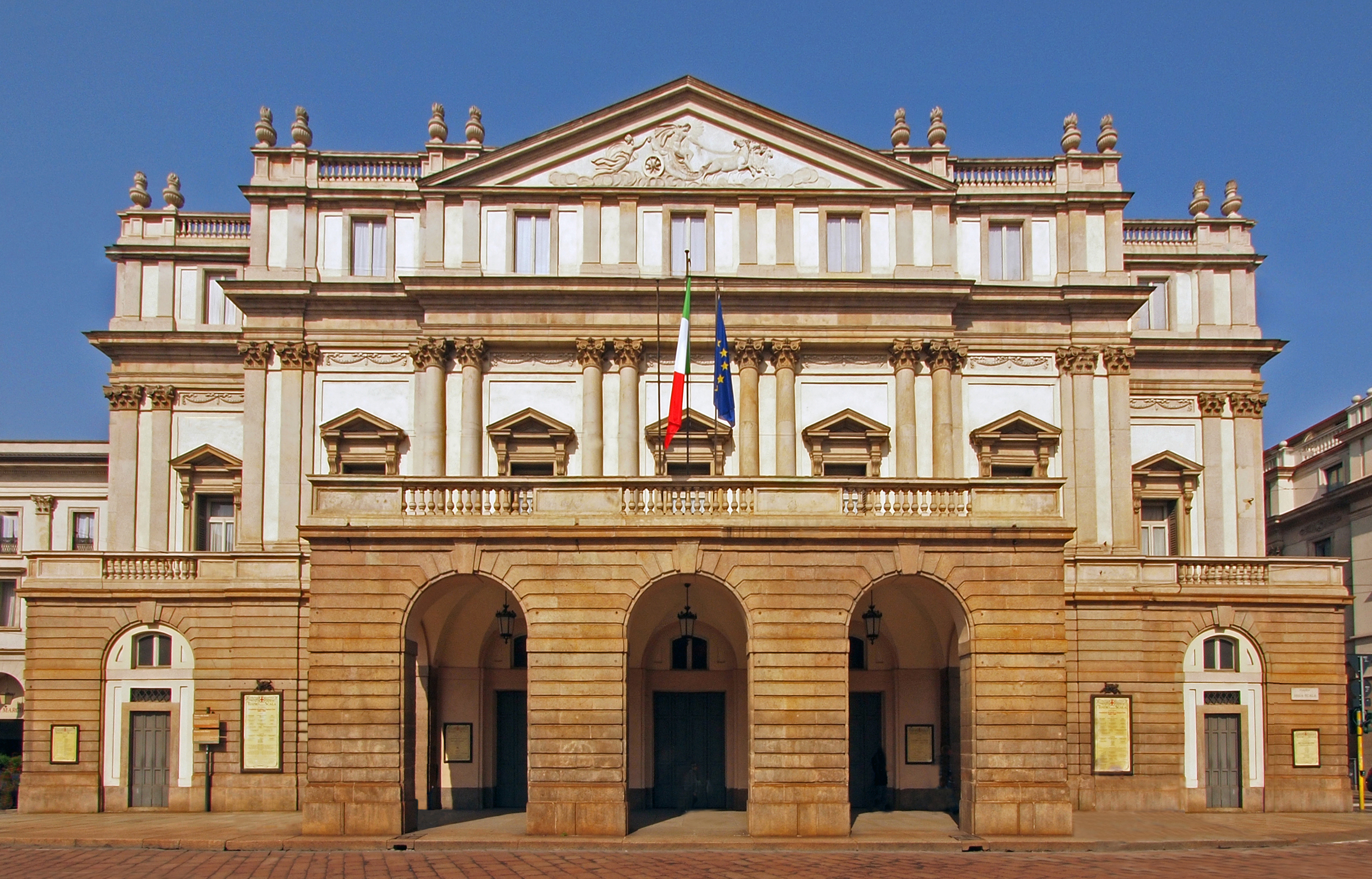
Teatro alla Scala, Milan’s iconic opera house renowned for its grand performances.
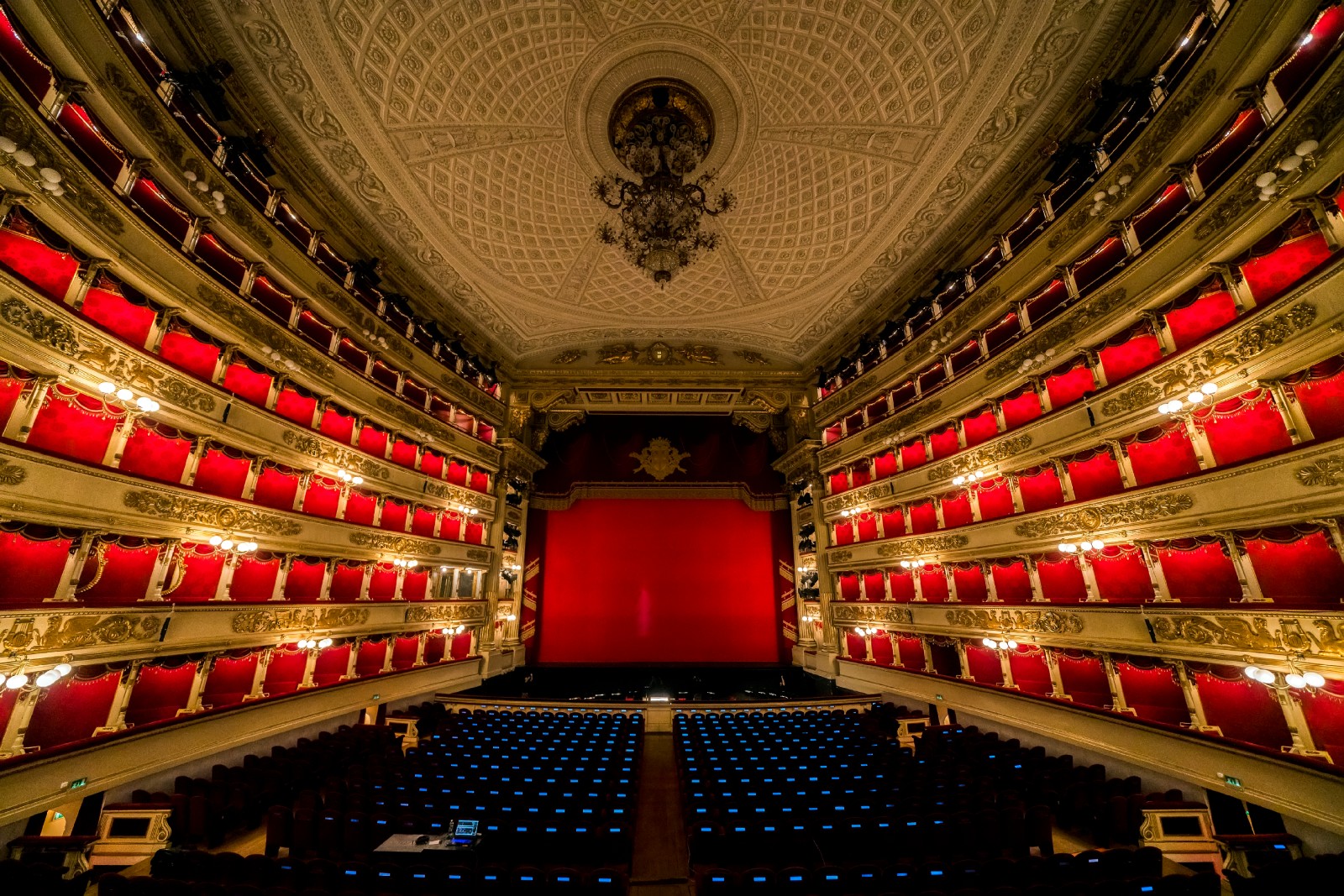
La Scala Theatre, a historic venue celebrated for world-class opera and ballet.

Teatro alla Scala

Milan, Italy
i

Teatro alla Scala, Milan’s iconic opera house renowned for its grand performances.

Teatro alla Scala stands as a symbol of Italian culture, where music, architecture, and history blend into an unforgettable experience. World-class performances echo through elegant halls, and centuries-old traditions come alive, welcoming both seasoned opera fans and curious newcomers. Grand yet accessible, this iconic opera house invites discovery from the first glimpse of its Neoclassical façade to the last note ringing in its golden auditorium.

Visiting Info

Currency
Entrance fee
29 EUR

Contact Information

Location
Address
V. Filodrammatici, 2, 20121 Milano MI, Italy

Planning your visit

An early start or a late evening stroll can help uncover the magic of Teatro alla Scala, avoiding the crowds packed in before major concerts. The opera house sits only steps away from Piazza del Duomo, in the beating heart of Milan, making it easy to reach by tram, metro, or on foot. Concert tickets often sell out fast, and museum entry is time-slotted—booking ahead keeps disappointment at bay. Expect lots of visitors during the opera season from December through early July, though guided tours run year-round and can be less busy on weekdays. Those with mobility needs will appreciate designated seating, ramps, and elevator access throughout main areas.

  • Best time to visit: Late spring and autumn offer smaller crowds, while weekday mornings are quietest
  • How to get there: Metro lines 1 and 3 (Duomo or Montenapoleone stations); trams and buses serve nearby stops
  • Accessibility: Wheelchair-friendly entrances, accessible seating, and amenities for families with children
  • Average visit duration: One hour for the museum, two to four hours including a performance

Must see stuff

Once inside, few places dazzle like the red-and-gold main auditorium, where chandeliers sparkle above polished balconies. The theater’s museum, lined with costumes and portraits, reveals stories of legendary composers like Verdi and Toscanini. Guided tours pause at the Royal Box, perfect for photos or a short daydream about Milanese nobility. Wander across cozy rehearsal spaces or, if timing is good, catch the orchestra during an open rehearsal—less common but worth seeking out. Even the public foyer, filled with soft light and marble trim, feels made for memorable visits. Don’t let the grand scale intimidate; friendly staff and clear signs keep everything welcoming.

  • Main auditorium: Breathtaking horseshoe-shaped theater, a marvel of sound and design
  • Teatro alla Scala Museum: Displays of stage props, instruments, and famous costumes, plus composer memorabilia
  • The Royal Box: Milan’s best photo angle inside the theater; imagine heads of state enjoying a show
  • Hidden rehearsal rooms: Guided tours sometimes include these working spaces—a unique, behind-the-scenes peek
  • Historic facts: Opened in 1778, Teatro alla Scala has hosted world premieres from some of the biggest names in opera and ballet

Tips for your visit

Teatro alla Scala balances old-world tradition with modern comfort, but a few small things make a big difference. Arriving thirty minutes early lets guests browse the grand foyer and check out the theater’s elegant details. Cameras are allowed in the museum and foyer only—keep phones off during performances. Dress codes are more relaxed for guided tours, but matinees and evening shows favor smart-casual attire; a jacket or dress is never out of place. With stairs and crowds between sets, choosing comfortable shoes means more time exploring. Although programs and guides are available in English, listening for Italian phrases adds charm to the visit. Small bags and bottled water are allowed, though large backpacks must stay at the cloakroom.

  • Best times to avoid crowds: Weekday mornings, non-performance days, or just outside peak season
  • What to bring: Camera, compact water bottle, comfortable shoes—opera glasses for keen fans
  • Local etiquette: Applaud at the right moments, avoid eating or loud talking inside the auditorium
  • Safety/comfort tips: Watch for low lighting in old stairwells and be prepared for lines at intermission