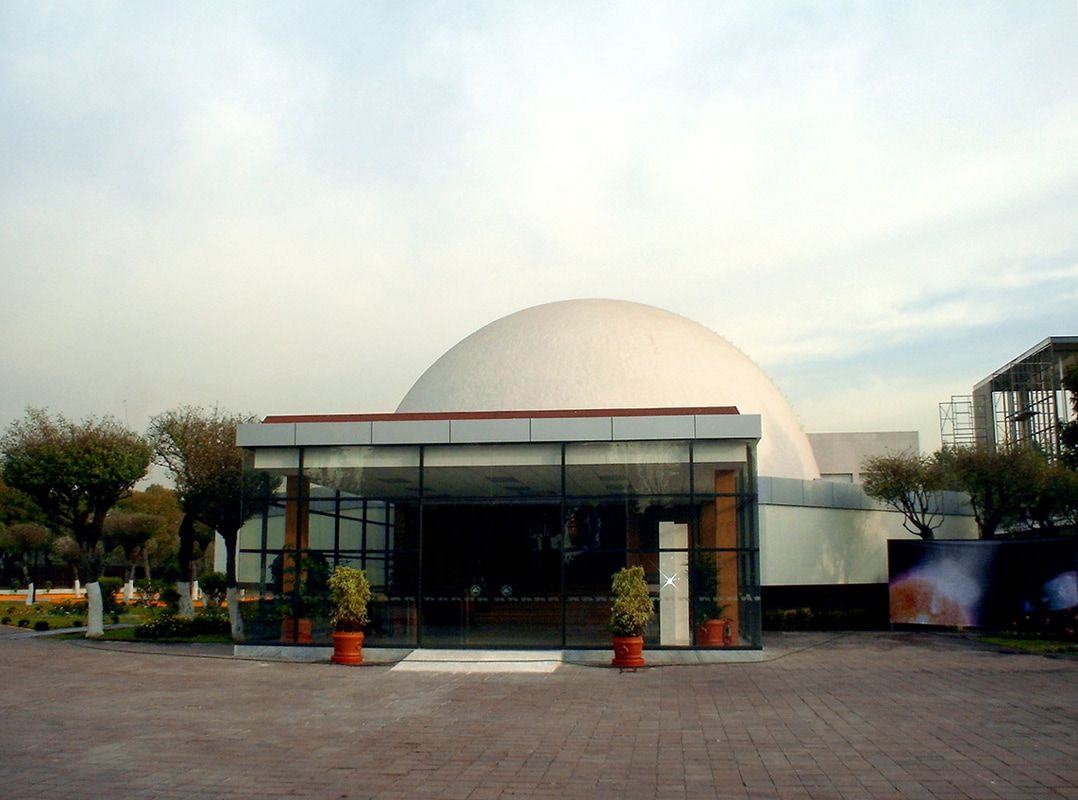
Beautiful view of Planetario Luis Enrique Erro

Planetario Luis Enrique Erro

Mexico City, Mexico
i

Beautiful view of Planetario Luis Enrique Erro

Under the dome of the Planetario Luis Enrique Erro, the cosmos comes alive for visitors both young and old. Mexico's rich tradition of astronomy meets modern science here, blending learning with hands-on discovery. Families, students, and travelers gather to marvel at the mysteries of the universe, right in the heart of a thriving city.

Visiting Info

Currency
Entrance fee
80 MXN
Hours
Opening hours
Monday: Closed
Tuesday: 10:00 AM – 6:00 PM
Wednesday: 10:00 AM – 6:00 PM
Thursday: 10:00 AM – 6:00 PM
Friday: 10:00 AM – 6:00 PM
Saturday: 10:00 AM – 6:00 PM
Sunday: 10:00 AM – 6:00 PM

Contact Information

Location
Address
Av. Wilfrido Massieu 394, Nueva Industrial Vallejo, Gustavo A. Madero, 07300 Ciudad de México, CDMX, Mexico

Planning your visit

Set within the district of Lindavista, Planetario Luis Enrique Erro offers a welcoming escape for anyone curious about space and science. Planning ahead helps, especially during busy school holidays or weekend afternoons when crowds peak. Most arrive by metro or taxi, enjoying an easy walk from the main roads. Tickets are affordable, but some special shows or workshops might require extra fees and advance booking.

  • Best time to visit: Weekday mornings, especially midweek, mean fewer crowds. Early evenings are best for seeing star shows.
  • How to get there: Metro Line 6 to Lindavista station (about a 5-minute walk) or local buses. There’s onsite parking, but it fills up quickly on weekends.
  • Accessibility: The planetarium is wheelchair accessible, with ramps and elevators. Families with strollers or seniors can navigate with ease.
  • Average visit duration: Two to three hours lets most visitors enjoy a show and explore interactive exhibits at a comfortable pace.

Must see stuff

Inside the iconic silver dome, immersive shows transport viewers to distant galaxies, exploring everything from solar flares to black holes. Exhibits cover Mexico’s history of astronomy, featuring ancient Mayan sky charts beside hands-on telescopes. The central courtyard often hosts star-gazing events, while curious minds dive into DIY science stations filled with puzzles and experiments. Plenty of quiet corners invite parents to pause or children to explore at their own speed.

  • Dome Theater: The main attraction, with full-dome digital shows that turn science into an adventure beneath the stars.
  • Solar Observation Patio: Safe solar telescopes let visitors peek at sunspots and solar flares on clear afternoons.
  • Science Hall: Interactive exhibits on everything from gravity to Mexican contributions to astronomy, plus rotating temporary displays.
  • Photo-ready spots: The wide steps at the entrance (with the striking dome background) and the mural walls inside make for memorable snaps.
  • Cultural connections: Discover how pre-Hispanic cultures mapped the cosmos and why Mexico still produces world-class astronomers.

Tips for your visit

A visit runs smoothest with small preparations. Lines for popular shows can form, especially after lunch. Many families linger at the science lab, so early arrivals get the best picks of activities. Snacks are available but limited; bringing a bottle of water and a light snack makes the day more comfortable. Staff are friendly, though sometimes English explanations are less detailed than Spanish ones. The gift shop stocks books and stargazing tools but closes early. Street noise can filter in, yet the excitement inside soon drowns it out.

  • Best times to avoid crowds: Arrive near opening time, or late afternoon on weekdays.
  • What to bring: Water, a small snack, and a camera for photos. Comfortable shoes help for exploring all corners.
  • Local etiquette: Keep voices low during dome shows; no food or drink in exhibit halls.
  • Safety and comfort: Use hand sanitizer stations. Small backpacks are allowed but keep personal items secure.