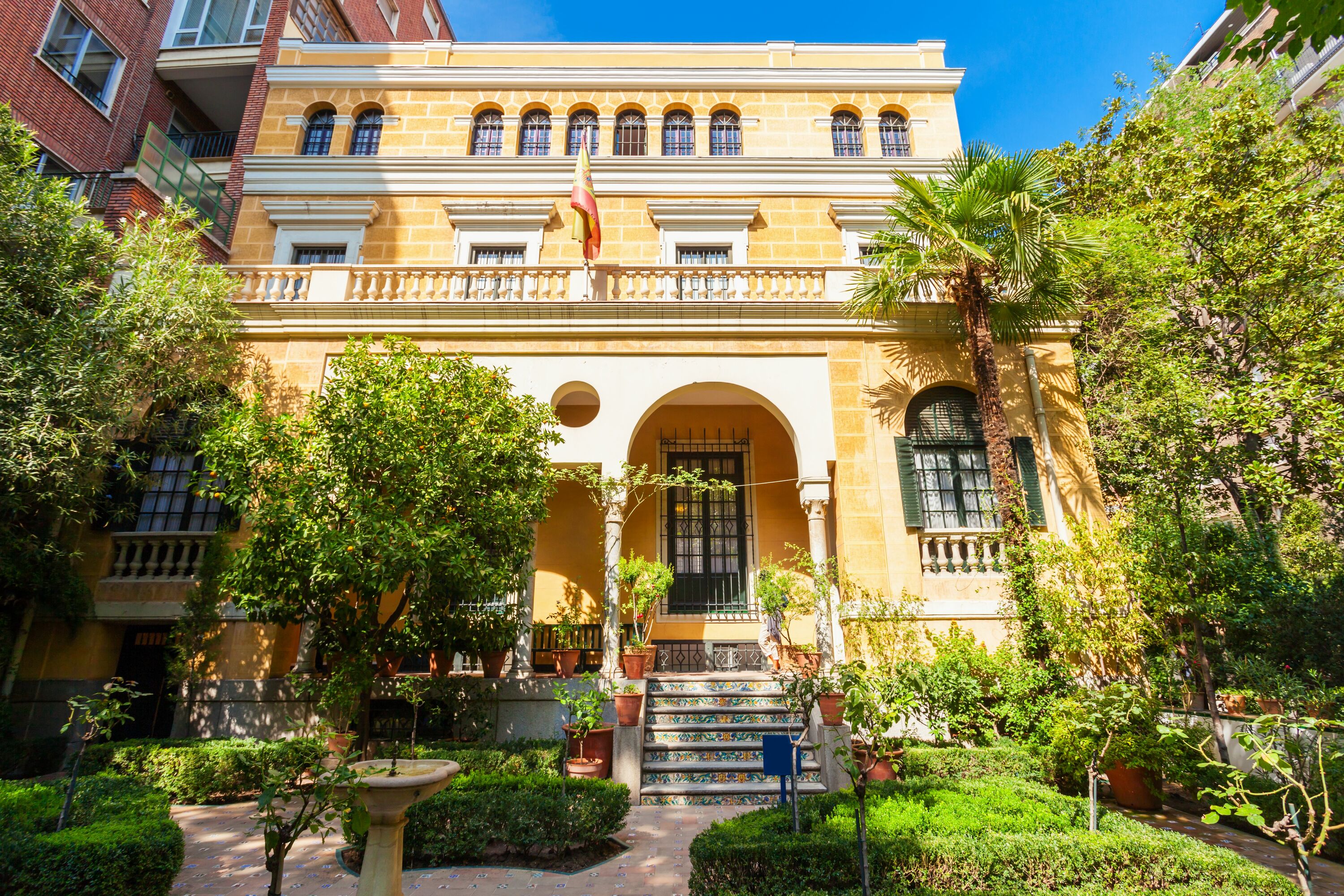
Sorolla Museum, a charming Madrid house showcasing Joaquín Sorolla’s luminous paintings.
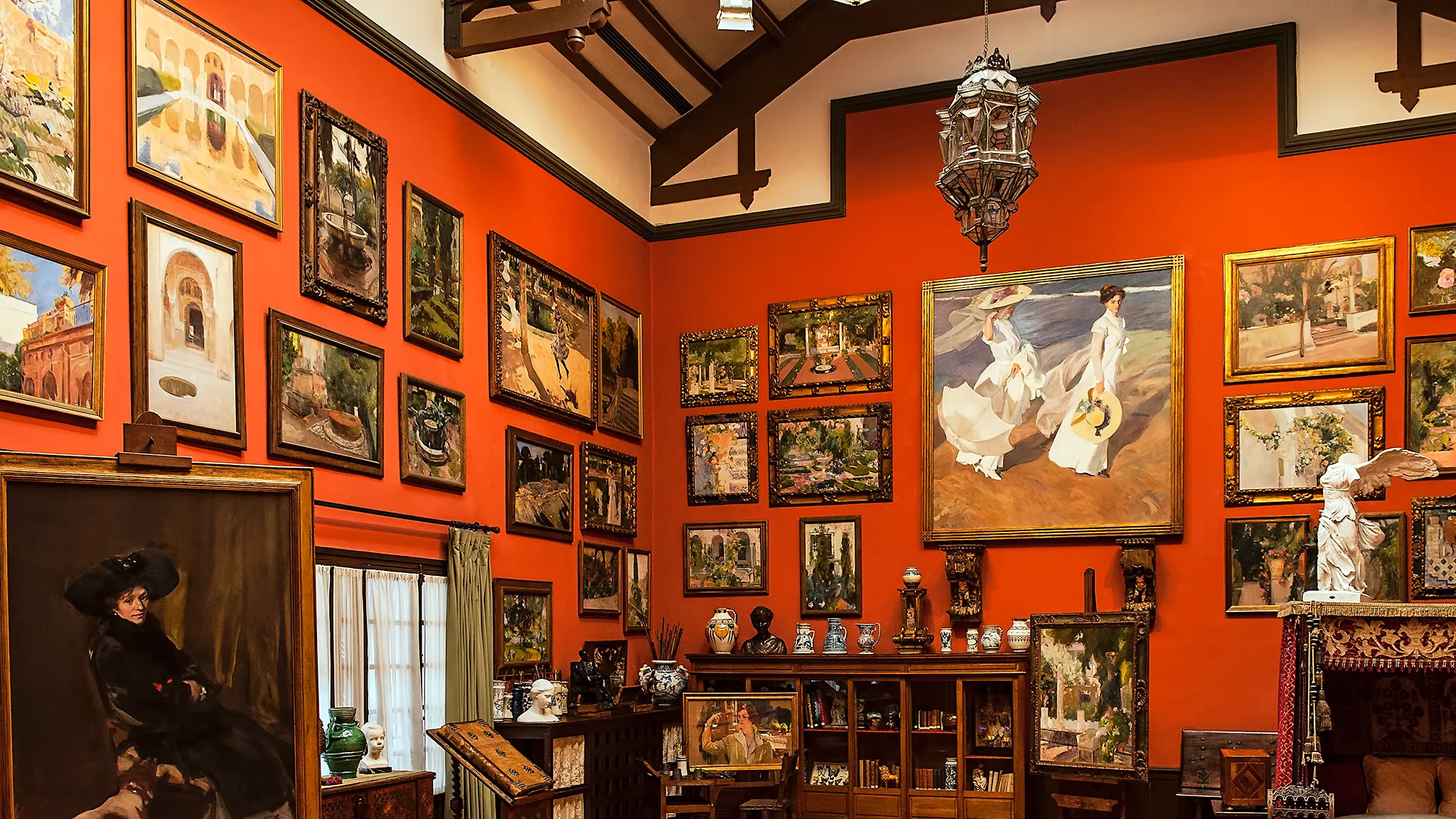
Museo Sorolla, filled with the artist’s works and a serene garden setting.

Sorolla Museum

Madrid, Spain
i

Sorolla Museum, a charming Madrid house showcasing Joaquín Sorolla’s luminous paintings.

Stepping through the doors of the Sorolla Museum, visitors cross the boundary between busy Madrid streets and the tranquil world of one of Spain’s most celebrated painters. This former home and studio preserves the light, color, and delicate domestic calm that made Joaquín Sorolla’s art famous. Intimate yet rich in discovery, the museum offers a vivid glimpse into both creative genius and early 20th-century Spanish life.

Visiting Info

Currency
Entrance fee
3 EUR

Contact Information

Location
Address
P.º del Gral. Martínez Campos, 37, Chamberí, 28010 Madrid, Spain

Planning your visit

Clever travelers know the joys of timing a trip well. The Sorolla Museum, tucked in the genteel Chamberí neighborhood, gets busier during mid-day and holiday periods. Arriving early or later in the afternoon rewards visitors with quieter galleries and garden paths. Compact size means tickets sometimes sell out during peak periods—booking ahead online ensures entry. The museum is close to central metro lines and bus routes, allowing quick access without a long trek from city highlights. Inside, level floors and elevators help families and seniors navigate without fuss, although truly large strollers may require some patience in narrower rooms.

  • Best time to visit: Weekdays in spring or fall, early morning or late afternoon
  • How to get there: Metro Line 1 to Iglesia station, or bus lines 5, 14, or 27—just a short walk from the stop
  • Accessibility: Generally stroller and wheelchair friendly, though some threshold lips exist
  • Average visit duration: 1 to 1.5 hours for most guests

Must see stuff

Sorolla’s studio-home wins hearts with sunwashed walls, hand-painted tiles, and rooms filled with original canvases. Some come for a few iconic paintings—the famous “Strolling along the Seashore” practically glows from one corner. Others savor the collection of sketches, family photographs, and everyday objects that reveal the artist’s working life. The lush Andalusian-inspired garden, designed by Sorolla himself, tempts visitors outside with tangerine trees, tiled fountains, and blue-green shade. Less obvious but equally rewarding, the children’s rooms and private corners bring a personal view of the painter’s family. A few steps off the main hall, rotating exhibits showcase lesser-known works, delving into themes beyond Spanish light and beaches.

  • Signature paintings and studio: Admire top works like "Seashore Walk" and notice the artist’s brushes, palettes, and unfinished canvases left as if Sorolla might return any moment.
  • Garden courtyard: Walk the mosaic-tiled paths, take photos beside the fountain, and spot subtle Moorish patterns among the flowers.
  • Historic architecture details: Look up for stained glass, hand-painted ceilings, and classic Valencian tiles framing each room.
  • Rotating exhibitions: Catch temporary shows presenting sketches, rare studies, or even garments from Sorolla’s time.
  • Cultural context: Discover how Sorolla’s coastal scenes and portraits captured Spain’s optimism in the early 1900s through carefully placed letters, notes, and objects that still sit on desks and mantels.

Tips for your visit

Patience often leads to quiet moments alone with masterpieces, so off-peak hours are worth seeking out. While the museum feels relaxed, there’s delight in bringing a pocket guide or reading labels attentively—small stories and details turn paintings into windows on history. Comfortable shoes save aching legs during long, slow strolls among exhibits. Photography is generally allowed, except in some temporary display zones, but always double-check signs. Staff here kindly answer most questions—many share a fondness for the painter’s legacy. In warm months, carrying a small water bottle helps, as the house can grow stuffy by midday. Direct sunlight draws visitors to the garden benches, though pollen can tickle sensitive noses in spring.

  • Visit early or late: Arriving right at opening or in the last hour before closing usually means fewer crowds.
  • What to bring: Camera or smartphone for photos, reading glasses for detailed captions, and a bottle of water in summer.
  • Local etiquette: Speak quietly, avoid touching furniture or art, and respect roped-off areas—this is still a lived-in home at heart.
  • Comfort advice: The museum is compact but has little seating, so plan to rest in the garden between gallery rooms.
Sorolla Museum – Tickets, Hours & Visitor Guide