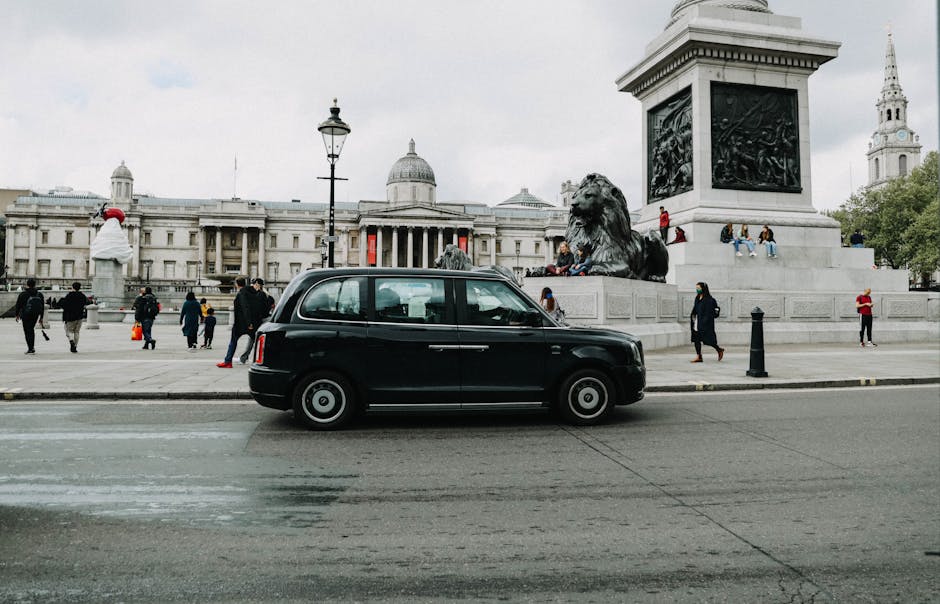
A classic black taxi cab parked in front of London's iconic Trafalgar Square with people and historic architecture.
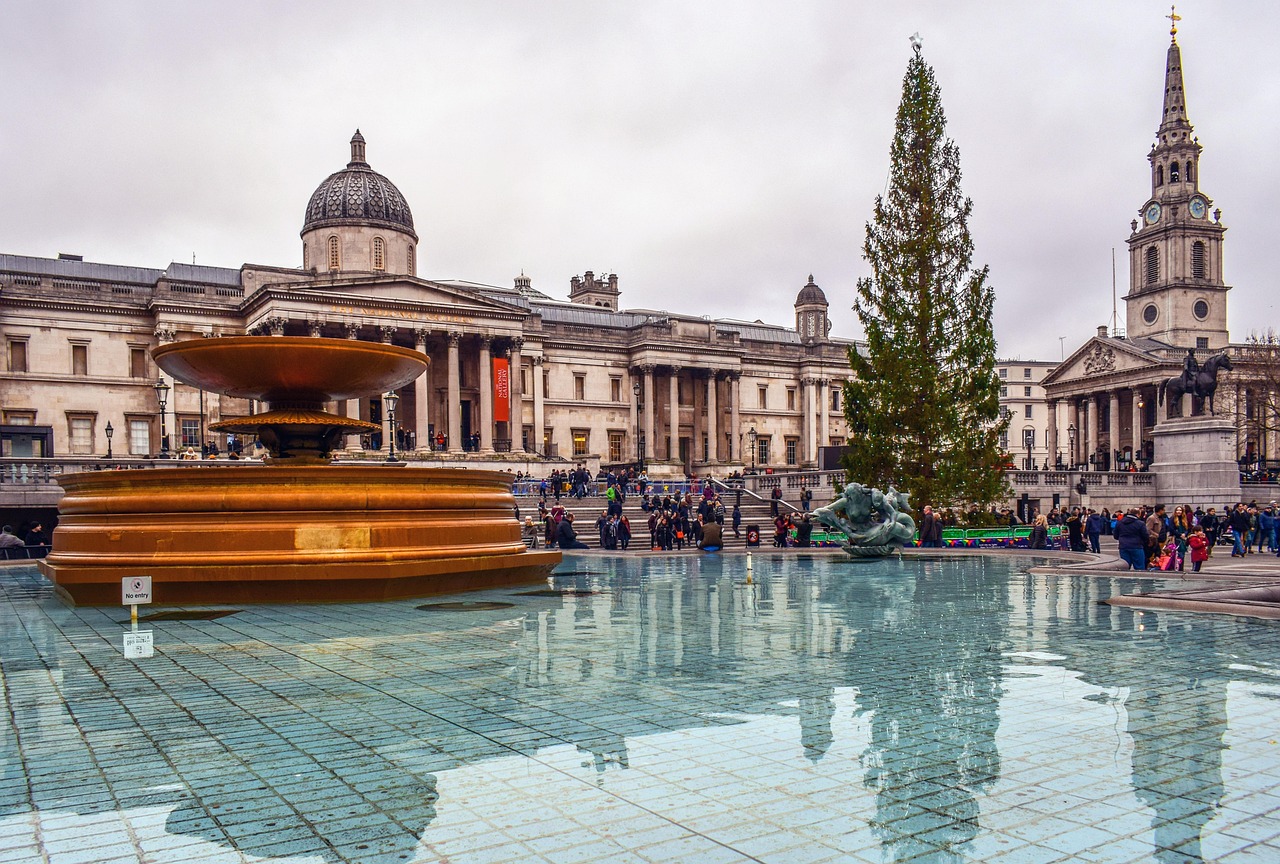
london, trafalgar square, architecture, fountain, reflections, trafalgar square, trafalgar square, trafalgar square, trafalgar square, trafalgar square
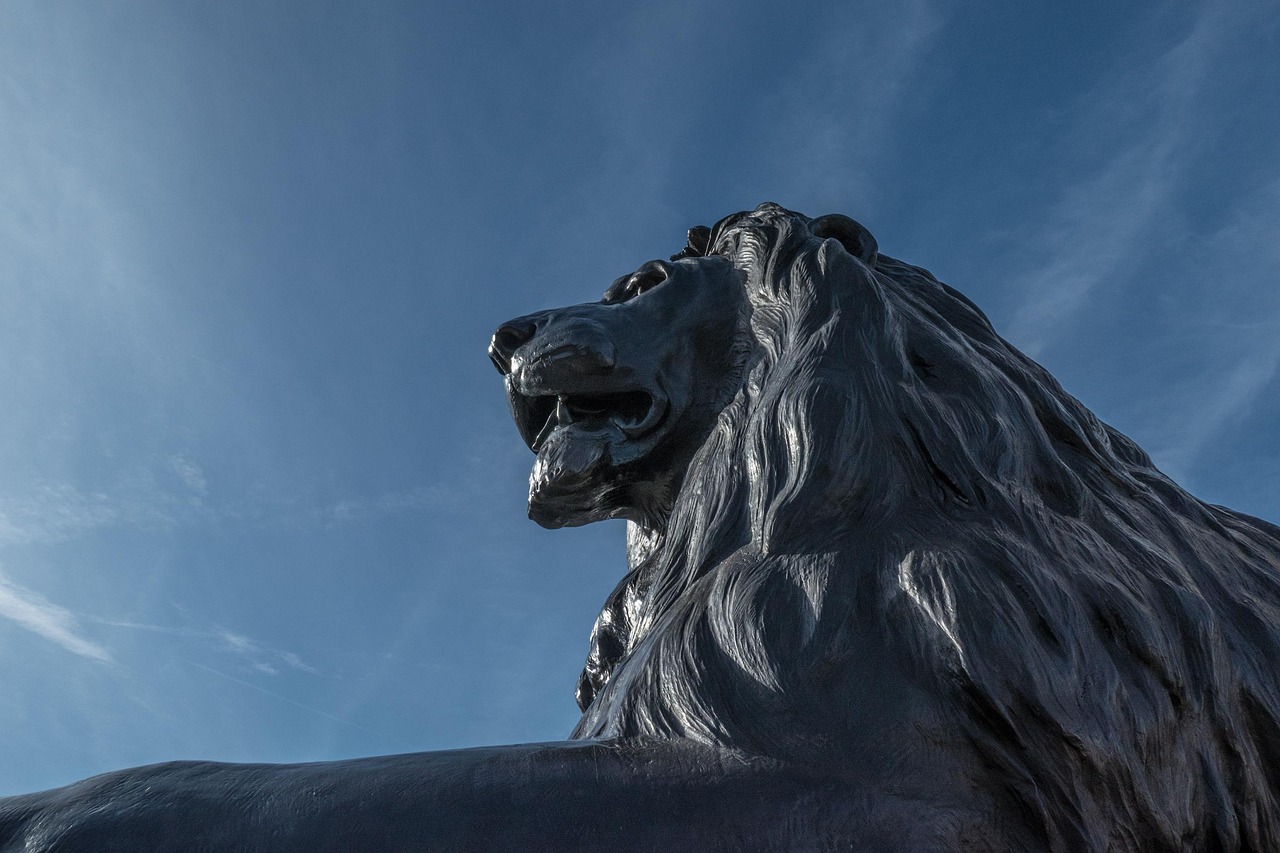
lion, statue, nature, sculpture, monument, predator, courage, london, trafalgar square

Trafalgar Square

London, England
i

A classic black taxi cab parked in front of London's iconic Trafalgar Square with people and historic architecture.

Photo by Yelena from Pexels

Almost every city holds a crossroads where people gather, history lingers, and life feels bigger. Trafalgar Square stands as London’s beating heart—where stately stone, whirling fountains, and the laughter of visitors create a heady rush even before the first photograph is snapped. Marble lions gaze over a constant swirl of artists, musicians, locals on lunch break, and travelers finding their bearings. This is more than a landmark; it’s a living, layered scene, equally suited for slow admiration or a quick, unforgettable detour.

Visiting Info

Currency
Entrance fee
Free

Contact Information

Location
Address
Trafalgar Sq, London, United Kingdom

Planning your visit

Smart planning means getting the most from Trafalgar Square, whether chasing the buzz at midday or seeking calm on weekday evenings. The square does not require an entry ticket. Open air, always accessible, and close to several major attractions, Trafalgar Square draws crowds at nearly all hours—especially on sunny afternoons, during street festivals, or around the winter holidays when lights twinkle brighter than usual. Those comfortable with a little foot traffic will find the energy thrilling, but early-morning or late-evening visits reveal a quieter charm rarely captured in brochures.

  • Best time to visit: Early morning or weekday evenings offer room to wander. Spring and fall promise milder weather without summer’s peak crowds. Nighttime delivers both peaceful scenes and dramatic city lights.
  • How to get there: Charing Cross, Leicester Square, and Embankment tube stations are all a short stroll away. Numerous buses stop around the square. Allow extra time during big city events or marches.
  • Accessibility: Wide, flat plazas around Trafalgar Square allow for relatively easy wheelchair and stroller access. Ramps offer entry to the National Gallery and nearby attractions. Benches, though limited, can be found around the fountains.
  • Average visit duration: Most visitors linger for 30 to 90 minutes. Those visiting nearby galleries or stopping for a meal may spend closer to three hours here.
Must see stuff

With its striking columns, iconic statues, and view-filled steps, Trafalgar Square quickly rewards wanderers who pay attention. At center stage looms Nelson’s Column, rising nearly 170 feet above the flagstone. Around it, bronze lions provide favored perches for photos, while tall fountains cool the square on even the warmest days. The imposing facade of the National Gallery glows gold in late afternoon, holding treasures from Monet to da Vinci just steps from the plaza’s edge. Watch for creative buskers around the north terrace, or climb the steps for statues of George IV and contemporary works rotating atop the Fourth Plinth. The Square transforms from civic monument to open-air performance space with surprising ease.

  • Key sights or features: Nelson’s Column and its four bronze lions; twin fountains; the National Gallery’s impressive entrance.
  • Unique experiences: Climb the steps behind the fountains for evening city views; spot the latest Fourth Plinth art commission (sculptures change every year); pause to watch impromptu musicians or chalk artists.
  • Photo-worthy locations: Between the fountains for dramatic photos with the gallery and city skyline; beside the lions for a classic London keepsake; at dusk, with street lamps flickering to life.
  • Cultural or historical facts: The square was named after Admiral Nelson’s victory at the Battle of Trafalgar in 1805. The iconic lions were sculpted by Sir Edwin Landseer, cast from recycled cannons. For decades, Trafalgar Square has hosted celebrations, protests, and New Year's revelry, making it a living stage for Londoners and visitors alike.

Tips for your visit

Blending in with locals—and sidestepping rookie mistakes—helps any Trafalgar Square visit shine. Comfortable shoes make all the difference; stone pavers stretch farther than they seem and standing invitations await curious feet. While the area buzzes with energy most days, patient exploration pays off—especially for street performances or quieter corners near the church of St Martin-in-the-Fields. On windy days, expect spray from the fountains, and don’t be surprised by sudden rain or the occasional over-friendly pigeon. Eating in the square is allowed, but most bench space fills fast between noon and 2 p.m. Mind the traffic when crossing; crosswalk signals matter here. Some might find the steady crowds overwhelming, yet even short pauses on the lower steps can recharge the spirit.

  • Best times to avoid crowds: Mornings before 10 a.m., or late evenings after 7:30 p.m., especially on weekdays.
  • What to bring: Water bottle, camera, and a lightweight jacket—weather can shift with little warning. A small snack or local pastry is handy if benches are free.
  • Local etiquette or rules: Feed pigeons with caution (large flocks are discouraged); respect performers and don’t block walkways for long photo sessions. Street art is often tolerated but not permanent—enjoy, but don’t add your own.
  • Safety or comfort advice: Keep bags close, especially during festivals or busy weekends. The plaza remains well-lit and lively late, but quieter routes toward Leicester Square might feel less crowded after dark.