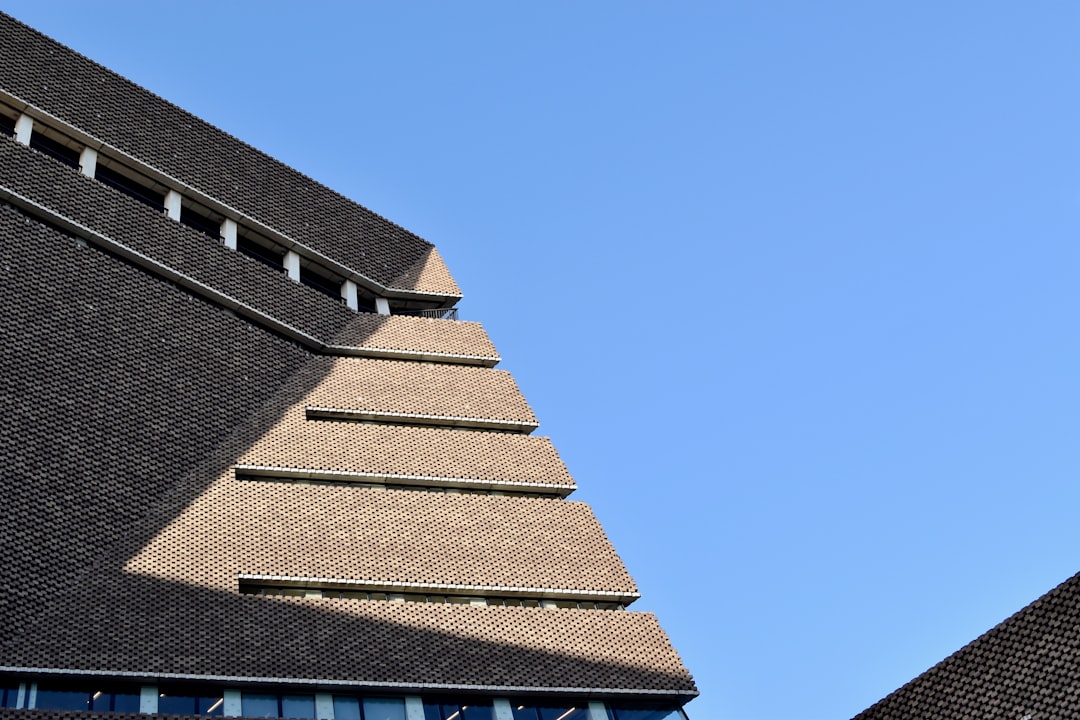
a clock on the side of a building with a sky background
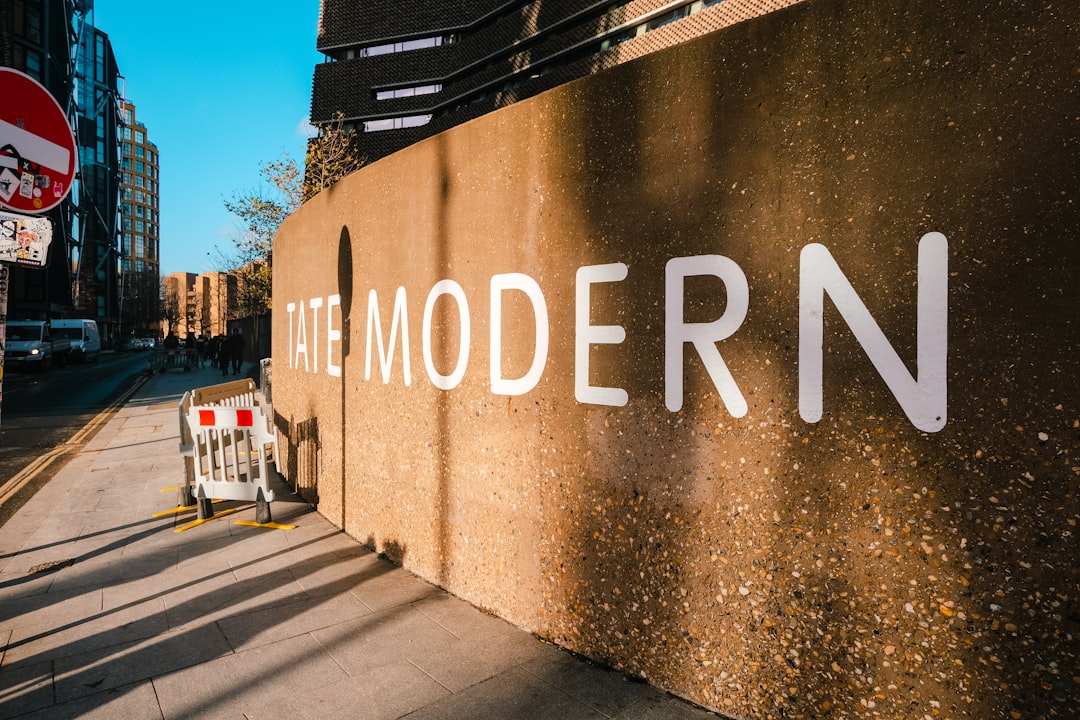
a sign on a wall that says the modern
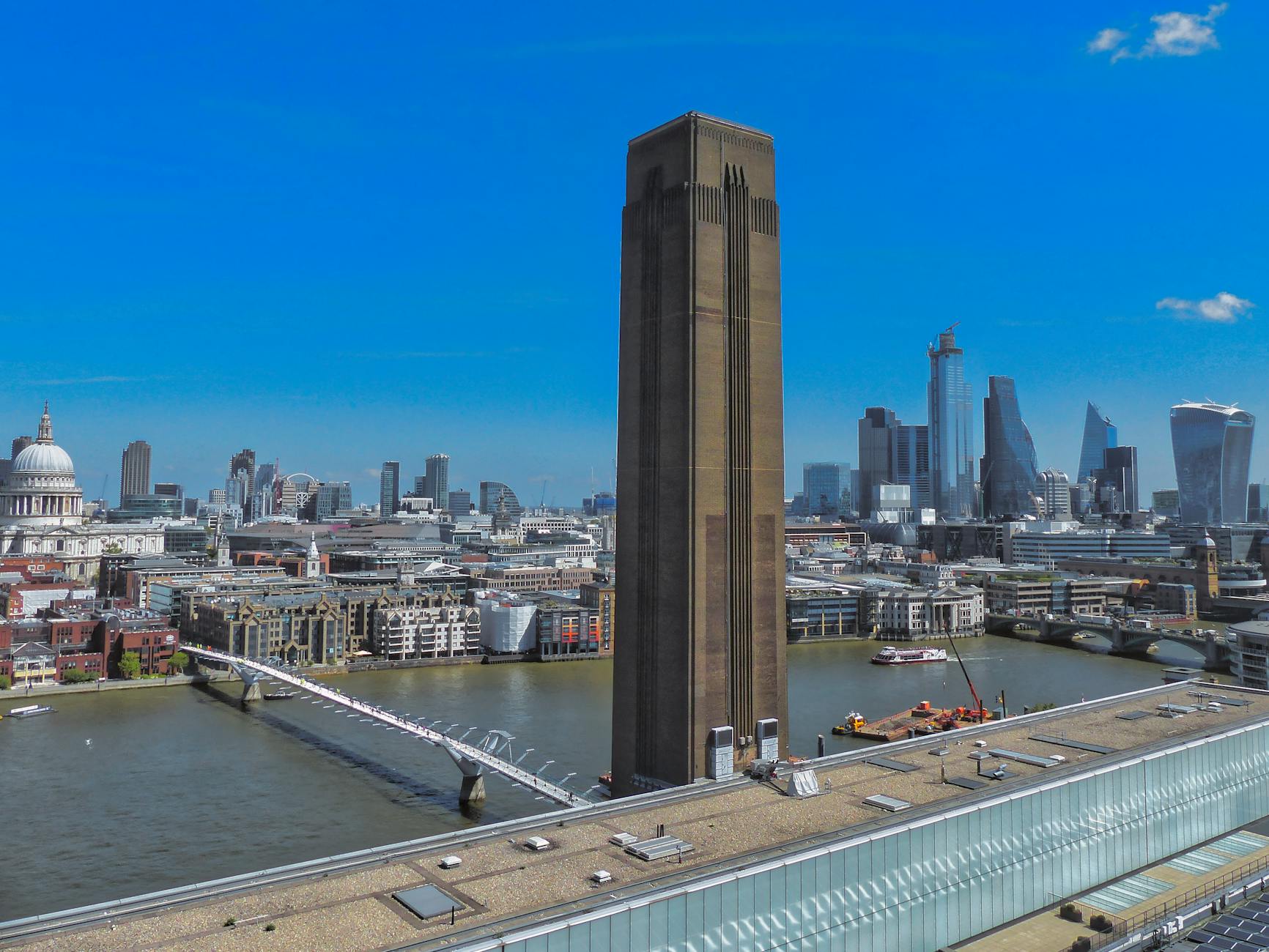
Stunning view of London's skyline with Tate Modern and iconic skyscrapers along the Thames.

Tate Modern

London, England
i

a clock on the side of a building with a sky background

Photo by Samuel Isaacs

Storm clouds drift low over the Thames, and from the riverside walk, an immense brick chimney splits the London sky. Inside, echoes of industrial grit mingle with modern creative flair—every step at Tate Modern stirs the imagination. Both locals and travelers slip past its massive glass doors, searching for inspiration, challenge, or simply a new way to look at the world. More than just a museum, Tate Modern stands as a living crossroads for global art and ideas.

Visiting Info

Currency
Entrance fee
Free
Hours
Opening hours
Monday: 10:00 AM – 6:00 PM
Tuesday: 10:00 AM – 6:00 PM
Wednesday: 10:00 AM – 6:00 PM
Thursday: 10:00 AM – 6:00 PM
Friday: 10:00 AM – 9:00 PM
Saturday: 10:00 AM – 9:00 PM
Sunday: 10:00 AM – 6:00 PM

Contact Information

Location
Address
Bankside, London SE1 9TG, United Kingdom

Planning your visit

Planning a successful trip to Tate Modern means knowing what to expect before even stepping off the train or bus. Crowds gather easily, especially during holidays and weekends, so a little preparation goes a long way. Centrally located on Bankside, Tate Modern offers easy access by foot, bike, or public transit, with generous opening hours but the occasional queue. Those seeking the quietest moments should skip midday and school breaks, aiming instead for early mornings or later afternoons. Entry is free, though some major exhibitions require advance-purchase tickets.

  • Best time to visit: Midweek mornings or late afternoons in spring and autumn
  • How to get there: Take the Underground to Southwark or Blackfriars, then enjoy a short riverside walk or cycle; several bus routes stop nearby, and the Thames Clipper river bus docks at Bankside Pier
  • Accessibility: Wheelchair-friendly entrances, accessible toilets, baby-changing areas, and lift access throughout; assistance dogs welcome
  • Average visit duration: 2–4 hours for highlights, longer for art lovers or guided tours

Must see stuff

Even those who rarely step inside art galleries may find themselves dazzled by Tate Modern’s spaces. The building itself—a converted power station—gives art room to breathe, from the sweeping Turbine Hall to the glass-wrapped Blavatnik Building. Collections shift with the seasons, but several highlights always rise above the rest. Interpretive installations sprawl across concrete floors. Global masterpieces spark debate or delight. Unexpected corners hide stunning Instagram backdrops, while ambitious workshops, talks, and live performances make each visit feel fresh and essential.

  • Turbine Hall: Enormous, ever-changing site-specific installations that break boundaries—the heart of Tate Modern
  • Blavatnik Building viewing level: Sweeping cityscape vistas—some of London’s best views, especially at sunset
  • Artist Rooms: Powerful works from icons like Rothko, Warhol, and Picasso
  • Materials and Objects galleries: Unusual, hands-on exhibits that invite close looks at sculpture, photography, and mixed media
  • Behind-the-scenes guided tours: In-depth chats with art experts—check schedules at the entrance desk
  • Photo spots: Panoramic glass walkways, the riverside terrace, and dramatic staircases offer perfect shooting opportunities
  • Historical insight: Housed in the old Bankside Power Station, the gallery merges London’s industrial past with contemporary artistic energy

Tips for your visit

Every trip to Tate Modern brings discoveries, both artistic and practical. Weekends draw schoolchildren and tourists in busy waves, while cold weekday mornings give the galleries room to breathe. Bags are checked at the door for security, and outside food is discouraged, so visitors should come prepared with only essentials. Sturdy shoes help with the long stretches of concrete floors, and a bottle of water comes in handy, since exhibits can be sprawling. Photography is allowed in most areas, but always check signage. Benches and quiet corners give tired legs a break, while the riverside café offers snacks and people-watching alike.

  • Best times to avoid crowds: Arrive close to opening or within an hour of closing—avoid UK school holidays
  • What to bring: Lightweight bag, camera, refillable water bottle, comfortable shoes
  • Local etiquette: Keep phones on silent; avoid blocking artworks or walkways for long photo shoots; respect artist copyright in special exhibitions
  • Safety and comfort: Stay aware of crowds during peak times; use lockers for heavy bags