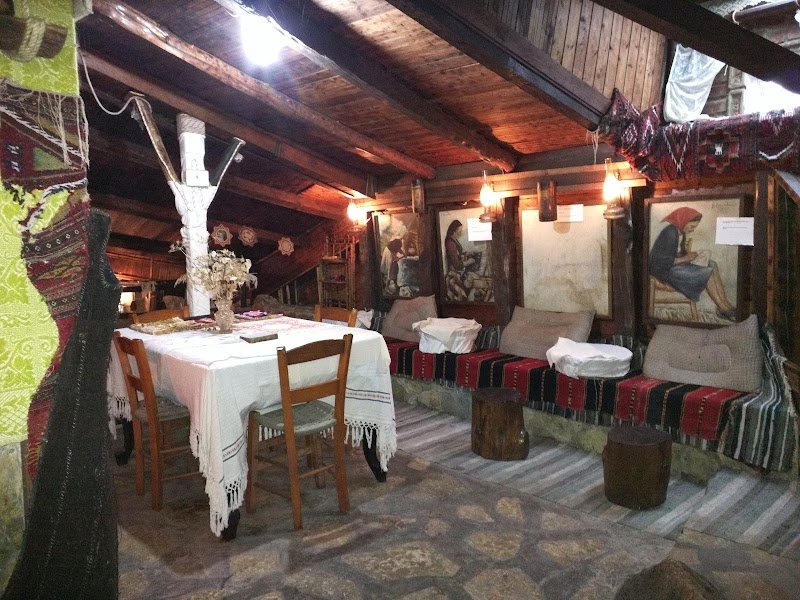
Google Places photo

Folklore Museum of Karya

Lefkada, Greece
i

Google Places photo

Photo by Anastasia Katopodis

Tucked deep in the mountainous heart of Lefkada, the Folklore Museum of Karya offers a rare, immersive window into village life from centuries past. Far from the buzz of seafront resorts, visitors can step across polished stone floors and enter a world shaped by slow crafts, careful traditions, and the proud artistry of local families. Here, every room and display speaks softly of resilience, ingenuity, and the beauty found in everyday moments.

Visiting Info

Currency
Entrance fee
2 EUR
Hours
Opening hours
Monday: 9:00 AM – 6:00 PM
Tuesday: 9:00 AM – 6:00 PM
Wednesday: 9:00 AM – 6:00 PM
Thursday: 9:00 AM – 6:00 PM
Friday: 9:00 AM – 6:00 PM
Saturday: 9:00 AM – 6:00 PM
Sunday: 9:00 AM – 6:00 PM

Contact Information

Location
Address
Karya 310 80, Greece

Planning your visit

A visit to the Folklore Museum of Karya needs a bit of planning, but the payoff is a peaceful, authentic experience. Aim to visit in the morning or late afternoon to avoid crowds and feel the gentle breeze off the mountains. The museum sits in the heart of Karya village, so the journey winds through olive groves and narrow roads—a drive best tackled at a relaxed pace. Parking is free in the main village square, though on market days spaces may fill up early. Expect a friendly welcome at the door, but during summer holidays, tickets can sell out later in the day. Most guests spend about an hour and a half exploring, with extra time for chatting with the curators or lingering over the hand-crafted linens on display.

  • Best time to visit: Spring and early autumn for mild weather; weekdays before 11 a.m. for fewer visitors
  • How to get there: By car from Lefkada Town (30 min); limited local buses reach Karya; taxis available but can be expensive for a round-trip
  • Accessibility: Most rooms are accessible for families and seniors, though some doorways are narrow; strollers and wheelchairs may need assistance
  • Average visit duration: 1 to 1.5 hours

Must see stuff

The heart of the museum lies in its careful recreations of village homes and workshops. Each room is filled with objects once in daily use—delicate embroidery, copper pots, painted chests, and simple looms that speak of skill passed across generations. The star attraction, however, is the intricate Karsanika embroidery, unique to this mountain region and still prized at weddings and festivals today. Visitors can watch local women at work, their fingers flying over threads, creating patterns that echo those seen in old family photographs. Beyond the textiles, the shadowy smithy and the reconstructed farmer’s kitchen paint pictures of hard but joyful days.

  • Key sights: Karsanika embroidery displays; traditional looms; vintage farm tools; village costumes from the 19th and early 20th centuries
  • Unique experiences: Live demonstrations of embroidery or weaving; chance to talk with elders about folk stories and customs
  • Photo-worthy spots: Courtyard with grape arbors and wood benches; colorful displays of festival attire
  • Historical facts: The museum showcases rare examples of Lefkada’s textile heritage, including wedding veils hand-stitched with regional motifs

Tips for your visit

A little know-how goes a long way in making a tour of the Folklore Museum both smooth and memorable. Morning visits tend to be quieter, particularly midweek. Although the museum is not large, its displays reward slow attention, with tiny details easy to miss in a rush. Comfortable walking shoes and a bottle of water make for a better experience, since the nearby village streets are cobbled and local cafés can be busy during weekends. Camera use is welcome, but flash is discouraged in some rooms to protect fragile textiles. Small children may get restless, so a short walk through Karya’s shady plane tree square afterwards is a nice break. The curators are happy to answer questions, but patience is key on busy days. Local etiquette is simple—greet staff with a cheerful "Kalimera," and respect the quiet, almost reverent mood inside the museum rooms.

  • Best times to avoid crowds: Early morning on weekdays, especially outside of July and August
  • What to bring: Comfortable shoes, water, a charged camera, and a sunhat for the walk through the village
  • Local etiquette: Speak softly in exhibition rooms, ask before taking photos of staff or artists
  • Safety or comfort: Some old stone steps may be slippery; help young children and seniors, especially near the entrance