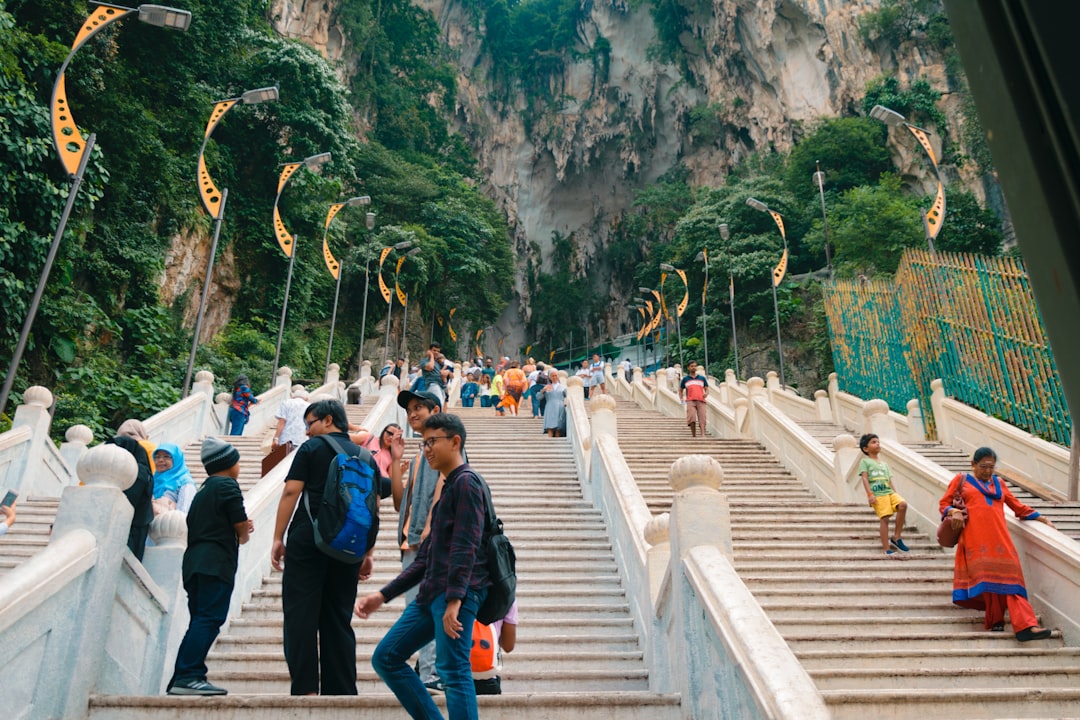
a group of people walking up stairs with Batu Caves in the background
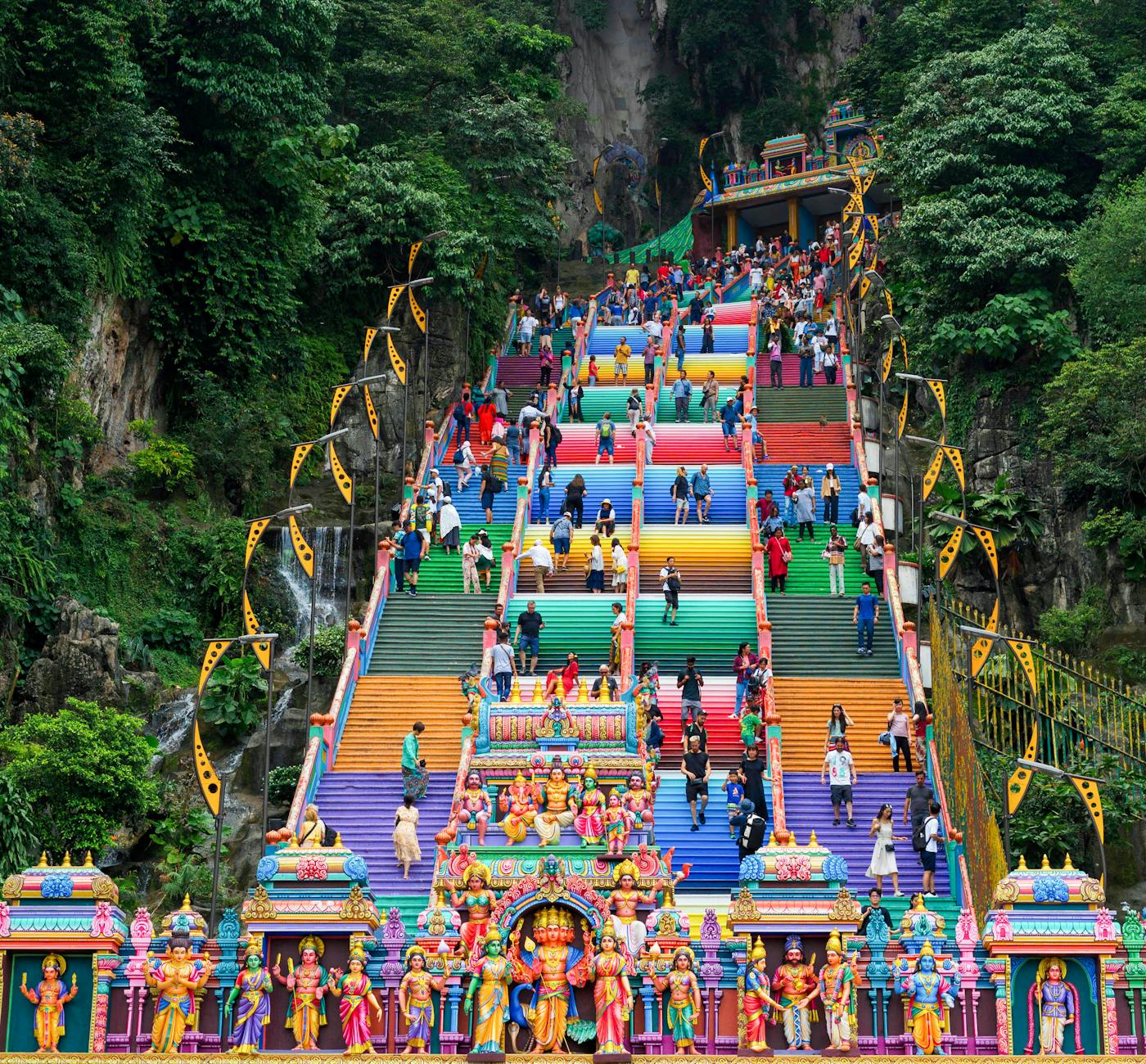
Vibrant stairs leading to Batu Caves in Malaysia with diverse visitors.
Batu Caves in Kuala Lumpur one of the largest Hindu attractions in Malaysia

Batu Caves

Kuala Lumpur, Malaysia
i

a group of people walking up stairs with Batu Caves in the background

Photo by Job Savelsberg

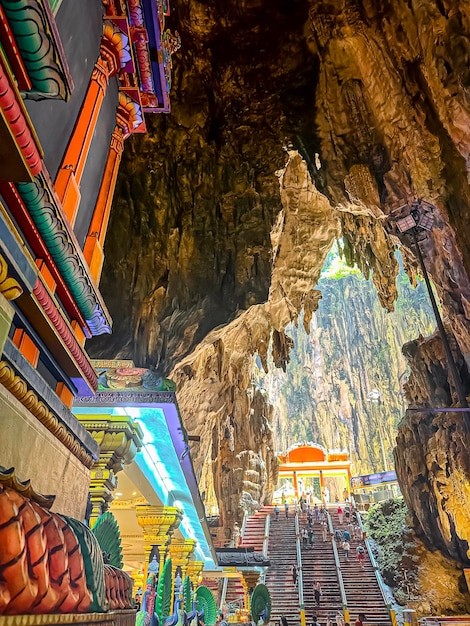
Jutting from a steep limestone cliff, guarded by a golden deity and thrumming with ritual, Batu Caves draws visitors from every corner of the globe. More than a tourist attraction, this site thrums with spiritual energy. Carved temples nestle inside cavernous spaces, monkeys dart along colorful staircases, and daily life mingles with centuries-old tradition. Behind every echo from these ancient rocks lies a story that lingers, long after the crowds depart.

Visiting Info

Currency
Entrance fee
Free

Contact Information

Location
Address
Gombak, 68100 Batu Caves, Selangor, Malaysia

Planning Your Visit

Smart planning can transform a day at Batu Caves from interesting to unforgettable. While the caves welcome visitors all year, the energy shifts depending on timing—some hours buzz with pilgrims and tourists, while other moments bring quiet reflection. Travelers should expect lots of stairs, a patchwork of crowds, and fickle Malaysian weather. Advance preparation helps visitors set their own pace and discover both blockbuster moments and local surprises.

  • Best time to visit: Early morning before 9 a.m. for cooler weather and smaller crowds; avoid late January or early February unless attending the Thaipusam festival.
  • How to get there: Take the KTM Komuter train from KL Sentral directly to Batu Caves station, or use ride-hailing services; parking is available, but fills quickly on weekends.
  • Accessibility: The main temple requires climbing 272 steep steps, which can be challenging for seniors or anyone with mobility concerns; lower shrines and exterior areas offer alternatives for those unable to climb.
  • Average visit duration: Most visitors spend 2–3 hours exploring the main cave and temples. Those joining a tour, hiking or exploring lesser-known attractions should budget half a day.

Must See Stuff

Batu Caves is more than limestone and steps. Each area unveils a distinct piece of local culture, from bright, bustling shrines to dark, echoing chambers and lively markets thrumming with music. While the giant golden statue of Lord Murugan immediately grabs attention, smaller gems dot the complex—each one adding color and context to Malaysia’s Hindu community.

  • Key sights or features: Lord Murugan Statue (one of the tallest Hindu statues in the world), Cathedral Cave (Temple Cave), Ramayana Cave with glowing story panels, and the Art Gallery Cave filled with intricate murals.
  • Unique experiences: Climbing the rainbow-colored 272 steps, joining a guided cave exploration (including the educational Dark Cave tour), witnessing chanting or offerings during Hindu ceremonies, and spotting wild macaques along the paths.
  • Photo-worthy locations: The main staircase at sunrise or sunset, ornate golden temple facades, the sweeping view from the cave entrance, and intimate details like flower garlands or painted shrines.
  • Cultural or historical facts: Batu Caves has hosted Thaipusam festivities for over a century, drawing nearly a million participants. The site’s limestone is estimated to be over 400 million years old—older than many civilizations.

Tips for Your Visit

A successful trip to Batu Caves depends on smart choices and a dash of local knowledge. From handling persistent macaques to picking the right shoes, details make the difference. A little courtesy and foresight go a long way in this sacred, lively space.

  • Best times to avoid crowds: Arrive before 9 a.m. on weekdays; avoid major religious holidays unless drawn by the spectacle.
  • What to bring: Comfortable walking shoes, bottled water, sun protection, a hat, and a modest cover-up for visiting temples. Cameras are a must, but keep valuables close.
  • Local etiquette or rules: Dress modestly—cover shoulders and knees inside temple areas. Remove shoes when entering shrines. Avoid feeding monkeys and do not bring food out in the open.
  • Safety or comfort advice: The steps can be slick after rain; hold handrails and watch for monkeys on the rails. Rest spots are few—take breaks as needed. Facilities are basic, but restrooms and stalls are near the main entrance.
Batu Caves – Tickets, Hours & Visitor Guide