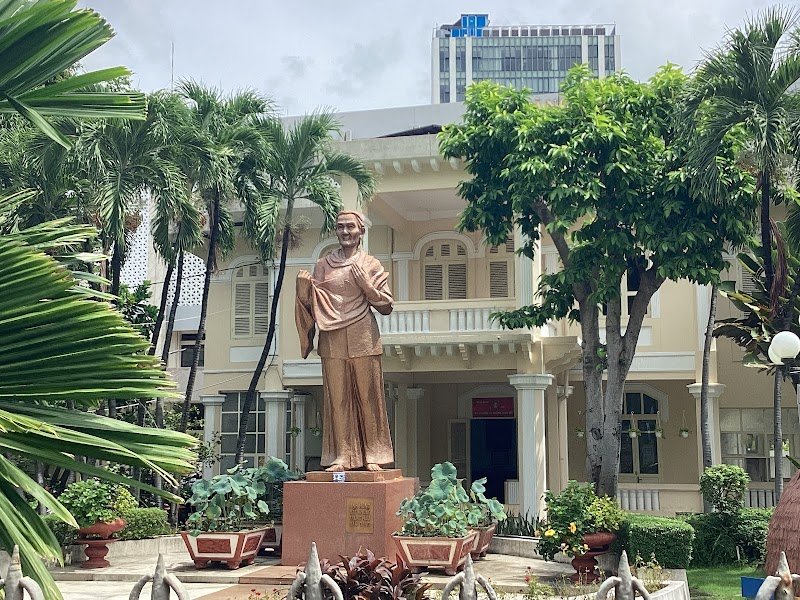
Google Places photo

Southern Women's Museum

There is a place in Ho Chi Minh City where time seems to slow, opening doors into Vietnam’s rich, untold tales. The Southern Women’s Museum serves as both a cultural anchor and a mosaic of living history. Through its galleries and small details, the landmark honors the resilience and creativity of Vietnamese women across generations. More than a showcase of costumes and artifacts, the museum weaves visitors into stories of courage and quiet transformation, inviting thoughtful exploration far beyond a typical exhibit walk.

Visiting Info

Currency
Entrance fee
30000 VND
Hours
Opening hours
Monday: 7:30 – 11:30 AM, 1:30 – 5:00 PM
Tuesday: 7:30 – 11:30 AM, 1:30 – 5:00 PM
Wednesday: 7:30 – 11:30 AM, 1:30 – 5:00 PM
Thursday: 7:30 – 11:30 AM, 1:30 – 5:00 PM
Friday: 7:30 – 11:30 AM, 1:30 – 5:00 PM
Saturday: 7:30 – 11:30 AM, 1:30 – 5:00 PM
Sunday: 7:30 – 11:30 AM, 1:30 – 5:00 PM

Contact Information

Location
Address
202 Võ Thị Sáu, Phường Võ Thị Sáu, Xuân Hòa, Hồ Chí Minh, Vietnam

Planning your visit

The Southern Women’s Museum sits just outside downtown Ho Chi Minh City, tucked along a leafy street where motorcycles and bicycles whir by. Timing matters. The museum rarely feels overpoweringly busy, but weekday mornings remain quieter than weekends, perfect for those seeking unhurried exploration. Tickets can be purchased at the modest front desk—no need for advance booking unless a special event fills the calendar. Just inside the entrance, friendly staff offer directions and a simple pamphlet in English, Vietnamese, or French.

  • Best time to visit: Cool season (December–March), early morning (8:00–10:00am) or just after lunch for fewer groups
  • How to get there: A short taxi or Grab ride from District 1; bus lines stop a few blocks away; parking for scooters available
  • Accessibility: Level entry and ramps in most exhibit areas; elevator to upper floors for strollers and wheelchairs
  • Average visit duration: About 1–2 hours for most guests; in-depth exploration may take longer

Must see stuff

The museum’s exterior hardly hints at the stories within. Step inside to find a clean, light-filled atrium and friendly, welcoming faces. Each floor holds its own themes, drawing visitors into Vietnam’s struggles for independence, daily life, and changes over generations. The main exhibit halls brim with textiles, hand-woven accessories, striking portraits, and remnants of war soaked with memory. Upstairs, special exhibitions rotate each season, often featuring local artists or rare archival photos. Don’t miss the quiet back garden, a peaceful retreat from the city, shaded with frangipani and dotted with old marble benches.

  • Traditional costume displays: See ornate ao dai, festival hats, and wedding attire from Vietnam’s southern provinces
  • War stories and resistance corner: Real diaries, letters, and household objects reveal hidden roles of women during Vietnam’s wars
  • Mother’s Memorial Wall: A moving tribute covered in photos and family donations, telling personal tales of survival
  • Interactive workshops and crafts: Sometimes small groups gather for embroidery, food-tasting, or calligraphy—check the schedule at the entrance
  • Photo spots: The steps outside, the vintage kitchen exhibit, and the garden fountain each offer memorable backdrops
  • Historical context: Learn how Vietnamese women shaped their communities, often under impossible odds

Tips for your visit

While the Southern Women’s Museum offers shelter from Saigon’s noise, even its halls fill with lively groups during school trips and holidays. Plan ahead for comfort and deeper exploration. Exhibits use a mix of languages, so English-language cards help but sometimes leave gaps; the touching objects and imagery more than make up for any translation gaps. Restrooms are tidy and centrally located. A small café cart sometimes operates downstairs—don’t expect a feast, but cold water and sweet Vietnamese coffee provide a welcome break.

  • Early weekday mornings: Best to avoid larger student groups and tour buses
  • What to bring: Camera, small notebook, refillable water bottle, lightweight shawl for sun or rain
  • Local etiquette: Speak softly, step aside for elderly visitors, refrain from touching textiles and memorials unless an exhibit invites it
  • Comfort: The museum’s air-conditioning is reliable but modest; dress for Saigon’s heat, especially in summer months