Google Places photo

Ho Chi Minh Communism Museum

i

Google Places photo

Photo by phong nguyen xuan

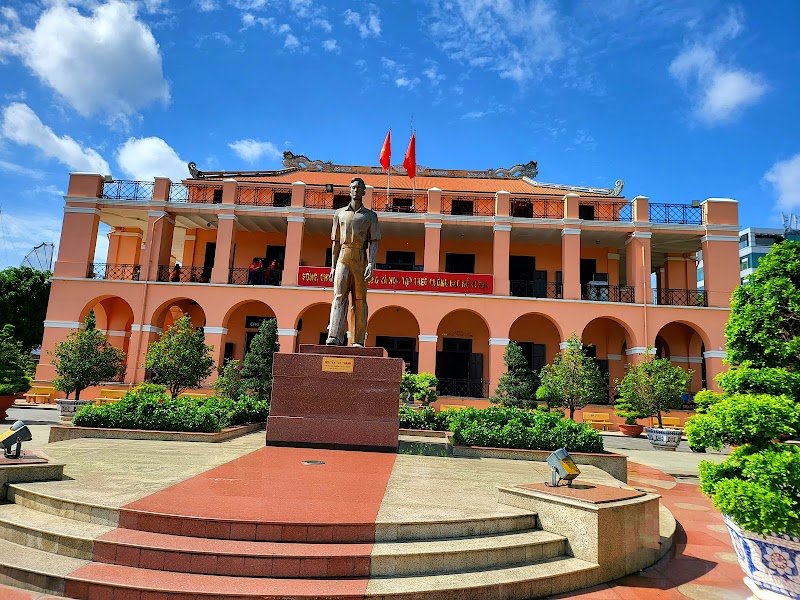
History feels tangible at the Ho Chi Minh Communism Museum. This landmark offers an up-close view of Vietnam’s revolutionary past, inviting visitors to walk through the ideas, artifacts, and echoes of the nation’s profound journey through communism. Whether seeking to understand ideology or just looking for a glimpse of the real Vietnam, this museum captures a crucial chapter of world history inside purposeful architecture and engaging displays.

Visiting Info

Currency
Entrance fee
40000 VND
Hours
Opening hours
Monday: 7:30 – 11:30 AM, 1:30 – 5:00 PM
Tuesday: 7:30 – 11:30 AM, 1:30 – 5:00 PM
Wednesday: 7:30 – 11:30 AM, 1:30 – 5:00 PM
Thursday: 7:30 – 11:30 AM, 1:30 – 5:00 PM
Friday: 7:30 – 11:30 AM, 1:30 – 5:00 PM
Saturday: 7:30 – 11:30 AM, 1:30 – 5:00 PM
Sunday: 7:30 – 11:30 AM, 1:30 – 5:00 PM

Contact Information

Location
Address
1 Đ. Nguyễn Tất Thành, Xóm Chiếu, Hồ Chí Minh, Vietnam

Planning your visit

A trip to Ho Chi Minh Communism Museum deserves some advance thought. While walk-ins are possible, timing matters for both comfort and depth of experience. The museum gets busiest on weekends and mid-mornings, when school groups and local families step through the gates. Early weekday mornings or late afternoons bring calmer halls and an easier pace for those lingering over placards and photographs. Conveniently situated in District 1, the museum is easy to reach from most of Ho Chi Minh City’s major hotels and neighborhoods via taxi, motorbike, or city bus. Low entrance fees make a visit accessible for most, though the museum’s well-worn stairs and older displays may not suit those needing full mobility access in all areas. Plan for extra time to soak in details, especially for travelers drawn to stories behind the exhibits.

  • Best time to visit: Weekday mornings or late afternoons during the dry season (December to April)
  • How to get there: By taxi, Grab car, or public bus from District 1 or Pham Ngu Lao; motorbike parking available nearby
  • Accessibility: Basic access for families and those with moderate mobility; some steps and older sections present challenges for wheelchairs and strollers
  • Average visit duration: 1.5 to 2 hours for highlights, longer for history enthusiasts

Must see stuff

The museum’s collection unfolds across airy galleries filled with banners, photographs, and historical keepsakes. Large murals and period propaganda posters hang along the broad halls, plunging visitors into decades of struggle and transformation. At the heart of the museum stands a replica of Ho Chi Minh’s humble stilt house, offering a glimpse into the daily life of Vietnam’s revolutionary leader. Down quieter corridors, visitors can discover rooms filled with hand-written letters, worn military uniforms, and period radios—small details that make history feel remarkably close. Don’t miss the documentary screening room, where vintage footage brings context to exhibits. Upstairs, sweeping city views from old balcony windows add a serene moment of reflection, and the outdoor gardens make a peaceful pause after the intensity inside. Each area carries its own impact, but together, these spaces invite a deeper understanding of both ideals and daily reality.

  • Key sights: Ho Chi Minh’s stilt house replica, wide-ranging propaganda posters, interactive exhibit rooms, personal relic displays
  • Unique experiences: Guided history tours (English and Vietnamese available), quiet corners with local guests sharing stories, documentary screenings on Vietnam’s 20th century
  • Photo-worthy locations: Main propaganda mural in the central hall, leafy garden outside, balcony with city backdrop
  • Cultural facts: Many artifacts were donated by locals, creating a blend of official and personal perspectives on communism’s influence in Vietnam

Tips for your visit

Smart planning helps make the most of a museum visit—both for enjoying the sights and for navigating busy times. Visiting outside school group hours or on weekday mornings brings a quieter, more focused atmosphere. Inside, air conditioning can be uneven, so lightweight clothing and a refillable water bottle prove practical. Display signs provide English translations, but some remain limited, so having a translation app handy smooths over language gaps. Photography is allowed in most areas, though flash use and videos are restricted out of respect for private exhibits. Some halls echo with bustling student voices, while others stay hushed and reflective. For families, nearby cafes and gardens offer a chance to unwind after exploring.

  • Best times to avoid crowds: Arrive early on weekdays or after 3 PM
  • What to bring: Comfortable walking shoes, water, camera (no flash), basic translation app if interested in deeper detail
  • Local etiquette: Observe posted photo rules, avoid loud conversations in the documentary room, and treat historical relics with care
  • Safety/comfort advice: Mind low stair rails and occasional uneven steps; rest outdoors on benches in the shade if halls grow crowded