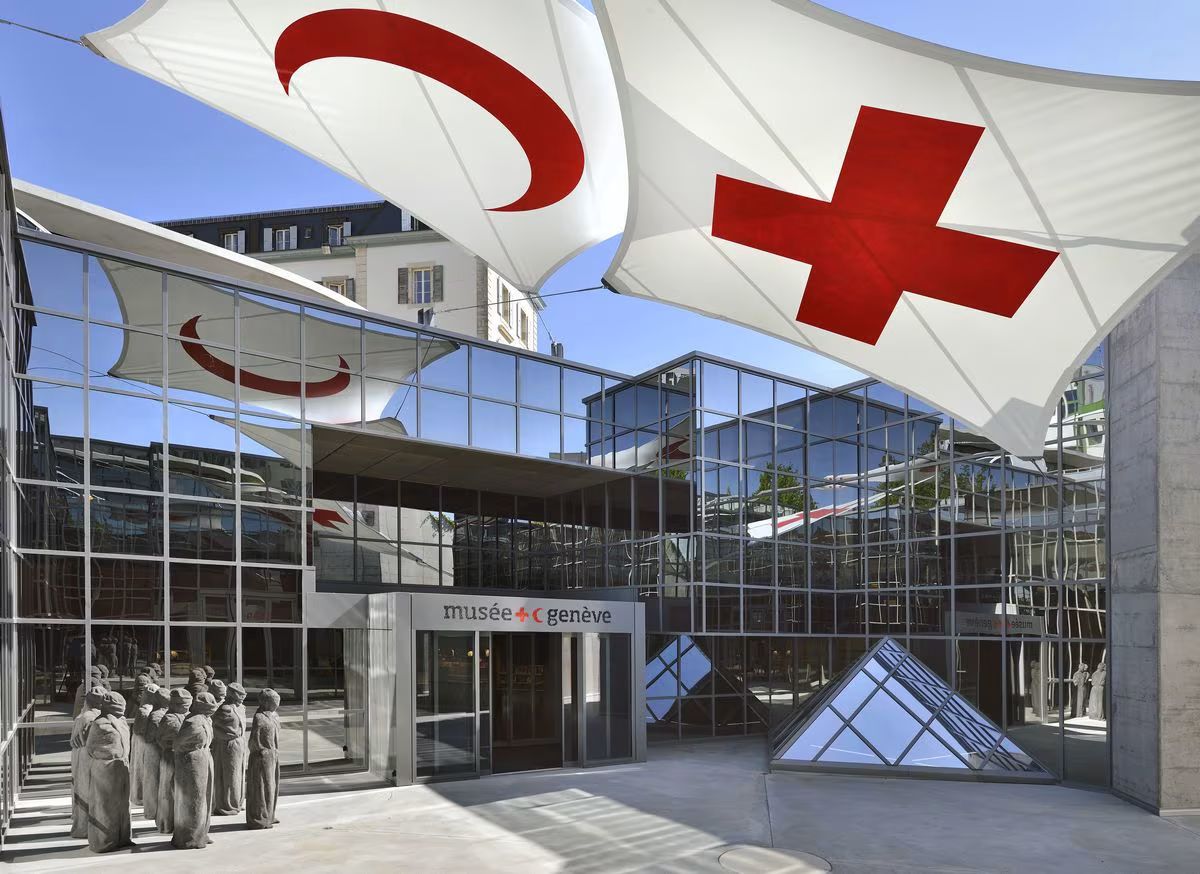
International Red Cross Museum, exploring humanitarian missions and global impact through interactive exhibits.
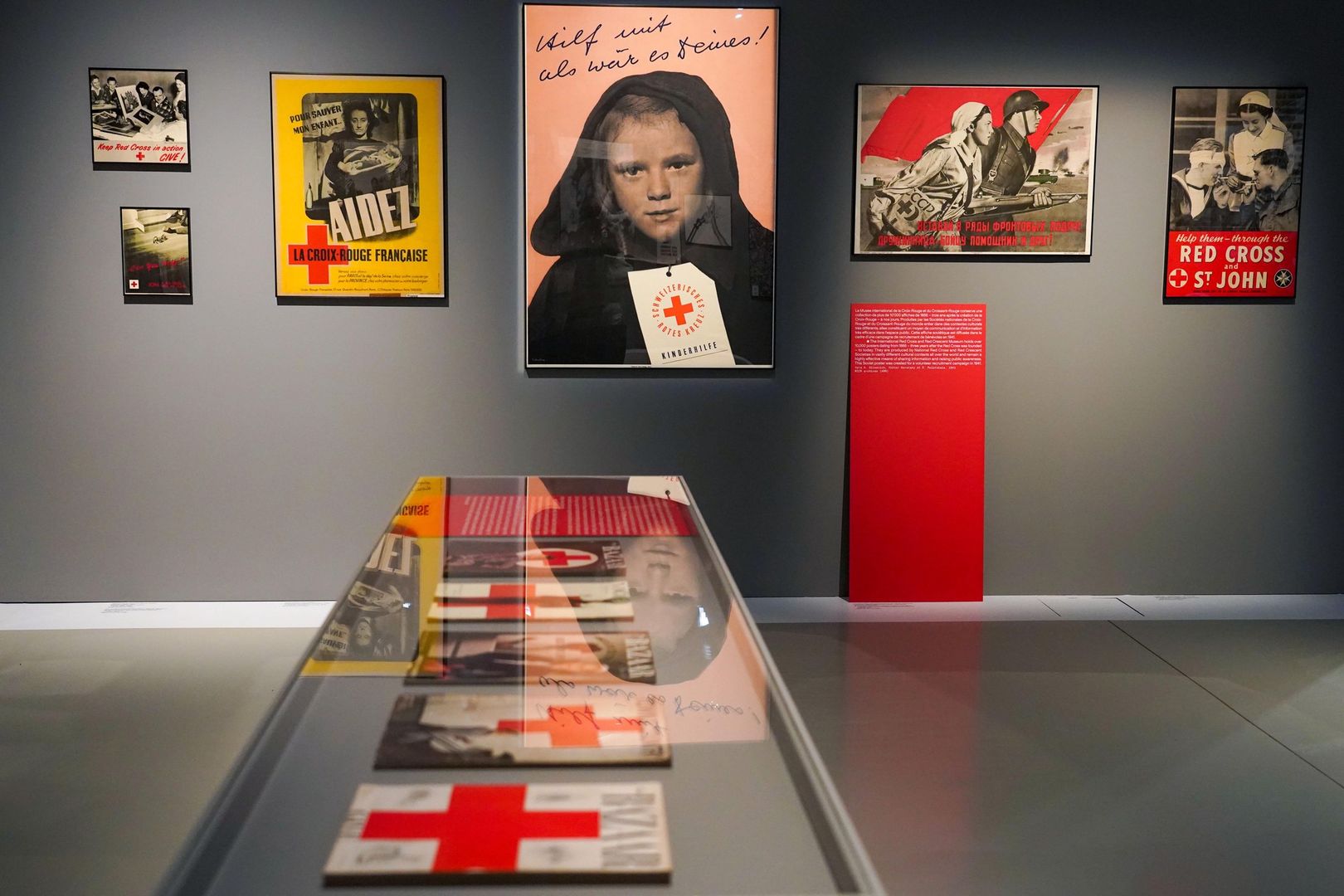
International Red Cross Museum, engaging displays on history, relief efforts, and human compassion worldwide.

Musée International de la Croix‑Rouge et du Croissant‑Rouge

Geneva, Switzerland
i

International Red Cross Museum, exploring humanitarian missions and global impact through interactive exhibits.

Set on the leafy grounds opposite the United Nations, the Musée International de la Croix‑Rouge et du Croissant‑Rouge offers more than just museum displays—it invites visitors deep into the humanitarian spirit. The museum’s architecture blends into its quiet Geneva neighborhood, but behind peaceful glass and copper walls, a rich collection of personal stories and global impact unfolds. For anyone seeking an experience that lingers, few cultural sites match the blend of empathy, history, and inspiration found here.

Visiting Info

Currency
Entrance fee
15 CHF
Hours
Opening hours
Monday: Closed
Tuesday: 10:00 AM – 5:00 PM
Wednesday: 10:00 AM – 5:00 PM
Thursday: 10:00 AM – 8:00 PM
Friday: 10:00 AM – 5:00 PM
Saturday: 10:00 AM – 5:00 PM
Sunday: 10:00 AM – 5:00 PM

Contact Information

Location
Address
Av. de la Paix 17, 1202 Genève, Switzerland

Planning your visit

Spending time at the Musée International de la Croix‑Rouge et du Croissant‑Rouge deserves a little forward planning. Weekends, especially during tourist season, often draw steady crowds, yet weekday mornings tend to offer a quieter, more contemplative atmosphere. Buses from Cornavin station arrive frequently and the walk from the Jardin Botanique is a pleasant introduction to Geneva’s international quarter. Wheelchair accessibility features make the museum friendly for families and visitors with mobility needs. Purchasing tickets online can save a wait in line, especially during summer or special exhibitions. Quiet but popular—a blend that means a little preparation pays off.

  • Best time to visit: Weekday mornings in spring or autumn for fewer crowds and mild weather.
  • How to get there: Bus 8 or tram 15 from Cornavin train station stops near the United Nations; a brief walk leads to the museum’s modern entrance.
  • Accessibility: Fully wheelchair-accessible; elevators and ramps throughout. Strollers welcome.
  • Average visit duration: Plan for 2–3 hours to explore the permanent and temporary exhibitions at an unhurried pace.

Must see stuff

Every room in the museum spotlights a different side of compassion in conflict. The permanent exhibition offers three themed spaces: Defending Human Dignity, Restoring Family Links, and Reducing Natural Risks—each filled with striking artifacts, personal testimonies, and interactive installations. One of the most moving exhibits features real life stories and belongings of people impacted by war or disaster. Outside, a contemplative Garden of Silence invites reflection. Photographers shouldn’t miss the gentle light in the memory room or the powerful mural near the entrance. Look for the rotating temporary exhibits; these often reveal new, lesser-known humanitarian tales from around the world.

  • Key sights or features: The haunting Prisoners’ File from World War I, giant portraits of humanitarian workers, interactive stations that simulate aid decision-making, and temporary exhibitions highlighting global crises.
  • Unique experiences: Try the audio guide for deeper context; guided tours reveal behind-the-scenes stories and local connections. Pause in the Garden of Silence just outside for a personal moment of reflection.
  • Photo-worthy locations: The symbolic entrance hall, moving Faces of Humanity gallery, and the serene outdoor garden all make for memorable photos.
  • Cultural or historical facts: Geneva is the birthplace of the Red Cross movement, and the museum’s archives hold information tracing millions of missing people—an ongoing humanitarian legacy.

Tips for your visit

Linger at the interactive stations, but avoid mid-day rush, especially on rainy weekends when locals and tourists both seek shelter here. Most descriptions appear in French and English; audio guides are a smart addition for families or curious kids. While the museum café keeps food simple and fresh, Geneva prices can surprise. Bringing a snack for younger children helps. Photos are allowed in most areas, but flashes and phone calls are discouraged out of respect for the quiet tone. Comfortable shoes matter—displays and installations stretch across several levels, so be ready for a moderate amount of walking. A visit often sparks thoughtful discussions, making the museum best suited for adults and older children ready to engage with complex stories.

  • Best times to avoid crowds: Arrive early or come after 4pm for a more peaceful experience.
  • What to bring: A water bottle, camera, and a notepad for jotting down inspiring quotes or names.
  • Local etiquette or rules: Speak quietly, silence phones, and respect the reflective mood inside.
  • Safety or comfort advice: The museum is safe and well-staffed; restrooms and water fountains are available on every floor.