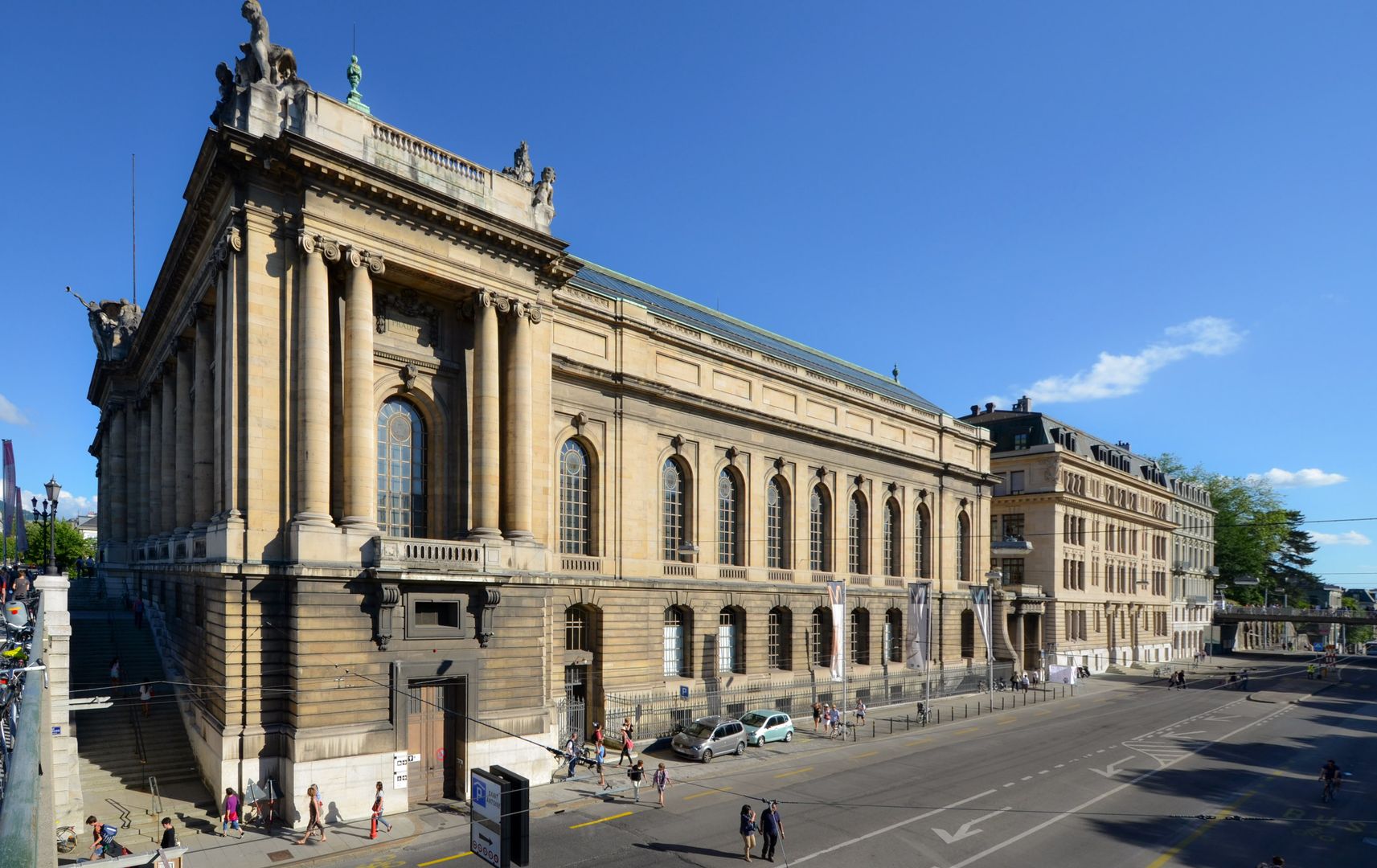
Musée d'Art et d'Histoire, extensive collections of art, archaeology, and history.
Musée d'Art et d'Histoire, elegant museum showcasing Geneva’s cultural and artistic heritage.

Musée d'Art et d'Histoire

Geneva, Switzerland
i

Musée d'Art et d'Histoire, extensive collections of art, archaeology, and history.

Musée d’Art et d’Histoire extends far beyond the standard gallery experience, fusing centuries of creativity, craftsmanship, and curiosity under one roof. With rooms that move from ancient treasures to modern masterpieces, the museum stands as a living record of both artistic innovation and everyday life. Whether exploring on a casual afternoon or planning a deep dive into the region’s cultural legacy, visitors will find this landmark shaped as much by locals as by the famous works it holds. Pacing through quiet halls or crowded galleries, every visitor leaves with stories shaped by discovery.

Visiting Info

Currency
Entrance fee
Free
Hours
Opening hours
Monday: Closed
Tuesday: 11:00 AM – 6:00 PM
Wednesday: 11:00 AM – 6:00 PM
Thursday: 12:00 – 9:00 PM
Friday: 11:00 AM – 6:00 PM
Saturday: 11:00 AM – 6:00 PM
Sunday: 11:00 AM – 6:00 PM

Contact Information

Location
Address
Rue Charles-Galland 2, 1206 Genève, Switzerland

Planning your visit

Before stepping into marble corridors or admiring sweeping views from quiet terraces, it helps to plan. The Musée d’Art et d’Histoire sits close to the heart of central Geneva, reachable by tram, bus, or a gentle walk from the lakeside. Weekends fill quickly, especially during special exhibits and school holidays, but quieter weekday afternoons often grant more time for reflection. Entry is often free for the permanent collection, though temporary exhibitions may require paid tickets. Broad, flat floors and wide elevators make exploring possible for most visitors, including families with strollers and those using wheelchairs. Most guests linger two to three hours, though the size invites deeper exploration for the dedicated.

  • Best time to visit: Weekday afternoons (Wednesday is usually less crowded); spring or autumn for mild weather
  • How to get there: Tram 12 or 17 to "Place Neuve"; bus lines connect from Geneva’s core; accessible by foot from Old Town
  • Accessibility: Elevators and ramps allow access to all floors; wheelchairs available at reception; family-friendly restrooms
  • Average visit duration: 2–3 hours, more for art lovers or during special events

Must see stuff

The museum’s crown jewel remains its diversity, stretching from ancient Egyptian sarcophagi to bold modern installations. Huge windows, letting in pale Swiss light, frame high-walled galleries where each floor unfurls different stories. The basement archaeology section hints at life thousands of years ago, while the fine art halls hold Swiss masters as well as familiar European giants. Beyond paintings and sculpture, less-known collections—like the weapons gallery or gleaming musical instruments—reward curious explorers. The airy courtyard also tempts locals on sunny days, becoming a spot for sketching or quiet reading. Every room hums with history and a little surprise if you know where to look.

  • Highlights: The Renaissance art collection, ancient Egyptian mummies, stained glass windows, and the Medals Room
  • Unique experiences: Peek at conservation workshops through glass walls (when open), trace secret staircases to smaller galleries
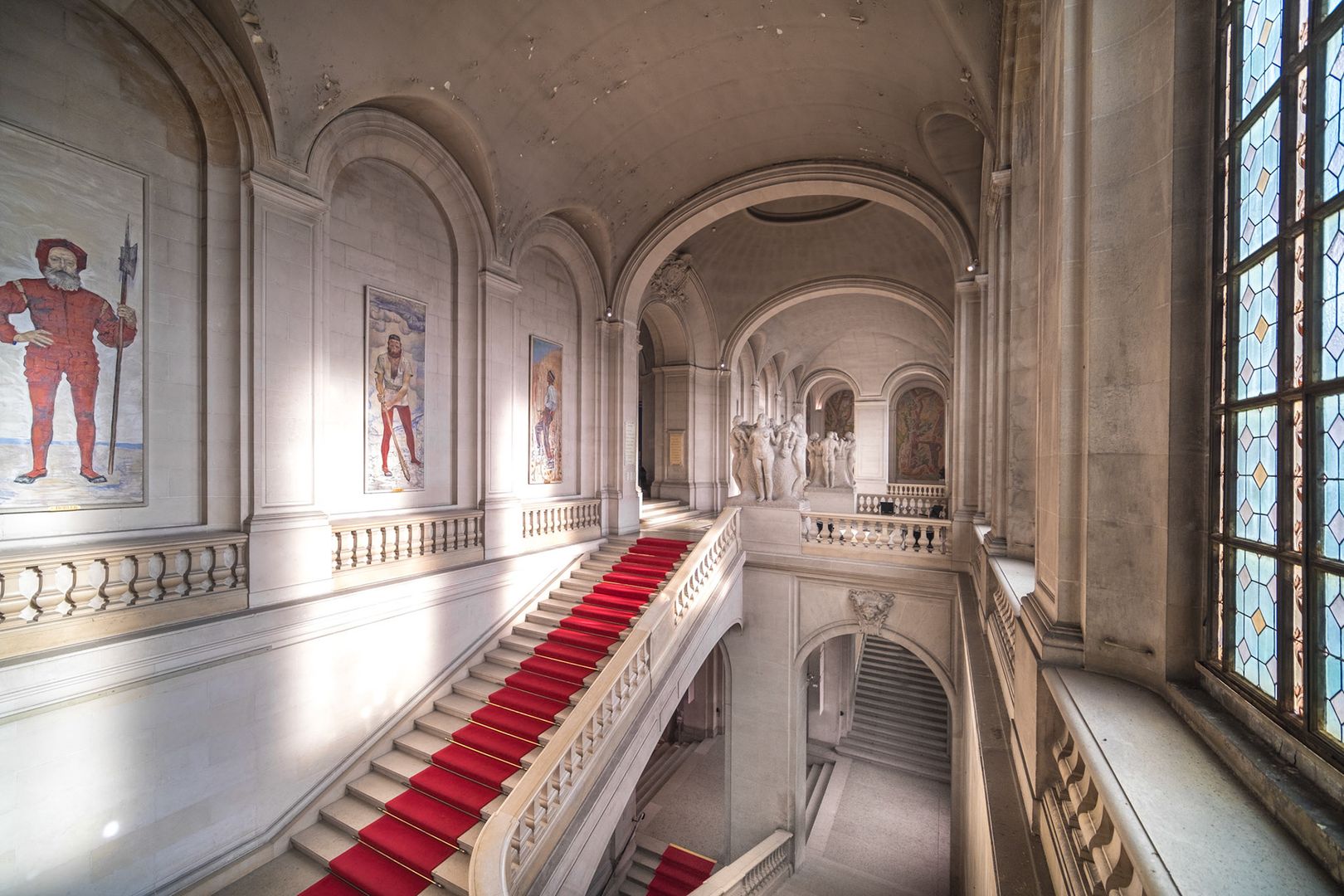
  • Photo-worthy spots: Grand marble staircase; rooftop views from windows; the mosaic floors in main halls
  • Cultural insights: The museum’s 650,000+ objects represent Geneva’s role as crossroads between eras and cultures, not just Switzerland but the wider continent

Tips for your visit

Some practical preparation makes each visit smoother and more rewarding. Mid-mornings can fill with school groups, so those seeking peace should aim for later afternoons or Thursday evenings when the museum stays open late. Light snacks and water are essential, as the small café serves mainly drinks and pastries. Photography is allowed without flash, though respect for conservation efforts matters. Most locals and staff speak English, French, and German, but clear signage keeps you on track even if language is a challenge. Bring layers, since some galleries run cooler or warmer than others due to historic building quirks. And if feet tire, the gardens outside provide a breath of fresh air between discoveries.

  • Best times to avoid crowds: Later afternoons, especially Thursday evenings (open until 9pm)
  • What to bring: Camera (no flash), water bottle, comfortable shoes, a small notebook for sketches or notes
  • Local etiquette: Speak softly in galleries, respect marked off–limit areas, greet staff with a simple "bonjour"
  • Comfort & safety: Lockers available; move carefully on old stone stairs; pause to rest in quieter corner rooms or the outdoor garden