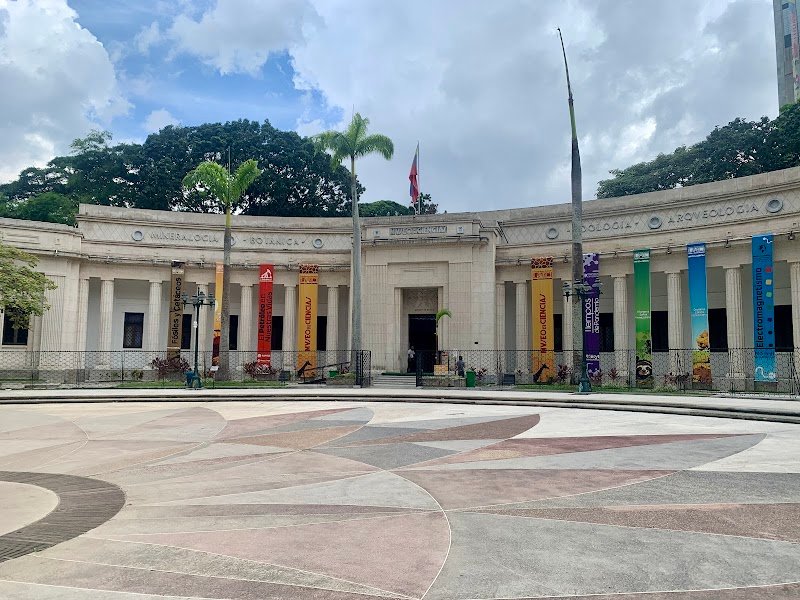
Google Places photo

Museum of Natural Sciences

Caracas, Venezuela

The Museum of Natural Sciences in Caracas weaves the wonders of the natural world with the unique soul of Venezuela. Nested within sprawling parkland, this landmark invites explorers of all ages into its cool halls to journey from primordial prehistory to vibrant present. Every visit uncovers rare fossils, shimmering minerals, and centuries-old traditions—all under one roof. Few places in Caracas capture the curiosity and marvel of life quite like this enduring institution.

Visiting Info

Currency
Entrance fee
10 VEF
Hours
Opening hours
Monday: Closed
Tuesday: Closed
Wednesday: 10:00 AM – 5:00 PM
Thursday: 2:00 – 7:00 PM
Friday: 2:00 – 7:00 PM
Saturday: 10:00 AM – 5:00 PM
Sunday: 10:00 AM – 5:00 PM

Contact Information

Location
Address
Caracas 1014, Capital District, Venezuela

Planning your visit

Stepping into the Museum of Natural Sciences calls for some simple preparation. The museum lies within Parque Los Caobos, a lush urban park easily reached from several neighborhoods. Weekday mornings offer a peaceful pace, while weekends attract locals and school groups. Reasonable entry fees make the museum accessible but expect modest facilities compared to larger, more modern museums. Most displays are bilingual, welcoming both Spanish and English speakers. Here’s how to make the most of your trip:

  • Best time to visit: Early morning on weekdays (especially Tuesday to Thursday) to skip crowds; rainy season offers cooler temperatures but pack an umbrella.
  • How to get there: Taxi, rideshare, or Metro to Bellas Artes station, followed by a short walk through leafy park paths; public buses also serve the area for budget travelers.
  • Accessibility: The museum has ramps at entrances and most galleries, but some older halls may have uneven floors; strollers and wheelchairs are manageable.
  • Average visit duration: Two to three hours for a leisurely stroll through the main galleries and special exhibits.

Must see stuff

The Museum of Natural Sciences combines striking dioramas, full-scale fossils, and interactive highlights tailored to curious minds. Children stop in wonder beside the enormous Mastodon skeleton, while naturalists hover at the gem and mineral collection—one of the largest in South America. Regional biodiversity reigns in the Amazon exhibit, where glass cases hold rare butterflies, indigenous artifacts, and perfectly preserved reptiles. Down quieter hallways, local paleontology receives pride of place. Several tucked-away rooms house rotating exhibits on marine life, Indigenous folklore, and the shifting Andes. For those who enjoy photographs or moments of quiet learning, windows peer over historic parkland or reflect striking animal displays. Here’s what not to miss:

  • The Mastodon Skeleton: The museum’s star, drawing both kids and adults for that classic museum moment—perfect for photos.
  • Amazon Biodiversity Hall: A vibrant panorama of river creatures, jungle plants, and regional artifacts; catch a glimpse of live turtles in small tanks.
  • Regional Gemstones and Minerals: Glittering displays of native amethyst, quartz, and rare stones from across Venezuela.
  • Paleontology and Fossil Gallery: Rare dinosaur bones and marine fossils unique to the Andes and Llanos;
  • Temporary Exhibits: Rotating displays highlight marine ecology, indigenous myths, or the latest archeological finds from Venezuela’s rich past.
  • Historic Courtyard: A peaceful inner oasis; local families sometimes picnic here, and photographers favor the towering ceiba tree nearby.

Tips for your visit

The museum’s old-world charm brings some simple challenges. Air-conditioning is patchy in the older wings, especially during summer months, so a light shirt or scarf helps. Pack a bottle of water, since few vending machines dot the hallways. Photo rules can change between exhibits, especially near rare fossils or Indigenous objects—always check the signs. Locals consider the museum a special place for school outings, so mornings can get loud when classes arrive. Comfortable walking shoes prove useful, as the layout sprawls more than it seems at first glance. For an extra treat, combine museum hours with a stroll through neighboring Plaza Morelos or the Sculpture Garden close by. Practical advice to ease your journey:

  • Best times to avoid crowds: Arrive before noon Tuesday to Friday, or aim for late afternoon when groups have left.
  • What to bring: Light clothing, refillable water bottle, camera (plus extra batteries), sunscreen for park walks, and mosquito repellent if exploring the gardens.
  • Local etiquette: Brief greetings with staff go a long way; avoid touching displays or leaning on cases.
  • Safety and comfort: Keep an eye on belongings in public areas; restrooms are clean but basic—carry tissue or sanitizer.

Similar Attractions

Museum of Natural Sciences – Tickets, Hours & Visitor Guide