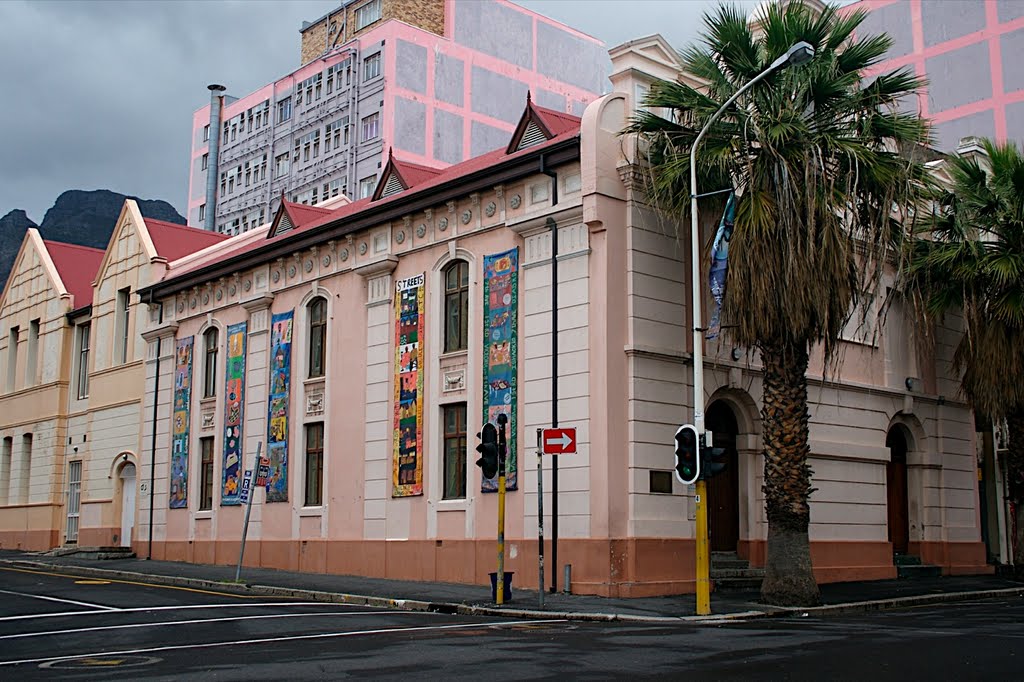
Beautiful view of District Six Museum

District Six Museum

Cape Town, South Africa
i

Beautiful view of District Six Museum

District Six Museum stands as a vivid memorial to a vanished Cape Town neighborhood—one bulldozed in the name of apartheid-era urban planning. Visitors walk on floors covered with street names once full of life, their echoes carried through photographs, handwritten notes, and rescued signs. Modern Cape Town’s vibrancy drifts through these walls, but a quieter reverence lingers in every display. This is more than a museum—it’s an ongoing tribute to hope, healing, and the tenacity of a community forced to scatter.

Visiting Info

Currency
Entrance fee
60 ZAR
Hours
Opening hours
Monday: 9:00 AM – 4:00 PM
Tuesday: 9:00 AM – 4:00 PM
Wednesday: 9:00 AM – 4:00 PM
Thursday: 9:00 AM – 4:00 PM
Friday: 9:00 AM – 4:00 PM
Saturday: 9:00 AM – 4:00 PM
Sunday: Closed

Contact Information

Location
Address
25A Buitenkant St, District Six, Cape Town, 8000, South Africa

Planning your visit

For most travelers, a trip to District Six Museum is straightforward. The museum lies within a quick drive or brisk walk from Cape Town’s center, in a striking old Methodist church. Weekdays typically bring manageable crowds, but afternoons—especially during school holidays—can get busy. Entry is affordable, and guided tours led by former residents run at set times. Check the museum’s website for current opening hours and ticket info, as these may occasionally change for special events or upgrades.

  • Best time to visit: Weekday mornings, or late afternoons for quieter, reflective visits. Summer (November to March) brings more tourists.
  • How to get there: Easily reached by taxi, rideshare, or the MyCiTi bus (Route 101), with several paid parking lots nearby.
  • Accessibility: Most exhibits are ground-level, but wheelchair ramps and accessible restrooms are available. Strollers welcome; benches for resting throughout.
  • Average visit duration: 1.5 to 2 hours for most, longer if joining a tour or exploring the archive room.

Must see stuff

No visit would be complete without pausing on the main mosaic floor: each painted tile marks a family, street, or store erased by forced removals. Galleries brim with salvaged street signs, battered suitcases, and stories told in the words of those displaced. Handwritten letters and clotheslines of personal belongings invite quiet reflection, while original home recipes or fragments of wedding sashes remind visitors of daily lives interrupted. For a richer experience, visitors can join a guided tour with storytellers who once called District Six home.

  • The main floor map: A giant recreation of the old streets—stand on Hanover Street or find the faded name of a bakery now gone.
  • Photographic walls: Striking black-and-white images of families, street parties, and protest marches.
  • The Memory Cloth: A community quilt covered in stitched stories and messages, frequently updated.
  • Guided tours with ex-residents: Heartfelt explanations of loss and survival, adding layers to the museum’s formal displays.
  • Photo opportunities: Classic snapshots by the iconic street signs, mosaic floor, and spiral staircase.
  • Local flavor: Check for temporary exhibits or poetry readings in the upstairs hall—often led by young artists with roots in District Six.

Tips for your visit

Visitors get the most from District Six Museum by arriving early, wearing comfortable shoes, and reading displays with care. Bringing a reusable water bottle is wise—the museum’s café is small, and vending options limited. Respectful behavior is key: this is living history, and some local visitors come for remembrance, not just tourism. Photography is allowed, but always ask before snapping pictures of volunteers or participants in storytelling sessions. While the museum is generally very safe, watch your step on old wooden floors and keep bags close—nothing ruins a day like a lost wallet among the exhibits.

  • To avoid crowds: Visit on weekday mornings, and skip public holidays if possible.
  • What to bring: Comfortable walking shoes, water, and a camera. Notebooks welcome for jotting down names or memories.
  • Etiquette: Lower voices near reflective spaces, be gentle with displays, and don’t touch artifacts unless invited.
  • Comfort tips: Facilities are well-kept, but seating is limited—use benches when you find them.