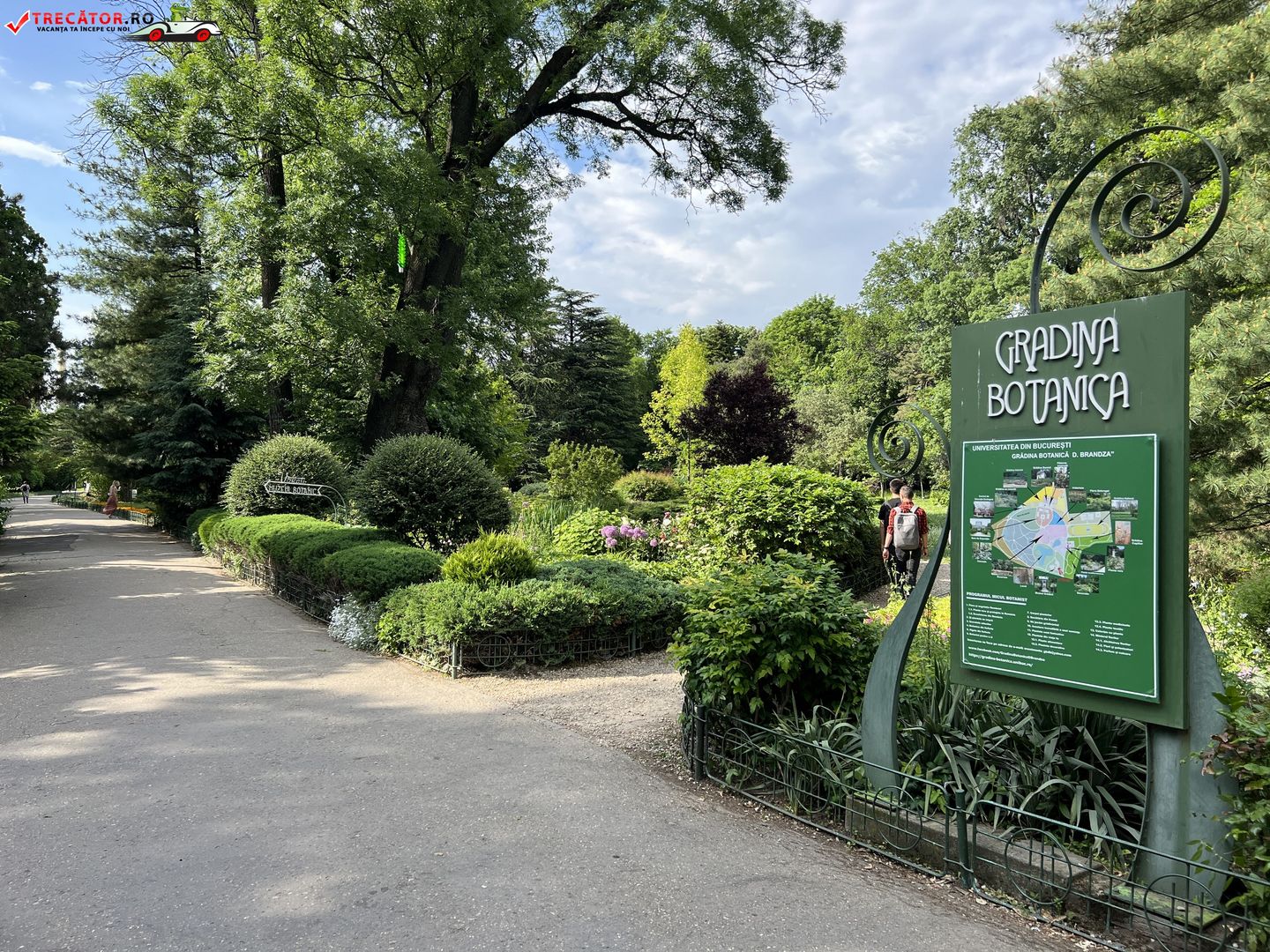
“Dimitrie Brândză” Botanical Garden: serene oasis with diverse plant collections.
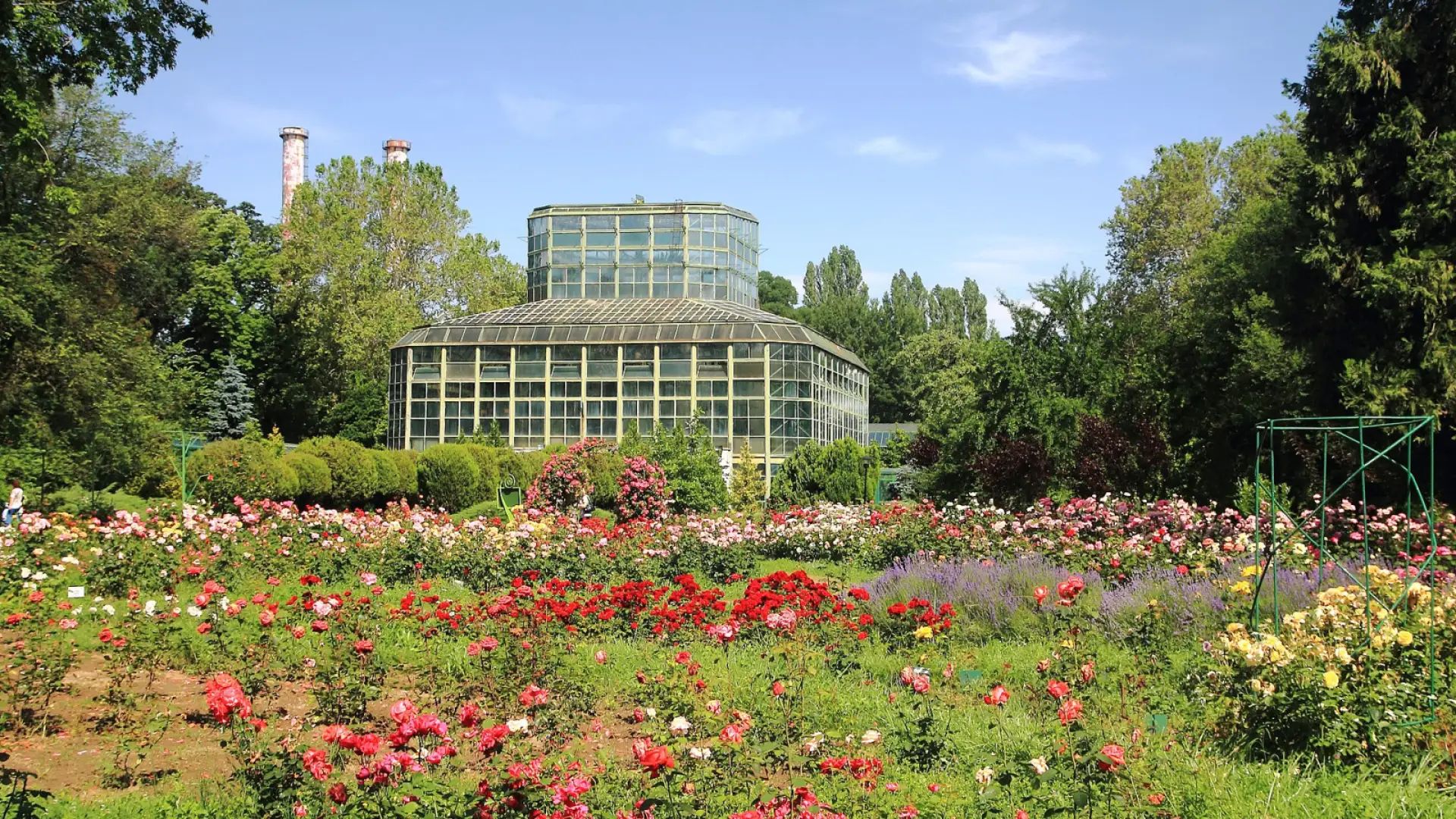
“Dimitrie Brândză” Botanical Garden: tropical greenhouses and beautiful seasonal displays.

"Dimitrie Brândză" Botanical Garden

Bucharest, Romania
i

“Dimitrie Brândză” Botanical Garden: serene oasis with diverse plant collections.

Shaded by old trees and alive with the soft hum of bees, the "Dimitrie Brândză" Botanical Garden stands as a peaceful retreat tucked away from Bucharest’s constant motion. Rich with history and remarkably varied plant collections, the garden draws plant lovers, weekend wanderers, and those who simply need a break from urban energy. More than a patch of green, this 17-hectare oasis offers a layered experience—one of quiet charm, surprising discoveries, and a rare window into Romania’s botanical diversity.

Visiting Info

Currency
Entrance fee
20 RON
Hours
Opening hours
Monday: 9:00 AM – 3:30 PM
Tuesday: 9:00 AM – 3:30 PM
Wednesday: 9:00 AM – 3:30 PM
Thursday: 9:00 AM – 3:30 PM
Friday: 9:00 AM – 3:30 PM
Saturday: 9:00 AM – 3:30 PM
Sunday: 9:00 AM – 3:30 PM

Contact Information

Location
Address
Șoseaua Cotroceni 32, București, Romania

Planning your visit

Careful planning helps visitors make the most of a trip to the "Dimitrie Brândză" Botanical Garden. Spring and early autumn promise the most lush displays of blooms, though each season brings a distinctive character. The garden lies in the Cotroceni neighborhood, close to the city center, and is easy to access by tram, bus, or metro. Some trails are paved and stroller-friendly, but a few older sections feature uneven paths. Weekends bring more families, but most weekdays and mornings remain quiet. Entry requires a small ticket fee, but lines rarely last more than a few minutes outside of major events.

  • Best time to visit: April to June or September; early mornings or late afternoons for soft light and fewer crowds
  • How to get there: Take Metro Line M1 to Grozăvești Station or use bus and tram lines to Politehnica or Cotroceni stops
  • Accessibility: Paved paths in most areas; some steep or gravel trails in remote gardens may challenge wheelchairs or strollers
  • Average visit duration: 2 to 3 hours for most highlights; longer for relaxed wandering or avid photographers

Must see stuff

Inside the garden, both grand displays and tucked-away corners await discovery. The Glasshouse Complex forms the heart of the experience, showcasing exotic plants from Mediterranean, tropical, and desert climates. Lush water lilies fill shallow ponds in summer, while the Romanian Flora section highlights native species, many rarely glimpsed outside remote mountain valleys. Wooden arbours and benches under soaring trees invite quiet reflection. Families often linger in the children’s garden—a safe place for supervised exploration—while the Japanese Garden charms visitors year-round with its tranquil pond and sculpted pines. Newcomers might overlook winding side paths, but many of these lead to fragrant rose beds or historical statues peeking through leaves.

  • Glasshouse Complex: Climate-controlled domes with orchids, palms, cacti, and insect-eating plants
  • Japanese Garden: Bamboo groves, koi pond, and red wooden bridge make for a striking scene and mindful pause
  • Romanian Flora Area: Features rare Carpathian species, some endangered or protected
  • Photo spots: Cherry blossoms in spring, water lily ponds in summer, and fiery foliage in autumn
  • Historical insight: Founded in 1860, the Botanical Garden played a key role in Romanian plant research and conservation; several statues and plaques reveal its early story

Tips for your visit

To enjoy the garden fully, a little local knowledge goes a long way. Early morning hours offer dew-kissed petals and quiet paths, though the air can turn chilly outside summer. Many benches remain shaded even at midday, but sunscreen helps during longer visits. While most signs provide info in English and Romanian, some older displays have only brief labels; a free map at the entrance makes orientation easier. Eating is not allowed inside, but a small café near the entrance offers coffee, tea, and pastries—sometimes with patchy service. Larger picnics are better in nearby parks. Bugs can pester on muggy days, so bug spray helps, especially near water areas. The garden is safe, but children should be watched near open ponds and narrow paths.

  • Avoiding crowds: Plan for weekday mornings or late afternoons, especially outside exam and school field trip seasons
  • What to bring: Water bottle, camera or phone with extra battery, light jacket, and sturdy shoes suitable for uneven surfaces
  • Local etiquette: Walking on grass is discouraged outside designated picnic spots; smoking and pets are not allowed
  • Comfort and safety: Use bug repellent in summer; watch for slippery walkways after rain