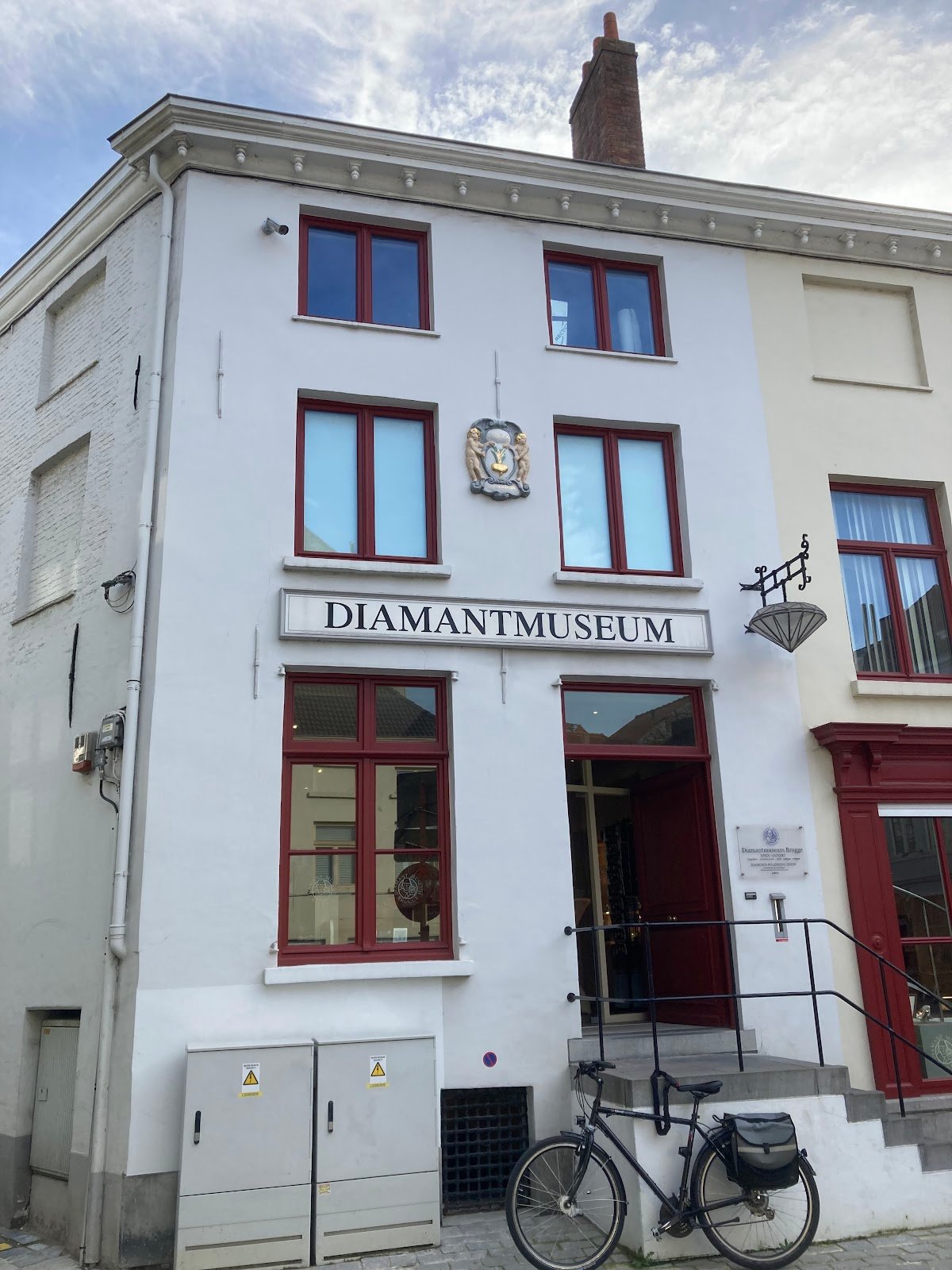
Diamond Museum

Diamond Museum

Bruges, Belgium

In quiet corners of European cities, some museums go deeper than a simple crash course in history. The Diamond Museum in Bruges belongs to a rare set—places where treasure is not only displayed, but explained, unraveled, and set within centuries of human endeavor. Here, brilliance is more than a glittering surface. It’s a tour through geology and artistry, market and myth.

Visiting Info

Currency
Entrance fee
12 EUR
Hours
Opening hours
Monday: 10:30 AM – 5:30 PM
Tuesday: 10:30 AM – 5:30 PM
Wednesday: 10:30 AM – 5:30 PM
Thursday: 10:30 AM – 5:30 PM
Friday: 10:30 AM – 5:30 PM
Saturday: 10:30 AM – 5:30 PM
Sunday: 10:30 AM – 5:30 PM

Contact Information

Location
Address
Katelijnestraat 43, 8000 Brugge, Belgium

Planning your visit

A trip to the Diamond Museum can fit easily into a day of Bruges exploration, yet thoughtful planning yields the smoothest experience. Weekends and school holidays often draw crowds, especially when groups arrive for demonstrations. The museum sits a short walk from both the bustling Markt and the tranquil Minnewaterpark, making it easy to find by foot, bus, or bike. Tickets are sold at the door, but buying online skips the slowest queue. Inside, expect modern exhibits in clear, accessible spaces—this is an ideal destination for mixed-age families, but strollers and wheelchairs may need help with tight corners between displays.

  • Best time to visit: Weekday mornings, or anytime outside the summer peak. Spring and autumn offer gentler crowds and pleasant weather.
  • How to get there: From Bruges train station, walk 15 minutes or take city bus No. 1 or No. 6, alighting at Koning Albertpark or Katelijnepoort.
  • Accessibility: Mostly barrier-free, but narrow rooms may challenge large mobility aids. Museum staff are happy to assist.
  • Average visit duration: About 1 to 1.5 hours for a full look, though souvenir hunters may linger longer in the gift shop.

Must see stuff

Behind glass and in hands-on displays, the Diamond Museum unveils the long history of Bruges as a European diamond hub, centuries before Antwerp’s rise to fame. Rather than overwhelming visitors with endless cases, the exhibitions spotlight key facets of the gem’s journey: from volcanic pipes deep in the earth, through rough-cast mining, to final dazzling cuts. The live diamond polishing demonstration draws crowds for good reason; here, a local expert transforms cloudy stone into a sparkling masterpiece. The galleries also weave in surprising facts about medieval Bruges, when the city was home to the continent’s first diamond guild. Kids and curious adults will appreciate interactive exhibits showing how to tell a real diamond from a fake. The museum’s upper gallery often houses quirky, rotating exhibitions featuring artists who push the limits of glass, crystal, and light.

  • Key sights or features: The diamond cutting and polishing demonstration (check schedule for daily times), and the original guild charter from Bruges’ golden period.
  • Unique experiences: Test your own observation skills at hands-on stations that teach visitors to spot imitation gems.
  • Photo-worthy locations: The central staircase under twinkling replica chandeliers, and the museum’s sparkling mosaic wall.
  • Cultural or historical facts: Bruges was Europe’s diamond heart well before Antwerp; the museum highlights Bruges’ lost guild, as well as tools that nineteenth-century cutters used, many hand-crafted in this same city.

Tips for your visit

Small flourishes can make a museum day memorable. For the Diamond Museum, the most relaxed visits happen early or late in the day. Crowds spike just after lunch, when bus tours flow in, so plan to arrive before noon or closer to closing. Although most signage appears in English, Dutch, and French, staff happily answer questions—don’t hesitate to chat. The temperature inside remains cool, even while Bruges bakes outside in August. Real jewelry is for sale in the shop, but no pressure to buy exists, and the staff focus on service over sales pitch. The museum café is absent; consider refueling at a nearby tearoom instead. Note that photography is allowed but some specialty exhibits may restrict flash. Lastly, the polished stone floors can be both a medieval touch and a slippery surprise after rainy weather.

  • Best times to avoid crowds: Arrive before 11 am or after 4 pm. Midweek visits are calmest outside summer and winter breaks.
  • What to bring: Comfortable shoes (for cobblestone approaches), a camera (with respect for no-flash areas), and a small water bottle.
  • Local etiquette or rules: Quiet voices in the small demonstration room help everyone hear the guides. Backpacks may be required to stay in lockers.
  • Safety or comfort advice: Watch floors on wet days; children under twelve should stay close to adults in demonstration areas.
Diamond Museum – Tickets, Hours & Visitor Guide