Botanical Garden and Herbarium

Botanical Garden and Herbarium

Bologna, Italy
i

Botanical Garden and Herbarium

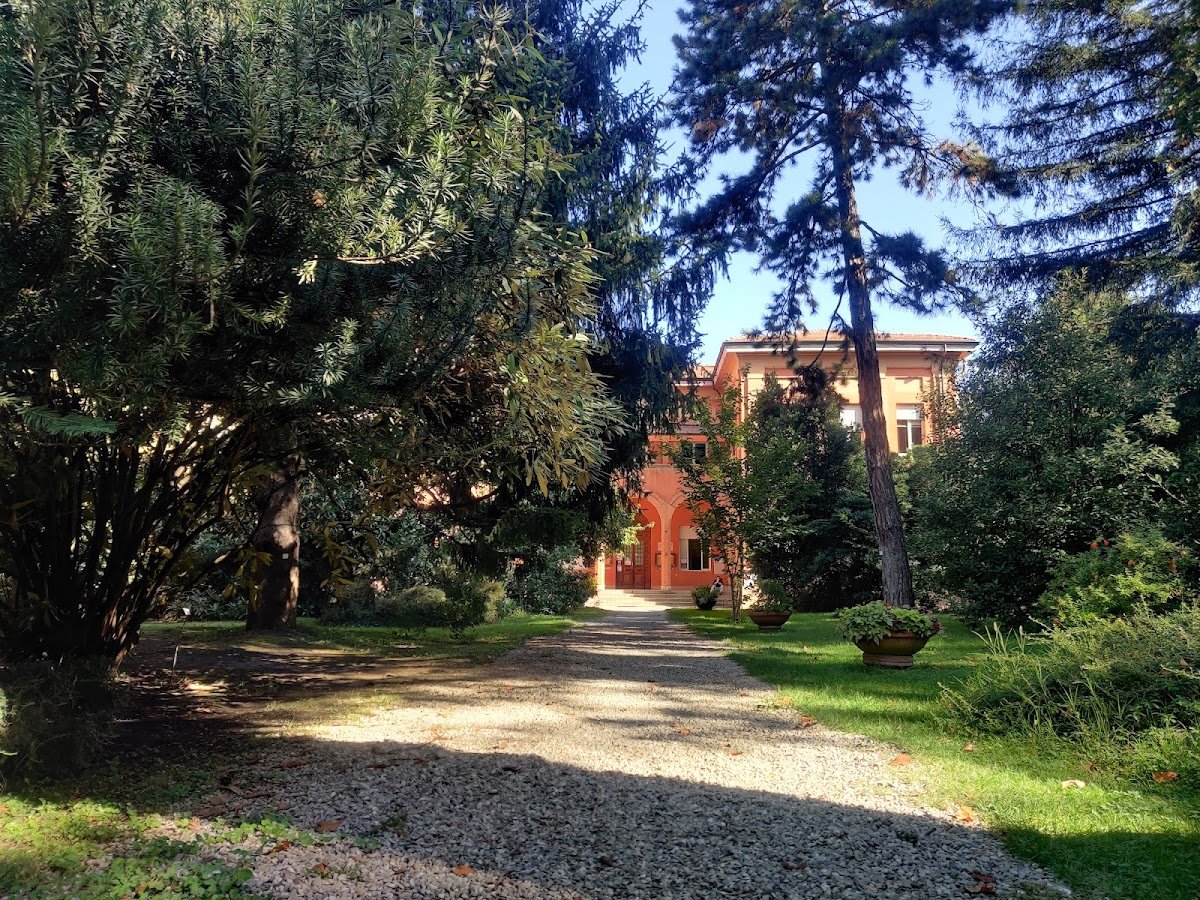
Photo by Clark Finlay

Tucked away from the busier avenues of Bologna, the Botanical Garden and Herbarium offers a walk through time and nature. Here, centuries-old trees reach over carefully mapped paths, and rare medicinal plants brush against city air. A haven for both plant lovers and history wanderers, the garden feels like a local secret that invites anyone to slow down and discover green corners full of stories.

Visiting Info

Currency
Entrance fee
Free
Hours
Opening hours
Monday: Closed
Tuesday: 10:00 AM – 6:00 PM
Wednesday: 10:00 AM – 6:00 PM
Thursday: 10:00 AM – 6:00 PM
Friday: 10:00 AM – 6:00 PM
Saturday: 10:00 AM – 6:00 PM
Sunday: 10:00 AM – 6:00 PM

Contact Information

Location
Address
Via Irnerio, 42, 40126 Bologna BO, Italy

Planning your visit

Thoughtful planning helps visitors make the most of Bologna’s Botanical Garden and Herbarium. Mornings bring a calm mood, while afternoons can see small crowds, especially in spring and early autumn. Entry is usually free, but some exhibits or events may require advance booking. Surrounding streets, though picturesque, can challenge first-time drivers, making public transport a relaxed choice.

  • Best time to visit: Late spring (April–June) or early autumn (September–October). Early mornings or weekdays are quieter.
  • How to get there: Walk from Bologna’s city center in about 15 minutes, or take bus lines 32 or 33 to Via Irnerio. Biking is popular, thanks to flat terrain and bike racks near the entrance.
  • Accessibility: Paths are mostly flat and shaded. Some gravel areas may challenge wheelchairs or strollers, though most main routes are manageable.
  • Average visit duration: 1.5–2 hours covers the highlights, but curious visitors linger longer among plant collections.

Must see stuff

The garden, founded in 1568, gently unwraps its secrets within divided sections. Lush, old magnolias and ginkgo biloba trees bring a wisp of the past. Rare herbs used in medieval medicine grow behind neat stone signs. The glasshouses, compact but lively, shelter unusual orchids and cacti, while the small Herbarium displays dried treasures from centuries of study. Art installations by local creators sometimes surprise visitors under leafy shade.

  • Key sights or features: The Arboretum’s giant trees, the ancient well, and medicinal plant beds arranged by historical use.
  • Unique experiences: Self-guided botanic trails; occasional guided walks led by university experts; spotting turtles in the hidden pond.
  • Photo-worthy locations: The bamboo grove’s sun-flecked paths, the Victorian-style greenhouse, and seasonal flower displays near the garden’s heart.
  • Cultural or historical facts: Founded by Ulisse Aldrovandi, one of modern botany’s pioneers; the site remains a living laboratory for students and visiting scientists.

Tips for your visit

With only a little preparation, a day at the garden becomes both soothing and memorable. While the park feels peaceful, benches are few, so comfort helps. Quiet voices match the local appreciation for study and relaxation. Art shows or outdoor lectures sometimes close a section, occasionally changing the walking route. Facilities are basic, but several bakeries and gelato shops line Via Irnerio for a snack before or after exploration.

  • Best times to avoid crowds: Early weekday mornings; chilly or rainy days see few visitors.
  • What to bring: Sturdy walking shoes, a refillable water bottle (no on-site food), and a camera for flowering seasons.
  • Local etiquette or rules: No picking plants or walking on grass; dogs on leashes are welcome in outer paths only.
  • Safety or comfort advice: Old stone paths get slippery after rain; some shaded areas attract mosquitoes, especially in May and June.

Similar Attractions

Botanical Garden and Herbarium – Tickets, Hours & Visitor Guide