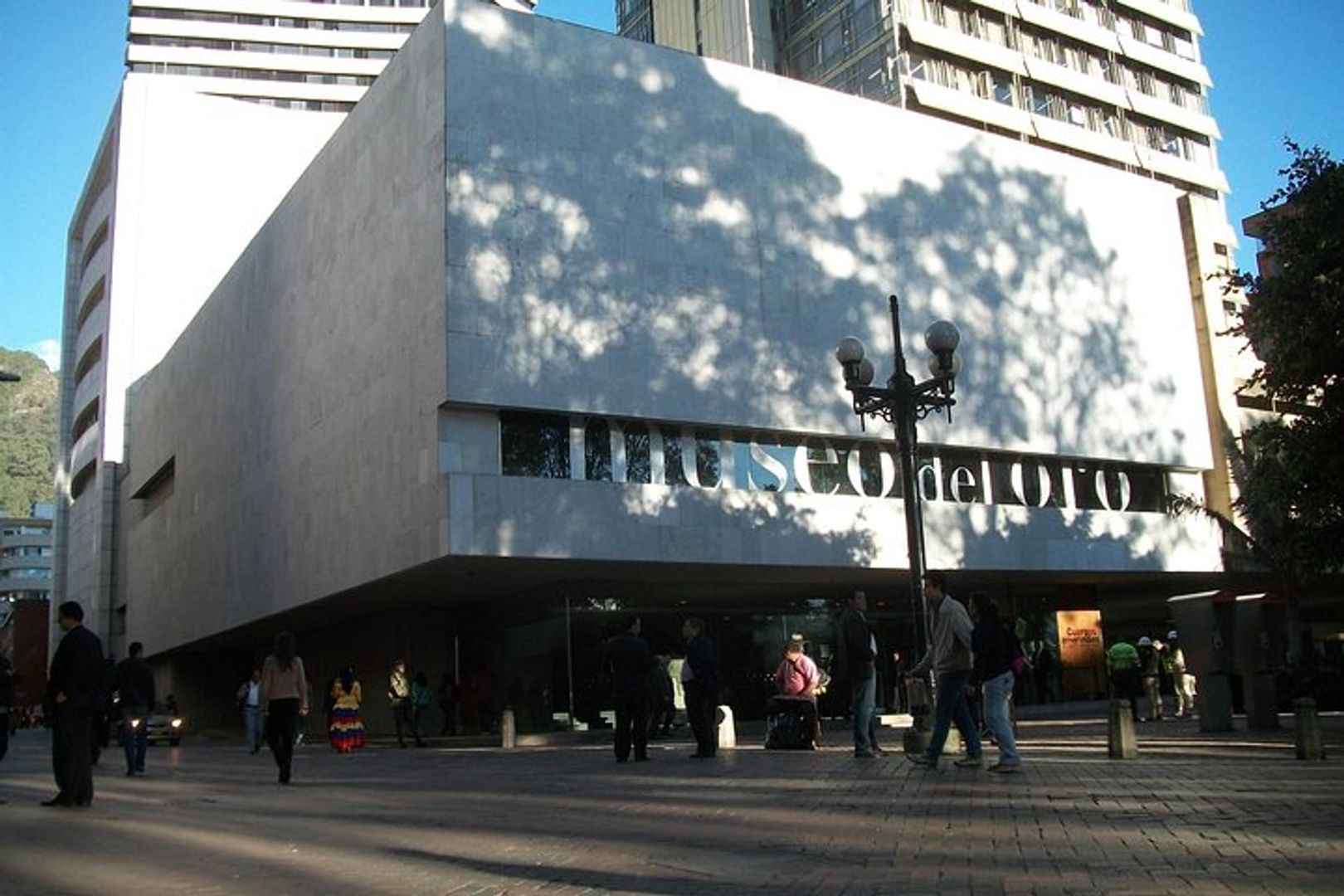
Beautiful view of Gold Museum

Gold Museum

Bogota, Columbia
i

Beautiful view of Gold Museum

The Gold Museum, a shimmering vault of ancient treasures, stands as one of South America’s most impressive showcases of pre-Columbian culture. Thousands of golden artifacts—delicate necklaces, mysterious figurines, quirky tools—shine in softly lit rooms. Each room tells a story, lifting the curtain on Colombia’s rich, often overlooked heritage. Here, dazzling objects connect the past with the present, turning an ordinary day into a journey across centuries.

Visiting Info

Currency
Entrance fee
5000 COP
Hours
Opening hours
Monday: Closed
Tuesday: 9:00 AM – 6:00 PM
Wednesday: 9:00 AM – 6:00 PM
Thursday: 9:00 AM – 6:00 PM
Friday: 9:00 AM – 6:00 PM
Saturday: 9:00 AM – 6:00 PM
Sunday: 10:00 AM – 4:00 PM

Contact Information

Location
Address
Cra. 5 #15-82, Santa Fé, Bogotá, Cundinamarca, Colombia

Planning your visit

With its central location and famous collection, the Gold Museum draws travelers and locals, schoolchildren and scholars alike. Planning ahead pays off: some days, lines snake along the plaza and it can get busy inside. Weekdays offer a quieter experience, while weekends often attract larger crowds. Central Bogotá’s lively streets make travel straightforward, with options for every budget and traveler type. Tickets are affordable, but some special exhibitions charge an extra fee. While the building’s modern renovation means most areas are accessible, a few winding staircases remain in the oldest corners.

  • Best time to visit: Weekday mornings, or late afternoons for a quieter atmosphere. Rainy season (April/May and October/November) means fewer crowds.
  • How to get there: Located in city center, easy access by taxi, TransMilenio buses (museo stop), or walking from La Candelaria. Several bike lanes run nearby.
  • Accessibility: Elevators and ramps in most public areas, strollers allowed. Some tight corridors may be tricky for wheelchairs but staff help gladly.
  • Average visit duration: 2 to 3 hours for most. Longer if exploring special exhibits or joining a guided tour.

Must see stuff

The Gold Museum spans three floors, each revealing layers of Colombia’s story through glittering displays. Some objects feel legendary—the famous Muisca raft that inspired the El Dorado myth, for example—while smaller, lesser-known pieces offer their own intrigue. Specialized rooms create dark, almost magical settings for the artifacts. Beyond just looking, visitors can try interactive screens or peer into the workshops of goldsmiths. Artifacts from regions across Colombia highlight both differences and shared traditions.

  • Muisca Raft: Tiny yet unforgettable, this golden raft launched the legend of El Dorado. Don’t skip it.
  • Offering Room (La Sala de Ofrendas): A circular, dim chamber—walls lined with gold and bathed in sound. An immersive moment worth waiting for.
  • Calima and Tairona Galleries: Distinct regional styles, chunky jewelry and intricate masks show the range of Colombian craftsmanship.
  • Hands-on displays: Try a replica mold or step into a simulated goldsmith’s workshop in the education area.
  • Ground-floor café: Large windows, local coffee, and a gallery of lesser-known indigenous artifacts present chances to rest and reflect.
  • Photo-worthy locations: The spiral staircase and the giant floor map in the entrance hall create striking backdrops for photos.
  • Cultural bonus: Bilingual panels and free, well-told guided tours twice daily connect objects to Colombia’s current traditions and communities.

Tips for your visit

The Gold Museum may dazzle with shiny displays, but some practical preparation ensures a smooth, comfortable visit. Lines can get long, and noise levels rise in the busiest galleries, especially midday and on Sundays. Shoes matter—the polished floors and long corridors mean lots of walking. Bags must go in secure lockers. Photography is popular, but flashes are not allowed, and some rooms prohibit cameras. Affordable, unique souvenirs at the museum shop offer an alternative to touristy trinkets found nearby. A couple of blocks from the main museum, the Casa del Florero, another lesser-known spot, offers a quieter look at Colombian independence history.

  • Best times to avoid crowds: Arrive early, or late on weekdays to enjoy quiet hallways and uninterrupted views.
  • What to bring: Water bottle (not allowed in exhibit halls), camera (no flash), comfortable shoes, light sweater—galleries are air-conditioned.
  • Local etiquette: Speak quietly, especially in the Offering Room. Kids may touch designated displays but not others. Respect posted signs about photography.
  • Safety and comfort: Secure possessions in free lockers near the entrance. Keep an eye on belongings in the bustling Plaza de Bolívar outside.
  • Extra tip: Check the calendar for public lectures; local experts sometimes lead special walks or talks for just a small fee.