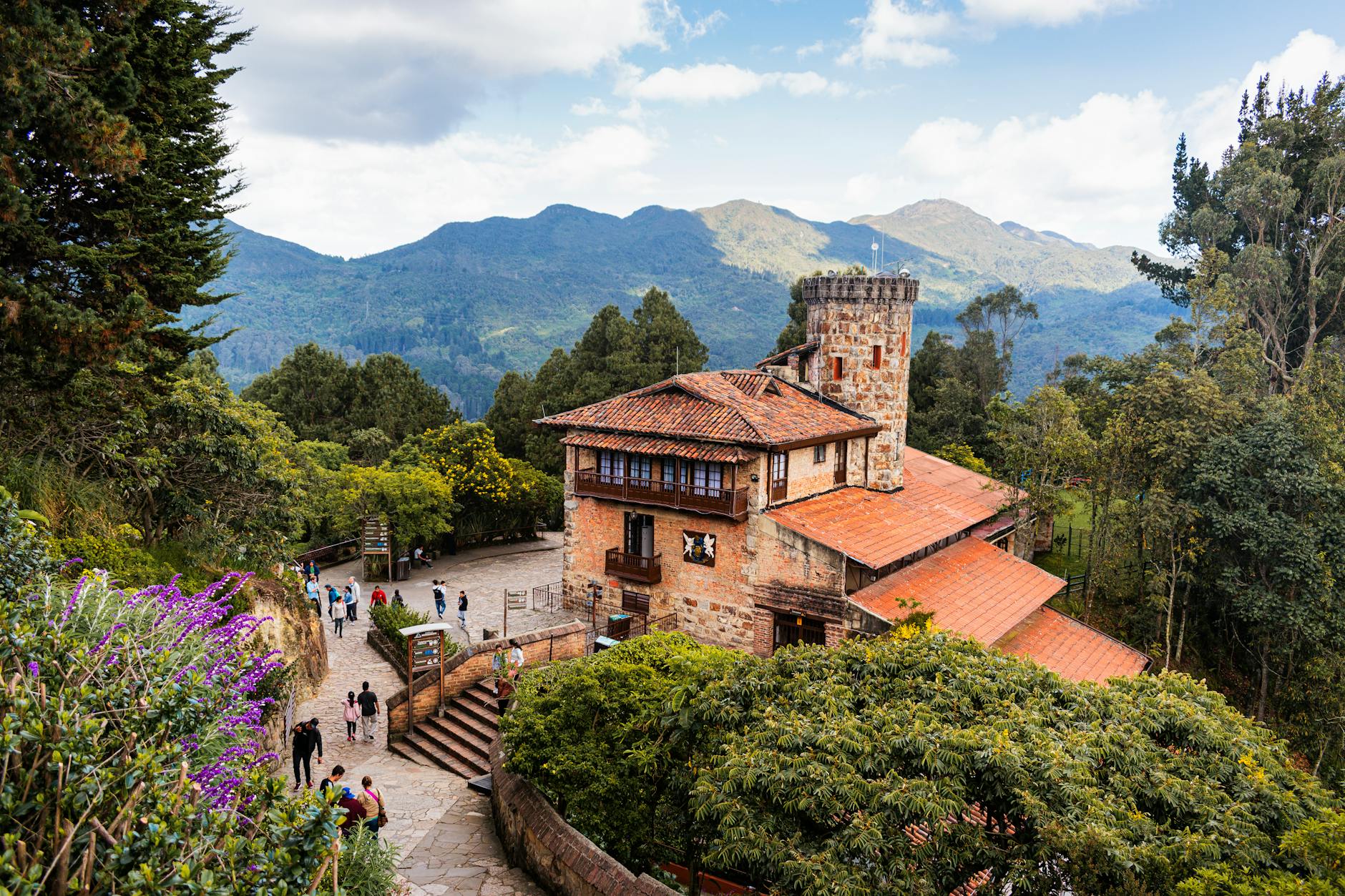
Charming stone building amidst lush greenery on Monserrate Hill, Bogotá, Colombia.

Cerro de Monserrate

Bogota, Columbia
i

Charming stone building amidst lush greenery on Monserrate Hill, Bogotá, Colombia.

Photo by Santiago Boada

High above the city, where Bogotá’s modern sprawl turns into forested hills, stands Cerro de Monserrate. This steep green peak rises over the capital’s busy streets, offering breath and relief. Pilgrims and locals have visited for over four centuries, scaling stone steps, riding cable cars, and lingering at the summit. The blend of panoramic views, religious devotion, and local market energy makes Monserrate one of Colombia’s most memorable—and most beloved—landmarks.

Visiting Info

Currency
Entrance fee
77000 COP

Contact Information

Location
Address
Monserrate, Bogotá, Bogota, Colombia

Planning your visit

Preparation makes a visit to Cerro de Monserrate feel easy, not overwhelming. Early mornings often bring fewer crowds and softer light on the brick rooftops of Bogotá below. Midday can mean lines for the funicular or cable car, especially on weekends when local families gather for lunch and prayers. Strong sun, wind, and rain can roll through quickly, so pack for changeable weather. The ascent can be made on foot, by funicular railway, or in a modern cable car—each offering a different angle on the hill’s ecosystem and city views.

  • Best time to visit: Weekday mornings in the dry season (December–March, July–August) for quiet paths and better visibility. Sunset hours offer beautiful city lights, but are busier.
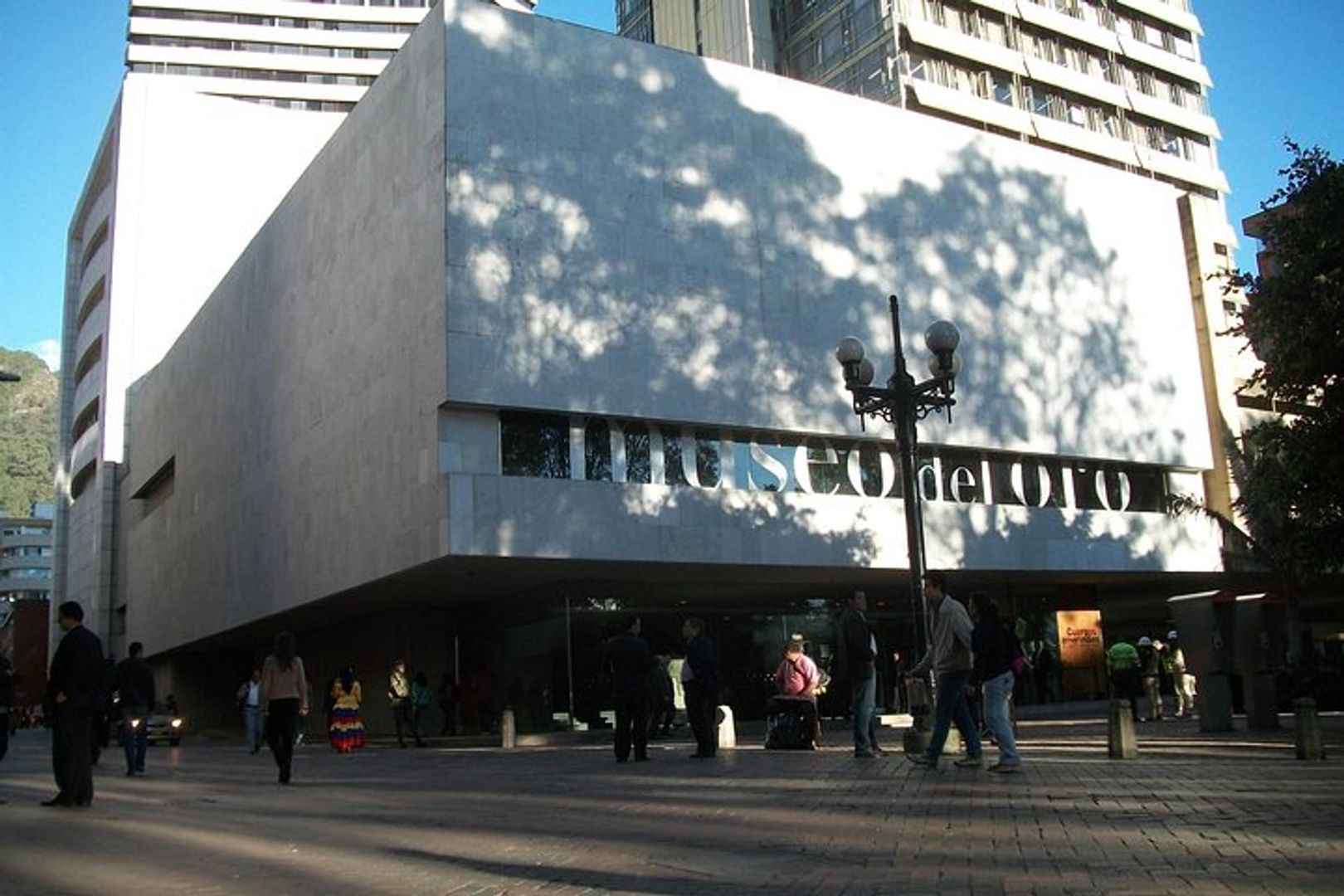
  • How to get there: Reach the base from downtown Bogotá by taxi, TransMilenio bus to “Las Aguas” or “Museo del Oro” station, or on foot from the historic La Candelaria district. Funicular and cable car stations sit at the mountain’s base; hikers use the marked walking trail.
  • Accessibility: The cable car and funicular are wheel-chair accessible. The walking trail is steep and best for fit visitors. Facilities at the top support families and seniors, but expect uneven surfaces.
  • Average visit duration: Two to three hours, including time for ascent, sightseeing, shopping, and eating.
Must see stuff

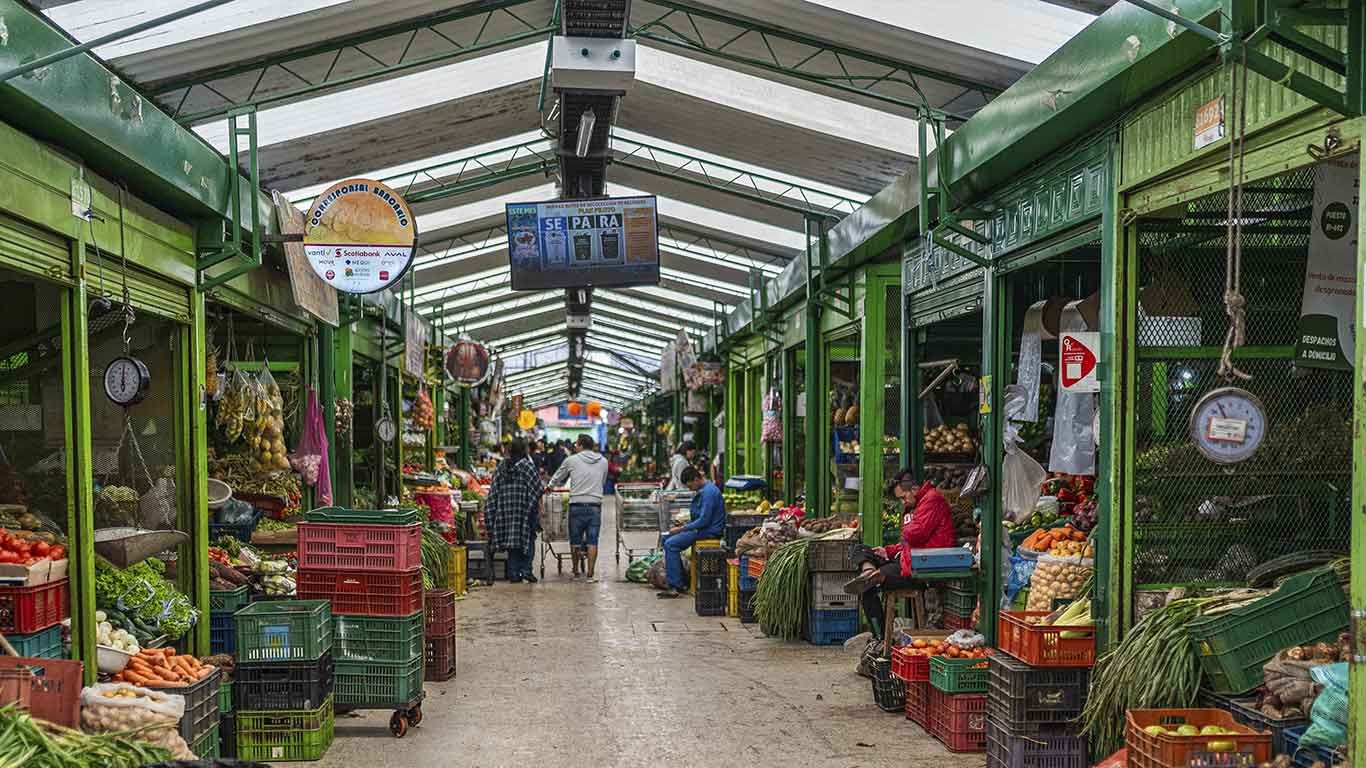
Cerro de Monserrate offers more than a single view. The church at the summit, built in the 17th century, draws pilgrims seeking the shrine of El Señor Caído (“The Fallen Lord”). Beyond the spiritual, crafts markets, casual cafés, and elegant restaurants fill the walkways outside. Bobbing through the vendor stalls reveals rows of fragrant tamales, steaming ajiaco soup, and tiny souvenirs carved from wood or painted in bold Andean colors. Even small gardens and patio overlooks feel magical when perched so high above the teeming capital.

  • Main sights or features: The white-domed Santuario de Monserrate, stone-lined Via Crucis path, viewing terraces with sweeping panoramas, and lush hillside gardens.
  • Unique experiences: Hiking the pilgrimage trail at sunrise, lighting a candle inside the church, tasting fresh empanadas, or joining a local family at a market stall for hot chocolate.
  • Photo-worthy locations: The panoramic terrace next to Café San Rafael, garden steps overlooking the eastern hills, and the plaza in front of the Santuario during golden hour.
  • Cultural or historical facts: For centuries, Monserrate has served as a site for Catholic devotion and public ritual. Local legends tie the hill to both pre-Hispanic beliefs and the city’s colonial past. The summit’s restaurants—Casa San Isidro and Santa Clara—are housed in beautifully restored colonial buildings.

Tips for your visit

A bit of local know-how can make a Monserrate trip memorable for the right reasons. Mornings often deliver calmer crowds and shorter lines for funiculars and cable cars. The walk up the mountain feels strenuous but secure, thanks to regular police patrols and trail-side refreshment stands—though carrying water is smart. The altitude at the summit—over 3,100 meters—means thinner air, so take it slow, especially for children or those unaccustomed to the elevation. Vendors usually accept cash (Colombian pesos), and polite bargaining is common. While the area remains safe during the day, finish your descent before dusk for peace of mind.

  • Best times to avoid crowds: Arrive early (before 9 am) on weekdays, skip public holidays or festival weekends.
  • What to bring: Sturdy walking shoes, rain jacket, hat, sunscreen, water, small bills for snacks and souvenirs, a camera.
  • Local etiquette: Dress respectfully near the church, be patient in slow-moving lines, and greet vendors and staff with a simple “buenos días.”
  • Safety or comfort tips: Monitor for altitude sickness—rest, hydrate, and avoid overexertion. Secure valuables; pickpocketing remains uncommon, but crowds attract opportunists. Pack out any trash to help preserve the mountain’s ecology.