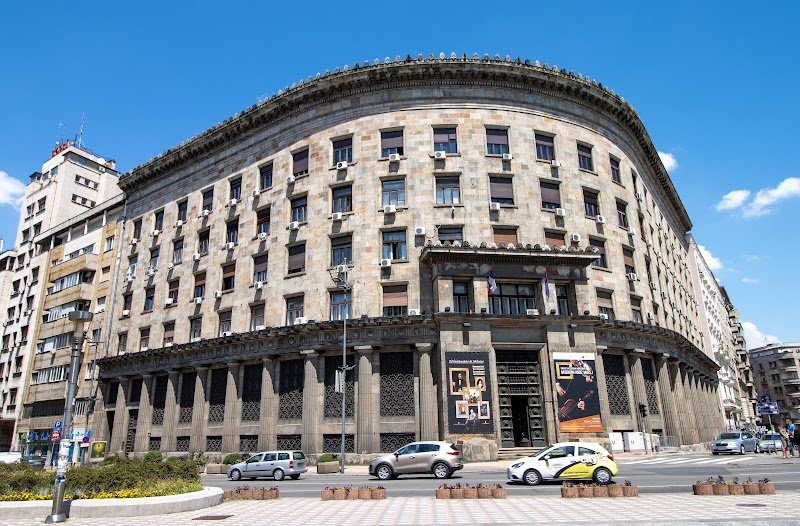
Google Places photo

Historical Museum of Serbia

Belgrade, Serbia
i

Google Places photo

Photo by Marko Gordić

History feels alive inside the walls of the Historical Museum of Serbia, a landmark that brings the nation’s dramatic past into sharp focus. Layers of centuries rest comfortably alongside recent memories, drawing travelers into Serbia’s enduring story. Each exhibit invites reflection, turning an ordinary afternoon into a deep exploration of identity, conflict, and hope.

Visiting Info

Currency
Entrance fee
400 RSD
Hours
Opening hours
Monday: Closed
Tuesday: 12:00 – 8:00 PM
Wednesday: 12:00 – 8:00 PM
Thursday: 12:00 – 8:00 PM
Friday: 12:00 – 8:00 PM
Saturday: 12:00 – 8:00 PM
Sunday: 12:00 – 8:00 PM

Contact Information

Location
Address
Trg Nikole Pašića 11, Beograd 11000, Serbia

Planning your visit

Timing makes all the difference when planning a visit to the Historical Museum of Serbia. While the museum sits within easy reach in central Belgrade, weekdays tend to be quieter, delivering a more personal experience with the exhibits. Visitors should check the museum’s hours and current exhibitions in advance, as opening times may shift seasonally. Tickets are affordable, but some temporary exhibitions may carry an extra fee. Public transport stops are close, and the walk from Republic Square takes under 15 minutes. The building is mostly accessible, though a few areas have steps that may be tricky for guests with limited mobility. Crowds swell on national holidays, so choosing a quieter afternoon promises a more relaxed visit.

  • Best time to visit: Midweek mornings; spring and autumn for milder weather
  • How to get there: Short walk from Republic Square; nearby bus and tram lines; taxis easily available
  • Accessibility: Most galleries wheelchair-friendly; some older sections require assistance
  • Average visit duration: 1.5–2 hours for main exhibits

Must see stuff

The museum presents Serbia’s complex history using personal artifacts, photographs, and multimedia displays. Walking through its halls, guests trace the path from medieval times to the present day, pausing at moments of revolution, resilience, and cultural pride. Each gallery serves as a time capsule: medieval armor sits near photographs from the Yugoslav era; ancient manuscripts share space with modern art installations. Certain rooms focus on daily life, giving a human face to sweeping historical changes. Temporary exhibitions bring new perspectives, often showcasing rarely seen pieces from private collections. Some interactive displays engage younger visitors, making history approachable for families.

  • Sava and Danube Gallery: A sweeping introduction to the rivers’ influence on the region’s fate
  • Royal Serbia Room: Glimpses of royal regalia, official seals, and coronation artifacts
  • Personal Stories Exhibit: Touching objects from ordinary citizens in wartime and peace
  • Photo Highlights: The grand staircase and stone façade; glass display cases reflecting old maps and coins
  • Guided tours: Occasionally available in English, offering deeper cultural context
  • Historic facts: Home to over 35,000 objects; exhibitions explore both national triumphs and tragedies

Tips for your visit

A smooth visit relies on a few simple preparations. Many guests spend longer than expected, surprised by the depth of the displays, so flexible timing works best. The museum’s climate can feel cool, so a light jacket helps, especially in winter. Photography is allowed in most permanent exhibits, though flash should be avoided. Signs are in Serbian and English, making navigation easy. There are benches for quick breaks, but not many places to buy snacks nearby, so a small water bottle and maybe a snack come in handy. Staff members are approachable and happy to answer questions, though some English may be limited outside of official tours. For a quieter visit, arrive close to opening and steer clear of weekends.

  • Best times to avoid crowds: Arrive early on weekdays or during lunchtime
  • What to bring: Comfortable shoes, water bottle, camera (no flash), light jacket
  • Etiquette: Speak softly in galleries, avoid eating in exhibit halls, respect security ropes
  • Safety/comfort: Watch for shallow steps; free lockers available for backpacks and jackets
Historical Museum of Serbia – Tickets, Hours & Visitor Guide