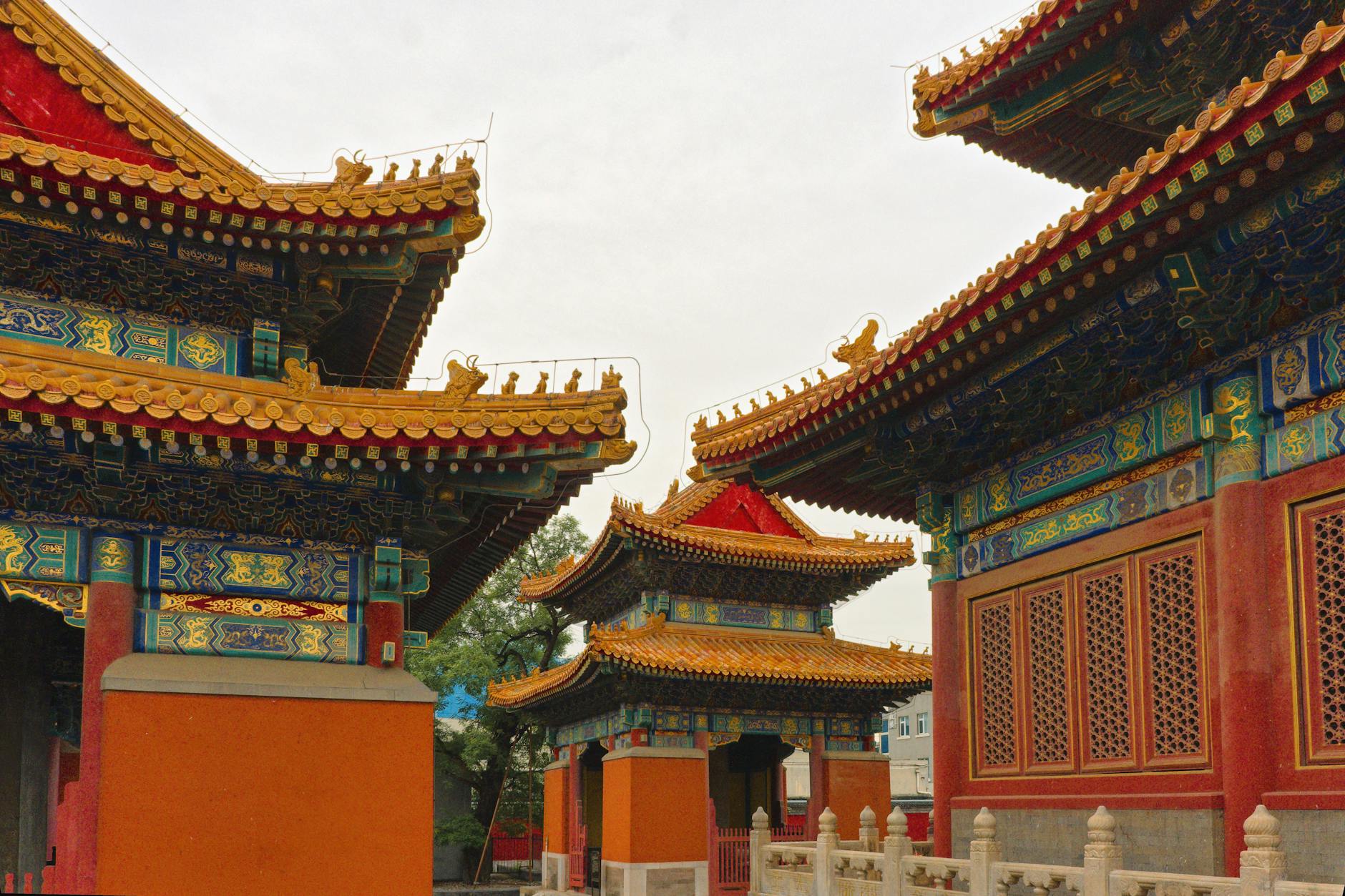
Explore the intricate details of traditional Chinese temple architecture in Beijing, China.
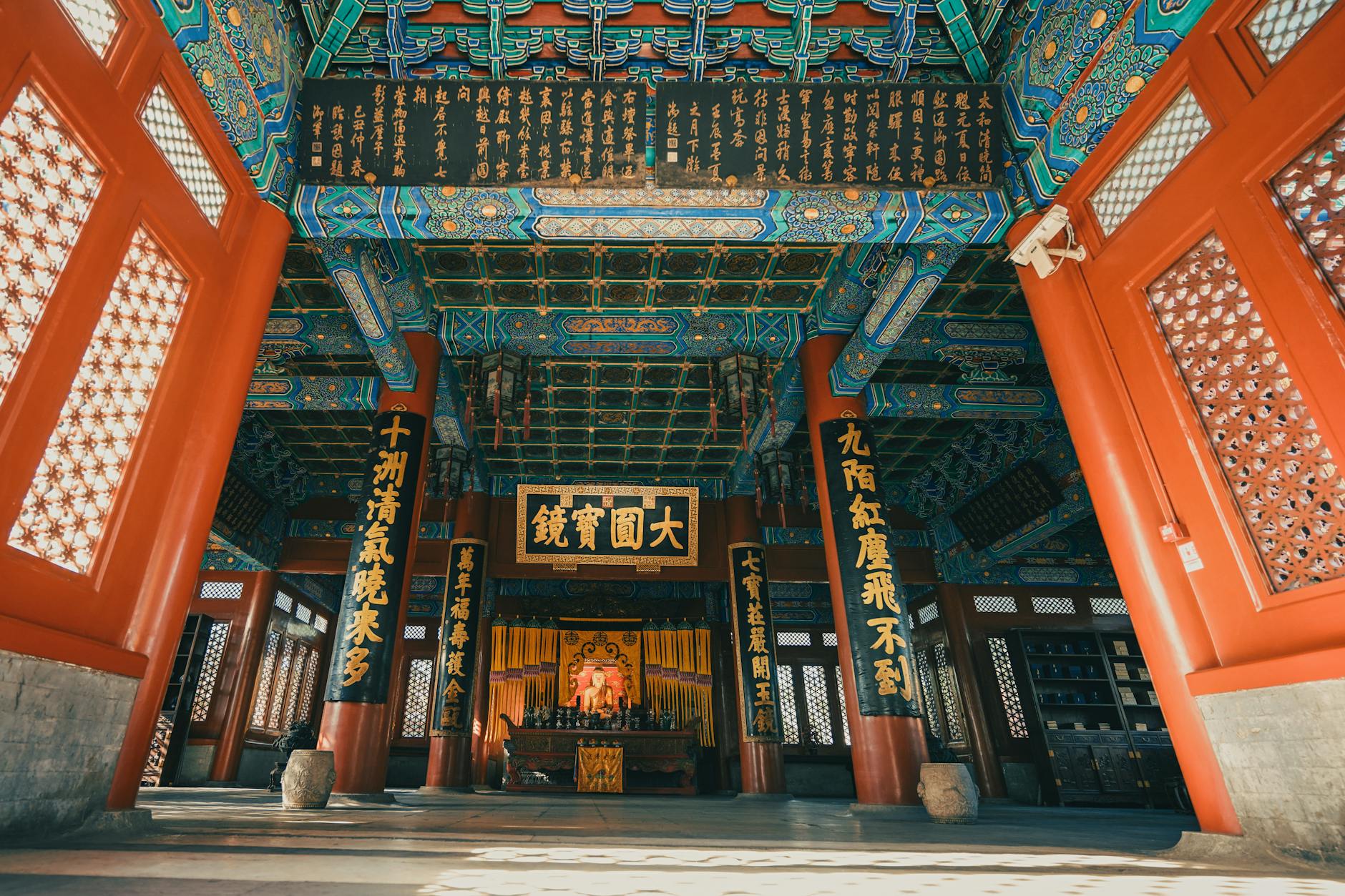
Beautifully ornate Chinese temple interior showcasing intricate designs and vibrant colors.

Lama Temple

Beijing, China
i

Explore the intricate details of traditional Chinese temple architecture in Beijing, China.

Photo by Eric Prouzet

In the heart of Beijing’s bustling streets, Lama Temple stands as a living monument to centuries of spiritual devotion and Tibetan Buddhist culture. Among its red walls and golden roofs, incense swirls rise like prayers through quiet courtyards. The temple feels both grand and intimate, inviting travelers to explore sacred halls or pause beside peaceful gardens. A walk through this complex, rich with tradition, offers a vivid glimpse of cultural life still alive today.

Visiting Info

Currency
Entrance fee
20 USD
Hours
Opening hours
Monday: 9:00 AM – 5:00 PM
Tuesday: 9:00 AM – 5:00 PM
Wednesday: 9:00 AM – 5:00 PM
Thursday: 9:00 AM – 5:00 PM
Friday: 9:00 AM – 5:00 PM
Saturday: 9:00 AM – 5:00 PM
Sunday: 9:00 AM – 5:00 PM

Contact Information

Location
Address
12 Yong He Gong Da Jie, 国子监 Dong Cheng Qu, China, 100011

Planning your visit

Lama Temple, also called Yonghe Temple, is one of Beijing’s most easily accessible historic sites. Travelers find its central location convenient, with clear signs and welcoming staff. While the temple draws both worshipers and tourists, careful planning allows for a charming, less crowded experience. The site is well maintained, with clean facilities and friendly guides. Early mornings, especially on weekdays, usually provide a more tranquil visit. Keep in mind, the temple complex sees heavier crowds on Chinese holidays or weekends. Tickets move quickly during busy hours, so bringing cash and arriving early helps. Photography is allowed outside but restricted inside the main halls.

  • Best time to visit: Autumn or spring offers mild weather, while weekday mornings are least crowded.
  • How to get there: The Yonghegong Lama Temple subway station (Lines 2 & 5) sits just steps away from the main entrance. Taxis and buses also serve the area, but traffic can slow arrival times.
  • Accessibility: Most pathways offer ramps or gradual steps, suitable for families and seniors. Some ancient hall entries have higher thresholds.
  • Average visit duration: Plan for 1.5 to 2 hours to explore all main areas at a relaxed pace.

Must see stuff

Hidden past the temple’s iconic archway, a serene avenue lines up five grand halls. Each hall contains treasures—from imposing bronze statues to delicately painted murals—worth more than a quick glance. Devotees and travelers light incense at ritual burners, while fluttering prayer flags catch each breeze. Crowds gather at the Hall of Harmony and Peace, but quiet corners reveal smaller altars and charming gardens. Look closer, and architectural details tell the story of both imperial and monastic life. Photographers find early sunlight catching the temple’s gold roofs particularly breathtaking. Last but not least, the world’s largest sandalwood Buddha statue, found in the towering Wanfu Pavilion, impresses even seasoned visitors.

  • Key sights or features: Gate of Peaceful Harmony, Hall of Heavenly Kings, Hall of Harmony and Peace, Hall of Everlasting Protection, the 18-meter tall Maitreya Buddha in the Wanfu Pavilion
  • Unique experiences: Watching morning incense rituals, peeking into monks’ quarters, exploring hidden side courtyards
  • Photo-worthy locations: The sparkling courtyard ponds, dragon-carved gates, golden rooflines at sunset
  • Cultural or historical facts: The temple originally served as a prince’s residence before becoming a Tibetan Buddhist monastery in 1744. Its blend of Han and Tibetan styles reflects a unique point in Chinese history.

Tips for your visit

To make the most of a trip to Lama Temple, a bit of preparation pays off. Large crowds pour in on public holidays, especially during Lunar New Year and National Day, so plan visits on regular weekdays if possible. While temple grounds stay clean, bringing a refillable water bottle and some tissues adds comfort. Modest clothing respects both the setting and other visitors. Comfortable walking shoes help on stone paths that, while sturdy, can become slick after rain. Incense sticks are provided for free inside, so no need to shop ahead. Outside food isn’t allowed, but quiet cafes nearby make useful stops later. For a deeper perspective, guided tours in English start from the main ticket gate; these guides share stories about the temple’s history and religious practices, adding context to each hall. Security personnel remain friendly but attentive—no loud noise or running, especially with children in sacred areas.

  • Best times to avoid crowds: Arrive within 30 minutes of opening or just before closing. Midday draws the largest groups.
  • What to bring: Camera (for outdoor areas), water bottle, lightweight scarf or sweater depending on season
  • Local etiquette: Speak quietly inside halls, and avoid photographing monks or worshipers without permission. Always walk around, not in front of, people praying.
  • Safety and comfort: Watch for uneven steps and slick stone underfoot; keep bags zipped to avoid crowd pickpockets during busy hours.

Similar Attractions