China National Film Museum

China National Film Museum

Beijing, China
i

China National Film Museum

Photo by Zong Qin

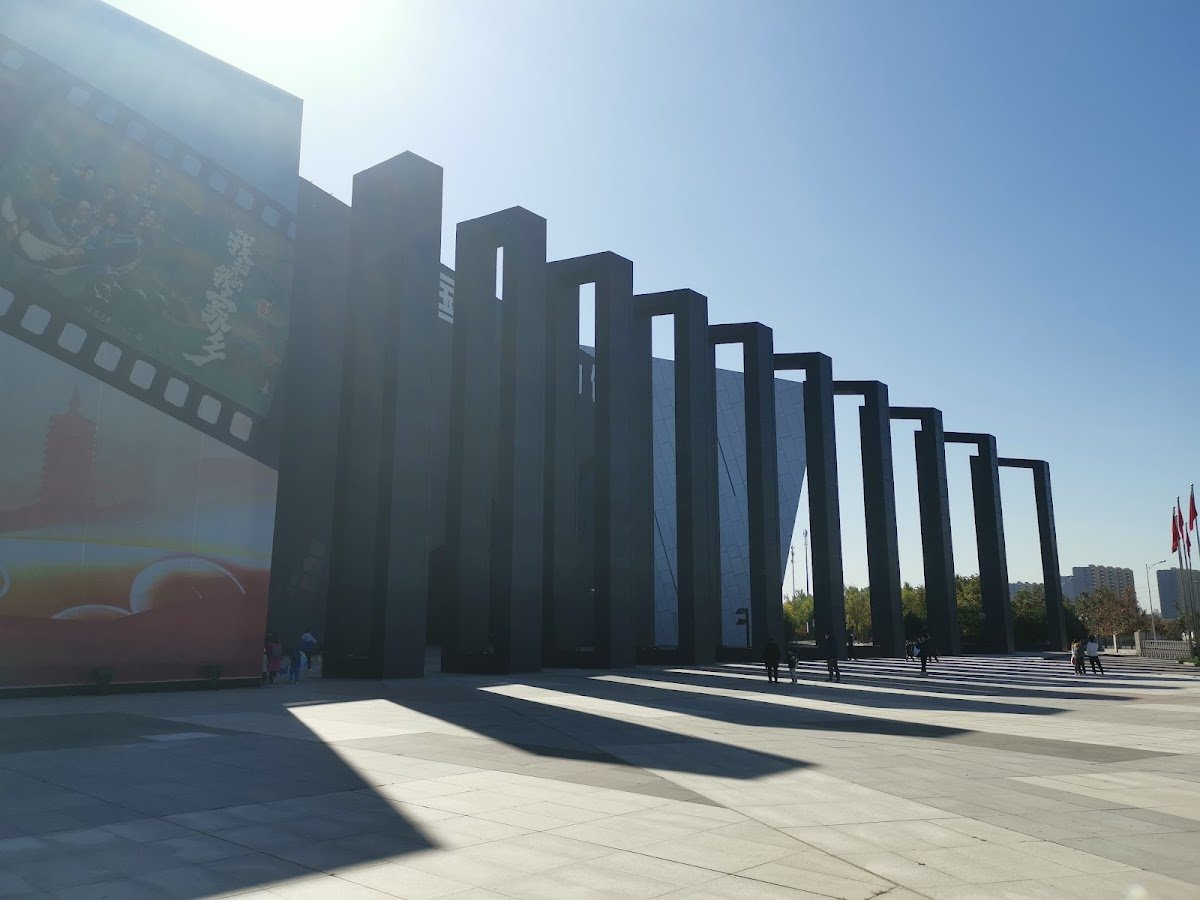
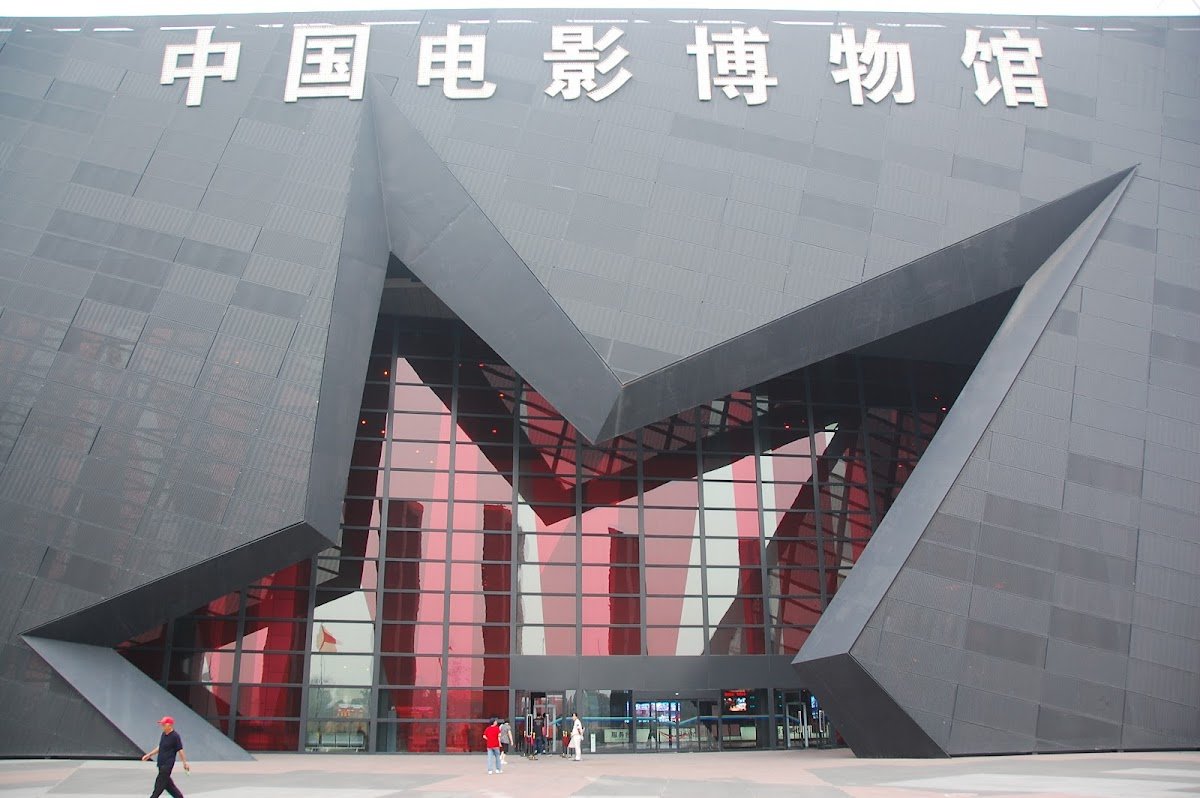
Sweeping, modern, and filled with stories, China National Film Museum brings over a century of cinema to life for both film fans and casual visitors. With interactive exhibits and a building nearly as grand as the art it celebrates, this museum highlights the transformation of Chinese film—from silent classics to modern blockbusters—offering surprises for travelers seeking more than just a surface glimpse into Chinese culture.

Visiting Info

Currency
Entrance fee
Free

Contact Information

Location
Address
9 Nan Ying Lu, Chao Yang Qu, Bei Jing Shi, China, 100015

Planning your visit

A visit to China National Film Museum rewards a little forethought. Set on the northeast outskirts of Beijing, this sprawling site stays quieter than central attractions, though weekends and holidays can bring local families eager to explore. The displays span several floors and wings, so comfortable shoes will make a big difference. Tickets are affordable, with some special exhibitions costing extra. Many signs include English translations, but joining a guided tour can add context to the intricate displays, especially for visitors curious about the industry’s past.

  • Best time to visit: Weekday mornings, especially in spring or autumn, offer the calmest experience. Summer brings larger groups.
  • How to get there: The museum sits near Wangjing or Donghuqu subway stations. From there, a short taxi ride or one of several buses links directly to the entrance.
  • Accessibility: Elevators and ramps make the building friendly for both strollers and wheelchairs. Rest areas break up the walk for seniors and young children.
  • Average visit duration: Around 2–3 hours for the major galleries; film buffs may linger longer with screenings and special exhibits.

Must see stuff

Sweeping glass corridors lead into more than 20 exhibition halls, each filled with costumes, props, and fascinating pieces of China’s movie past. Larger-than-life posters and meticulously restored cameras trace the story of the country’s studios. Some galleries sparkle with familiar kung-fu legends, others dig into stop-motion animation or early silent films that changed how China saw itself.

  • Main Exhibition Halls: Themed galleries cover everything from the birth of national cinema to the latest CGI wonders.
  • Classic Cinema Hall: This working theater screens both Chinese classics and rare indie works, a highlight for film lovers.
  • Interactive Studios: Visitors can dub lines or operate early cameras in hands-on sections designed for families or curious teens.
  • Outdoor Courtyards: Hidden picnic spots and sculpture gardens make for photo ops and quiet reflection – especially the Film Avenue dotted with director statues.
  • Silver Screen Memorabilia: Rare costumes and vintage scripts, including relics from famed directors and actors, provide glimpses into Chinese pop culture.
  • Don’t miss the eerie, half-lit district showing the city’s earliest movie palaces—a slice of Beijing’s own cinema history inside the museum walls.

Tips for your visit

Bringing a bit of preparation can help turn a good day at the museum into a great one. Large enough to tire out even dedicated visitors, the space remains comfortable with the right mindset and supplies. Photography is allowed, though most visitors find the best shots in the upper atrium or garden. Snack options stay basic; consider carrying water and a light bite for young travelers. Respect for the exhibits runs high, with plenty of gentle reminders about not touching certain displays. Compared to other museums, staff here feel more relaxed, happy to offer advice in Mandarin or basic English.

  • Best times to avoid crowds: Aim for mid-week mornings or late afternoons; avoid national holidays.
  • What to bring: Water, a camera, comfortable walking shoes, and a light jacket (the air conditioning can be chilly).
  • Local etiquette or rules: Keep voices down in screening rooms; food and drink allowed only in designated areas.
  • Safety or comfort advice: For families, stroller access is good, but energetic kids will need supervision near delicate displays.