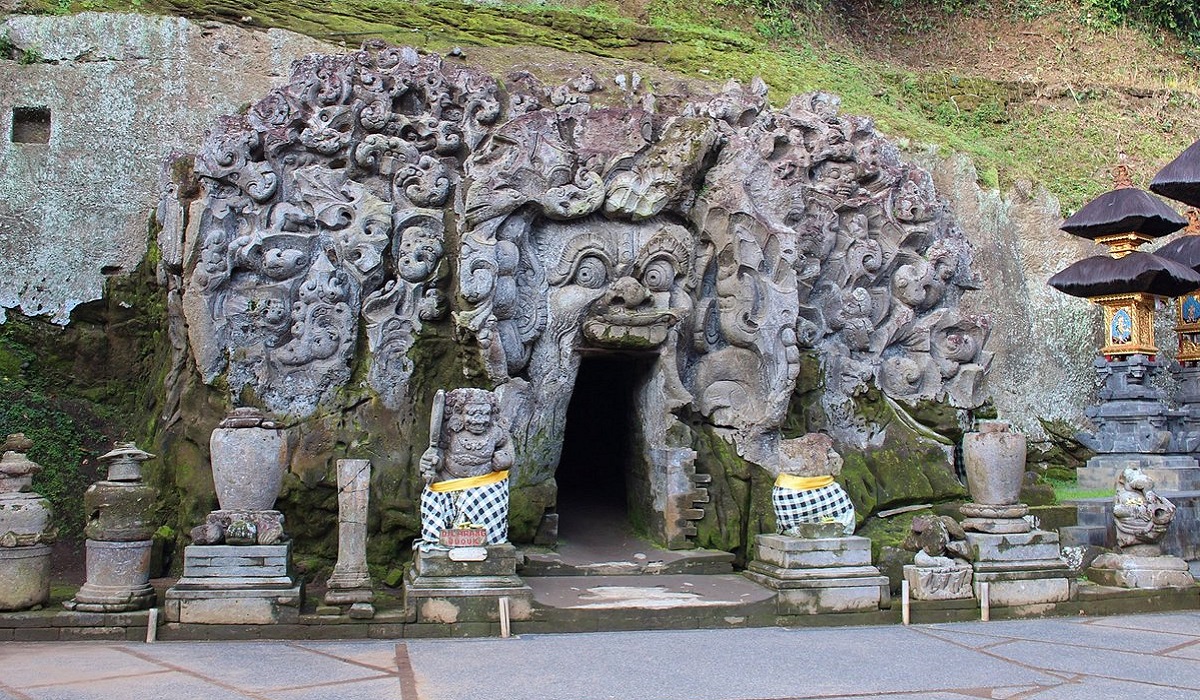
Beautiful view of Goa Gajah

Goa Gajah

Bali, Indonesia
i

Beautiful view of Goa Gajah

Deep in the green heart of Bali lies a mysterious cave, shadowed by giant roots and draped in ancient history. Goa Gajah, also called the Elephant Cave, is neither a zoo nor a temple filled with actual elephants. Instead, it is a centuries-old sanctuary of stone, carvings, and quiet stories—one of those rare places where past and present sit side by side, just waiting to be discovered by curious travelers.

Visiting Info

Currency
Entrance fee
50000 IDR
Hours
Opening hours
Monday: 8:00 AM – 6:00 PM
Tuesday: 8:00 AM – 6:00 PM
Wednesday: 8:00 AM – 6:00 PM
Thursday: 8:00 AM – 6:00 PM
Friday: 8:00 AM – 6:00 PM
Saturday: 8:00 AM – 6:00 PM
Sunday: 8:00 AM – 6:00 PM

Contact Information

Location
Address
Bedulu, Blahbatuh, Gianyar Regency, Bali, Indonesia

Planning Your Visit

Travelers dreaming of mossy ruins and spiritual energy should plan their Goa Gajah adventure with care. Sitting on the outskirts of Ubud, the cave can draw both big tour groups and solo seekers. Early mornings often bring the softest light and the least bustle. Later in the day, crowds thicken and the air gets heavier—though the magic remains.

  • Best time to visit: Dry season (April to September) offers cooler walks. Arrive before 10 am for quieter moments.
  • How to get there: Taxis, motorbikes from Ubud (15-minute drive). Local tours and ride-hailing apps are popular and affordable.
  • Accessibility: Some steps and roots can challenge strollers or wheelchairs. Seniors comfortable with uneven paths usually manage fine.
  • Average visit duration: One to two hours lets you see everything without a rush.

Must See Stuff

Goa Gajah impresses right from the start. That jaw-like mouth carved into the cave’s entrance promises secrets inside. But the highlight isn’t just the famous demon facade. Strolling the grounds, visitors find hidden treasures—some obvious, others easy to miss unless you slow down and look closely. Colored cloths tied to trees. Trickling fountains. A hush unlike anywhere else in Bali.

  • Main cave & carvings: Step inside the dark cavern where incense curls around shrines to Ganesha and Shiva. Examine the grimacing face at the entrance—a mystery whose story keeps changing.
  • Pools and statues: Outside, six female stone figures spill water into bathing pools, a sacred spot for ritual cleansing since the 11th century.
  • Jungle paths: Hidden steps lead down to a leafy ravine, a quieter escape away from the main crowds. Find old Buddhist ruins if you follow the winding trail far enough.
  • Photo moments: The best shots frame the tangled roots, carved faces, and mossy stones together. Early sun makes everything glow green.
  • Culture and history: Built in the 800s, Goa Gajah once welcomed both Hindu and Buddhist priests—a rare meeting place for two faiths.

Tips for Your Visit

A visit to Goa Gajah goes smoother if you know what to expect. Even on a hot day, the trees provide cool shade, but the humid air can surprise anyone used to a breeze. Sarongs (long cloths) are a must for all visitors, covering knees and shoulders as a sign of respect—rentals are offered at the entrance if you forget. A few minutes spent reviewing local customs will help you blend in, not stand out. And a little patience often means getting photos without other tourists in the frame.

  • Best times to avoid crowds: Arrive close to opening for the quietest experience, or visit near closing as the day calms down.
  • What to bring: A water bottle, hat, and good walking shoes. Bring a camera or phone—just be mindful of others’ meditative moments.
  • Etiquette: Speak softly. Always step around prayer spaces or people making offerings. Wear your sarong properly over shorts or skirts.
  • Safety and comfort: Slippery stones and tangled roots mean watchful steps are essential, especially after rain. Tap water is not drinkable; stick to bottled drinks.
Goa Gajah – Tickets, Hours & Visitor Guide