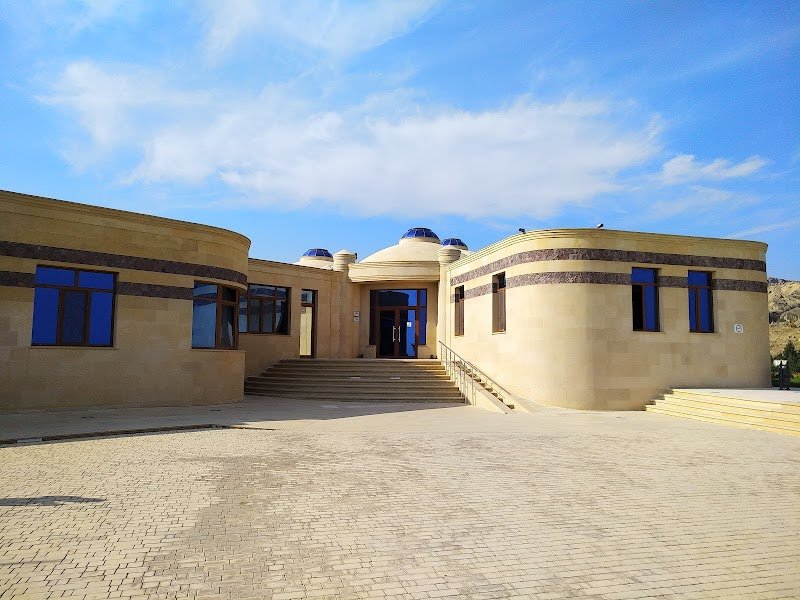
Google Places photo

Gobustan National Park Museum

Baku, Azerbaijan
i

Google Places photo

Photo by Mikhail Klimov

Across the arid hills along the Absheron Peninsula, Gobustan National Park Museum stands like an open-air history book. Here, ancient carvings and surreal landscapes create a rare bridge from the Stone Age to modern Azerbaijan. Travelers seeking both wonder and wisdom will find brushstrokes of both in Gobustan’s stone galleries and innovative museum space.

Visiting Info

Currency
Entrance fee
10 AZN
Hours
Opening hours
Monday: 10:00 AM – 5:00 PM
Tuesday: 10:00 AM – 5:00 PM
Wednesday: 10:00 AM – 5:00 PM
Thursday: 10:00 AM – 5:00 PM
Friday: 10:00 AM – 5:00 PM
Saturday: 10:00 AM – 5:00 PM
Sunday: 10:00 AM – 5:00 PM

Contact Information

Location
Address
40°05'52.0"N 49°22'58., дом 6, 6 Maktab, Baku, Azerbaijan

Planning your visit

Planning a journey to Gobustan National Park Museum rewards early risers and well-prepared explorers. The site rests about 65 kilometers southwest of Baku, making it a convenient day trip. While the wind-swept steppe and basalt ridges look untouched, visitor amenities—including a modern interpretative center—provide comfort and guidance. The harsh midday sun and growing popularity mean crowds can cluster at peak times, especially during public holidays.

  • Best time to visit: Spring (April–June) and fall (September–October) offer mild weather. Mornings see smaller crowds and gentler temperatures.
  • How to get there: Buses and group tours depart from Baku; private taxis cost more but allow greater flexibility. Self-drivers should watch for limited signage near the park entrance.
  • Accessibility: Most museum paths and the interpretative center are paved and walker-friendly, but the petroglyph trails require sturdy shoes and moderate mobility.
  • Average visit duration: Three to four hours covers both the museum exhibits and main petroglyph trails.

Must see stuff

No visit feels complete without wandering through the rocky outcrops that cradle more than 6,000 rock carvings, some etched 40,000 years ago. The Gobustan National Park Museum building itself—a sleek, glass-paneled structure—unfolds the secret lives of ancient people through interactive displays. Outside, mud volcanoes bubble away, steam rising against a dramatic mountain horizon. Despite the crowds around the major carvings, a few less-trodden boulders reward those willing to scramble just a little farther.

  • Key sights: The Boyukdash Mountain carvings, Gaval Dash (the ‘singing rock’), and the museum’s 3D archaeological displays.
  • Unique experiences: Feeling the Gaval Dash resonate when struck, joining an expert-led walking tour, or catching sunset shadows over the steppe.
  • Photo-worthy locations: Cliffside overlooks of Caspian coast, shots beside mud volcanoes, selfie with ancient goats carved in stone.
  • Cultural or historical facts: Petroglyphs depict dances, hunting scenes, and early boat designs—testimony to Gobustan’s role as a cradle of prehistoric culture and commerce.

Tips for your visit

Well-worn pathways and gusty winds sometimes surprise unprepared visitors. Sunlight here can be intense and shade rare along the open trails, so come equipped. Tour guides add invaluable context, decoding the silent stories carved into the cliffs. Yet for those seeking solitude, visiting earlier or on weekdays creates space for quiet contemplation. Bathrooms and refreshments are only available at the museum complex, not on the petroglyph trails.

  • Best times to avoid crowds: Tuesdays and Wednesday mornings see fewer tour groups.
  • What to bring: Water, a sun hat, walking shoes with grip, a camera or smartphone, and snacks.
  • Local etiquette or rules: Avoid touching petroglyphs; stick to marked paths; trash bins are scarce—carry all waste back.
  • Safety or comfort advice: Watch for loose rocks on trails and mind the strong breeze. Families should keep a close eye on children as cliffs are unguarded in places.
Gobustan National Park Museum – Tickets, Hours & Visitor Guide