Atashgah Zoroastrian Fire Temple

Atashgah Zoroastrian Fire Temple

Baku, Azerbaijan
i

Atashgah Zoroastrian Fire Temple

Photo by Олег Скачков

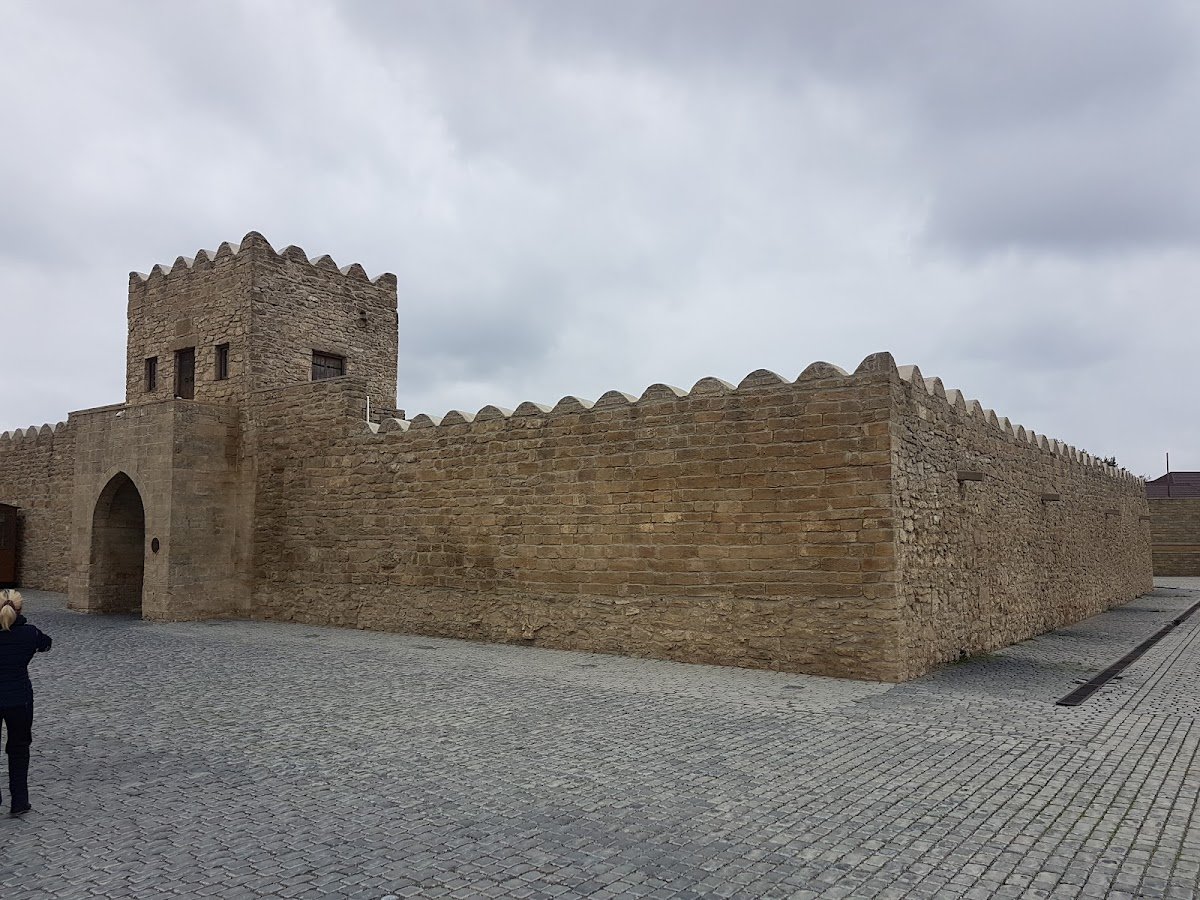
Rising from the windswept outskirts of Azerbaijan’s capital, the Atashgah Zoroastrian Fire Temple stands as an echo—one of the last great testimonies to fire worship on the Silk Road. Travelers arrive in search of ancient flames and centuries-old legends. History swirls beside the persistent, real fire that still burns in the cobbled courtyard. Around the temple’s humble walls, Persian script mingles with modern graffiti, while the past and present converse in a dance impossible to find elsewhere.

Visiting Info

Currency
Entrance fee
9 AZN
Hours
Opening hours
Monday: 10:00 AM – 7:00 PM
Tuesday: 10:00 AM – 7:00 PM
Wednesday: 10:00 AM – 7:00 PM
Thursday: 10:00 AM – 7:00 PM
Friday: 10:00 AM – 7:00 PM
Saturday: 10:00 AM – 7:00 PM
Sunday: 10:00 AM – 7:00 PM

Contact Information

Location
Address
C285+9J4, Baku, Azerbaijan

Planning your visit

Travelers dreaming of the Atashgah Zoroastrian Fire Temple should map out the trip carefully. Located about 30 kilometers east of central Baku, the site is a short drive yet feels a world apart. The winds of the Absheron Peninsula, often sharp in winter, lend atmosphere but can challenge comfort. Summer brings long days, dry heat, and larger crowds. Tickets are available on site, though lines sometimes form on weekends and during local holidays. Most visitors find early morning or late afternoon visits particularly pleasant, both for cooler weather and softer natural light.

  • Best time to visit: Spring and early autumn offer mild temperatures and thinner crowds. For photography, arrive just after opening or before closing.
  • How to get there: Reliable options include taxis, public bus No. 184 from Baku’s Koroglu metro, or arranging a guided half-day tour.
  • Accessibility: The site is level and mostly stroller-friendly, with ramps for wheelchairs. Restrooms and a modest visitor center are nearby.
  • Average visit duration: 60–90 minutes allows for thorough exploration and quiet reflection.

Must see stuff

Travelers explore Atashgah not just for its fire, but for a rare glimpse into multicultural spiritual crossroads. The walled rectangular sanctuary surrounds a shrine with a rooftop fire altar, where natural gas vents fueled continuous flames for hundreds of years. The complex also includes monk cells, Persian and Sanskrit inscriptions, and an engaging museum describing both Zoroastrian traditions and the later Hindu influences that shaped temple life. Shadows lengthen across flagstones as the light changes, setting photographers’ hearts racing. Even the less-visited corners—like the quiet back cells—invite a moment’s pause to imagine ancient pilgrims at prayer.

  • Key sights: The fire altar, which once hosted an eternal flame (today maintained through gas), the clustered monk cells, and a courtyard dotted with information plaques.
  • Unique experiences: Attend a guided cultural tour for rich narrative, or linger at sundown when afternoon light dances on sandstone walls.
  • Photo-worthy locations: Capture the juxtaposition of flame against blue sky above the altar, detailed stonework inscriptions, and silhouettes of the original domes.
  • Cultural or historical gems: Learn how Zoroastrians revered fire as purity’s symbol while Hindu traders later supported the site’s upkeep, proof of centuries of intercultural exchange on the Caspian’s edge.

Tips for your visit

Though the temple site is compact, thoughtful planning adds depth to the experience. Early visits offer tranquility for spiritual contemplation, while guides sometimes linger at opening or closing for one-on-one conversations. Summer afternoons, particularly on weekends, can bring not only crowds but strong sun and brisk winds—bring hats and bottled water. Interpretive signs are available in several languages, but a pamphlet or basic research helps deepen understanding. Despite the site’s open feel, climbing on walls or touching artifacts is strictly prohibited. Prepare to spend time in the open air—shade is limited, but the subtle magic of windswept quiet is abundant.

  • Best times to avoid crowds: Weekday mornings right at opening; late afternoons on mild days.
  • What to bring: Comfortable walking shoes, a refillable water bottle, sun hat, and a camera or phone for photos.
  • Local etiquette: Treat inscriptions and displays with respect; voices should stay low, especially in prayer areas.
  • Safety or comfort tips: Weather can change swiftly: carry an extra layer for wind or a scarf. Always watch footing on older flagstones, which can be uneven.
Atashgah Zoroastrian Fire Temple – Tickets, Hours & Visitor Guide