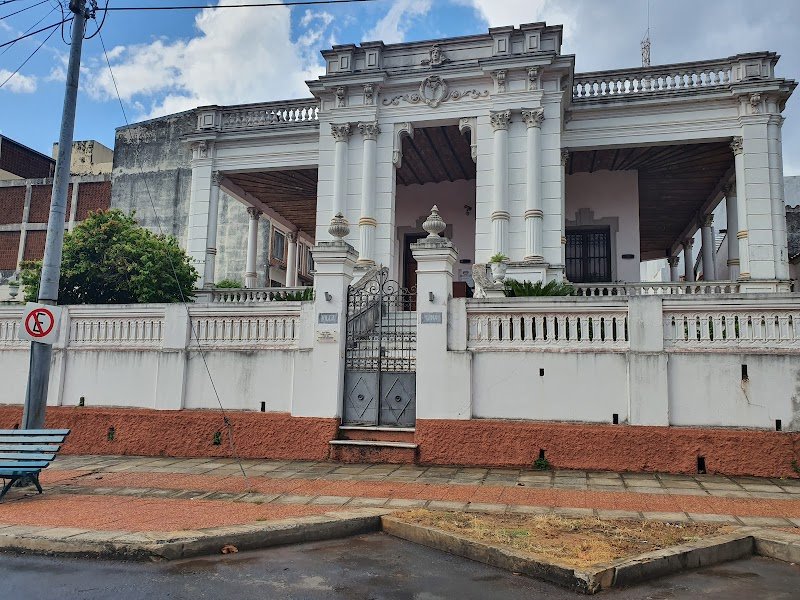
Google Places photo

Museum of Sacred Art

Asunción, Paraguay
i

Google Places photo

Photo by CMS

Quietly tucked within older Asunción, the Museum of Sacred Art offers a unique window into Paraguay's spiritual and cultural tapestry. Both tranquil and fascinating, this museum brings together history, devotion, and artistry within its serene cloisters and softly lit halls. Stained glass throws gentle color on ancient relics, while timeworn wooden doors invite visitors to discover a story that stretches back centuries. For travelers curious about the intersection of faith and art in South America, few places offer such an immersive experience.

Visiting Info

Currency
Entrance fee
Free
Hours
Opening hours
Monday: Closed
Tuesday: Closed
Wednesday: Closed
Thursday: Closed
Friday: 9:00 AM – 6:00 PM
Saturday: 9:00 AM – 6:00 PM
Sunday: Closed

Contact Information

Location
Address
P968+4QW, M Dominguez, Asunción 001101, Paraguay

Planning your visit

Advance planning makes a visit to the Museum of Sacred Art truly rewarding. While not typically crowded like the city’s major plazas, the museum does receive a steady stream of guests, especially on weekends. Quiet mornings or weekday afternoons best suit those seeking reflection or inspiration. The museum sits a short drive from central Asunción, close enough for a quick taxi ride, yet tucked away enough to feel off the beaten path. Admission is modestly priced, and tickets are available on arrival. Smiling attendants are ready to help, though a little Spanish or Guarani helps with signs and conversations.

  • Best time to visit: Weekday mornings or late afternoons for fewer crowds; May–August enjoy cooler, comfortable weather
  • How to get there: A ten-minute taxi or ride-share from downtown Asunción; local buses stop nearby on Avenida Mariscal López
  • Accessibility: Mostly ground floor access; gentle ramps suit families and seniors, though one upstairs gallery requires climbing stairs
  • Average visit duration: 60–90 minutes, with extra time recommended for guided tours or deeper exploration

Must see stuff

The Museum of Sacred Art gathers centuries of devotion under one roof. Visitors find themselves surrounded by beautiful Jesuit and Franciscan carvings, intricate altarpieces, and folk masks animated by both faith and local tradition. Glimpse silver chalices, worn with the passage of countless masses, and paintings whose faces still glow with mysterious reverence. The garden courtyard, peaceful and shaded by old trees, invites a break between galleries. Don’t miss the library—a small, charming space filled with rare liturgical books. Every artifact tells its own layered story, from colonial splendor to humble village devotion.

  • Colonial-era statues: Beautifully carved saints and angels from the 17th and 18th centuries
  • Painted altars and processional crosses: Vibrant woodwork used in Asunción’s oldest churches
  • Folk nativity displays: Seasonal exhibitions featuring hand-made creches with a Paraguayan twist
  • Photogenic cloister: A leafy courtyard that frames ornate doors and frescoes—ideal for quiet reflection or snapshots
  • Historical timelines: Exhibits summarizing the role of religious missions and art in Paraguayan society

Tips for your visit

A little local knowledge helps unlock the best of the Museum of Sacred Art. Most guides speak Spanish but share stories happily with patient listeners—so a phrasebook or translation app comes in handy. Dress comfortably but respectfully; some rooms display sacred relics still central to local festivals. Photography is allowed in most public gallery spaces, but always check signs before snapping pictures of sensitive pieces. For a truly memorable experience, time a visit with a special event like All Saints’ Day, when the museum glows with extra energy and visitors mingle in the courtyard’s gentle evening light.

  • Best times to avoid crowds: Arrive early on weekdays; avoid Holy Week and major holidays for a quieter atmosphere
  • What to bring: Comfortable shoes, a bottle of water, modest clothing for sacred spaces, camera or phone for photos
  • Local etiquette: Speak quietly inside galleries, show respect near altars and religious objects, greet staff with a smile
  • Safety or comfort advice: Some areas are dimly lit or have uneven tile floors; watch your step and take your time exploring

Similar Attractions

Museum of Sacred Art – Tickets, Hours & Visitor Guide