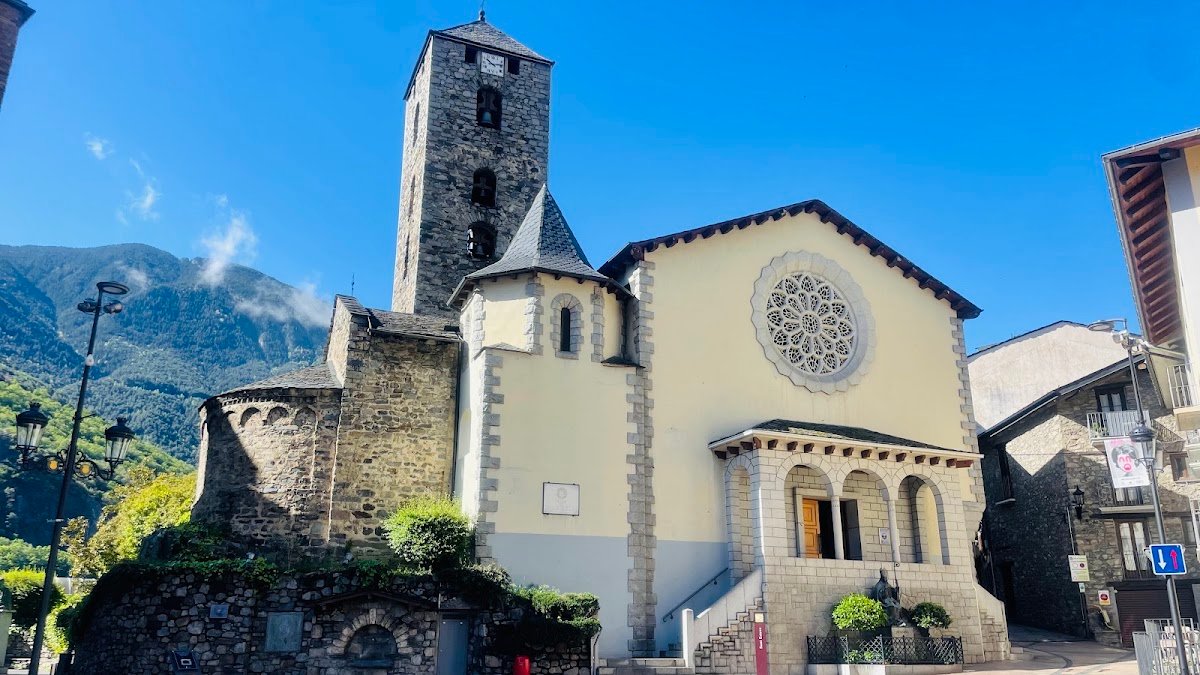
St Esteve of Andorra Church

St Esteve of Andorra Church

i

St Esteve of Andorra Church

Photo by Steven FAN

Rising quietly at the edge of Andorra la Vella’s lively streets, St Esteve of Andorra Church stands as a timeless window into the country's medieval soul. Its stone walls, simple yet graceful, tell stories older than most European capitals. Families, solo explorers, and photographers all gather at this Romanesque church to soak up art, history, and mountain serenity inside one compact yet fascinating site.

Visiting Info

Currency
Entrance fee
Free

Contact Information

Location
Address
Carrer de la Vall, 6, AD500 Andorra la Vella, Andorra

Planning your visit

A successful trip to St Esteve of Andorra Church starts with smart timing and easy logistics. This centuries-old site sits a comfortable walk from central Andorra la Vella, offering a tranquil spot even during the city’s busier periods. Most travelers find the church uncrowded, especially on weekday mornings. No tickets are needed for basic entry, although guided tours sometimes require advance sign-up. While parking in the city center can be tricky in high season, public transport and wide pavements make it accessible for almost everyone.

  • Best time to visit: Late spring or early autumn mornings promise fewer crowds and pleasant temperatures. For quiet moments, aim for weekday openings just after 10 a.m.
  • How to get there: Walk from the city center in about 10 minutes or take one of the frequent city buses; taxis and some hotel shuttles are also available.
  • Accessibility: Paved walkways ease the path for families, strollers, and seniors, though parts of the interior have uneven flooring due to its age.
  • Average visit duration: Most people spend around 45 minutes, with history buffs lingering up to 90 minutes to soak in details.

Must see stuff

St Esteve’s exterior might seem serene, but step inside and the atmosphere fills with centuries of devotion and artistry. Dark timber beams, hand-carved pews, and a striking semicircular apse frame the space, while flashes of color from ancient frescoes shimmer in the gentle light. Outside, mountain air mixes with incense wafting from recent services, and the compact church plaza provides panoramic views of the Pyrenean foothills—a vivid reminder of Andorra’s unique geography.

  • Key sights: The Romanesque apse features twelfth-century frescoes, some original, others expertly restored. The simple altar and choir stalls show the woodwork tradition of Andorra. Don’t miss the bell tower, short but robust, watching over the valley.
  • Unique experiences: Occasional evening concerts blend local music tradition with stone acoustics, and on rare feast days, candlelight processions recreate medieval rituals. Guided tours add context but rarely crowd the space.
  • Photo-worthy spots: The outside chapel door, framed by mountain backdrops, creates postcard-perfect compositions. Inside, stained glass windows glow most beautifully in the afternoon.
  • Cultural facts: St Esteve has served Andorran worshippers since the 1100s, surviving fires, renovations, and political change. The oldest bells were recast using metal from former military canons—a blend of peace and history.

Tips for your visit

Comfort and respect play a big part in making the most of a visit to St Esteve of Andorra Church. Weekends in summer invite bigger crowds, while winter visits mean brisk walks from the center and heavier coats. Modest dress is appreciated—shoulders covered, hats removed—as the church remains an active religious site. Plentiful daylight pours in, but flash photography is discouraged near fragile frescoes. Water bottles help for hillside treks, and good shoes prevent slips on ancient, sometimes uneven stones surrounding the church.

  • Best times to avoid crowds: Try mid-morning on Tuesday or Wednesday, and check the city calendar for local holidays.
  • What to bring: Bring a refillable water bottle, comfortable walking shoes, a camera (no flash inside), and a light sweater for cool interiors.
  • Local etiquette: Speak quietly, avoid phone calls, and don’t bring food or loud toys. Photography is welcomed in most areas, but always check signs.
  • Safety and comfort: Take care on steep paths or during rainy weather, when cobblestones can be slippery. The church is usually pleasantly cool, but heat waves do sometimes warm up the interior in summer months.