republic of the philippines, manila, cathedral, church, manila, manila, manila, manila, manila
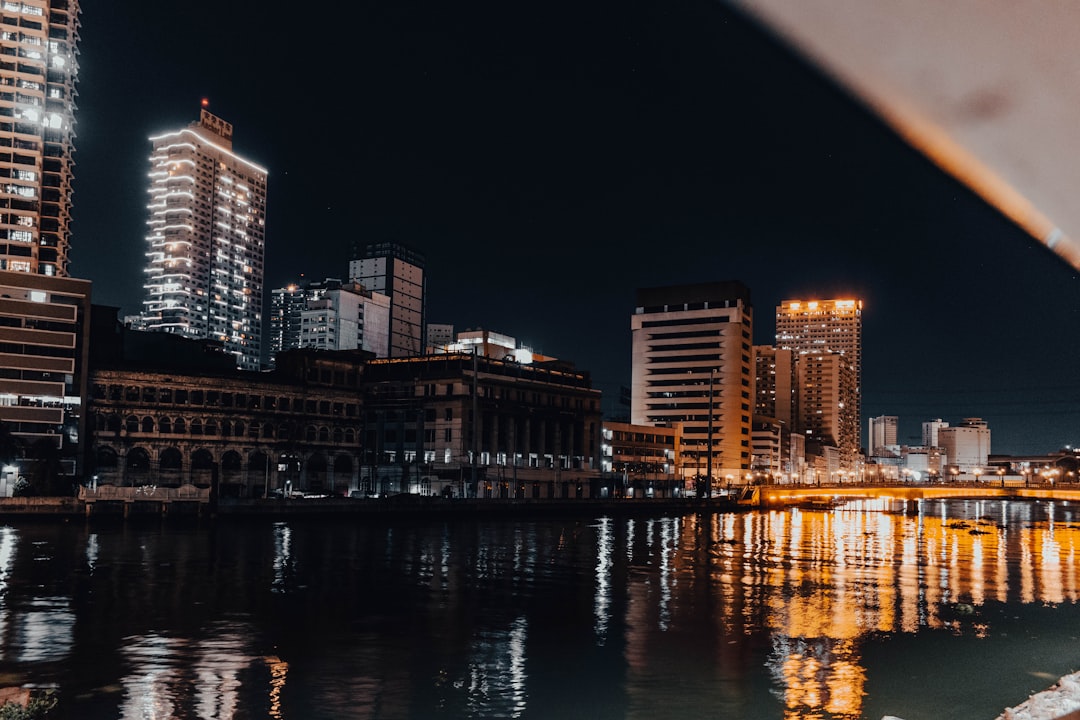
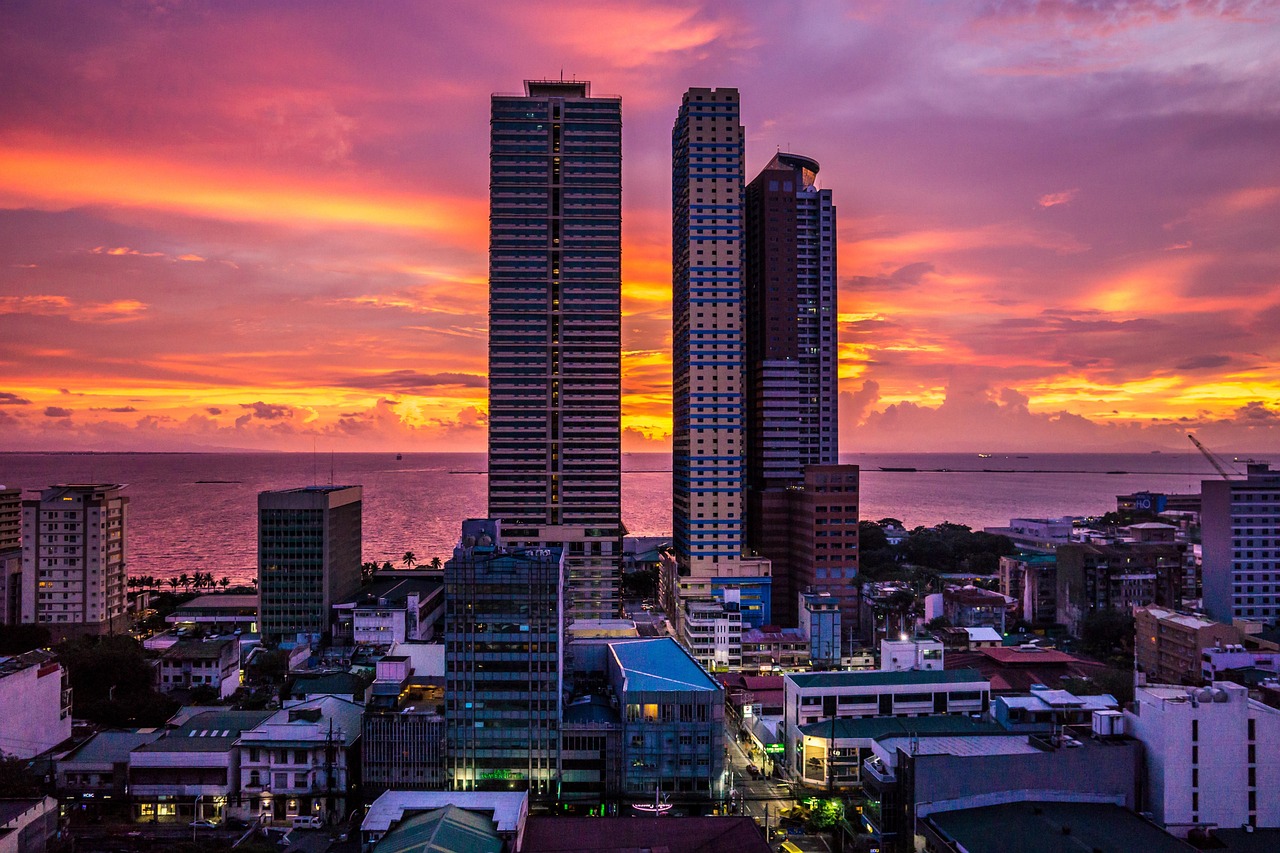
a view of a city at night from across a river
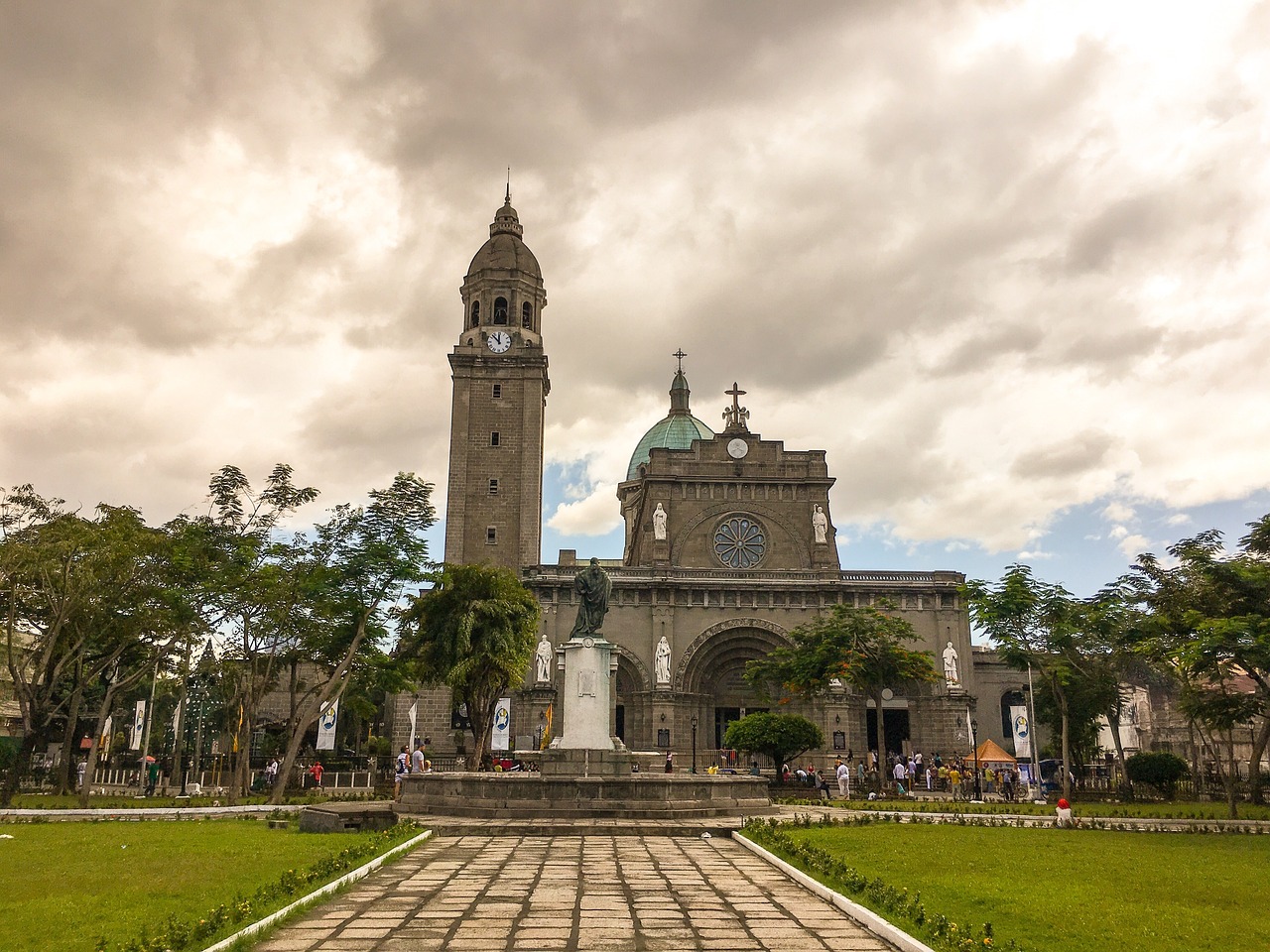
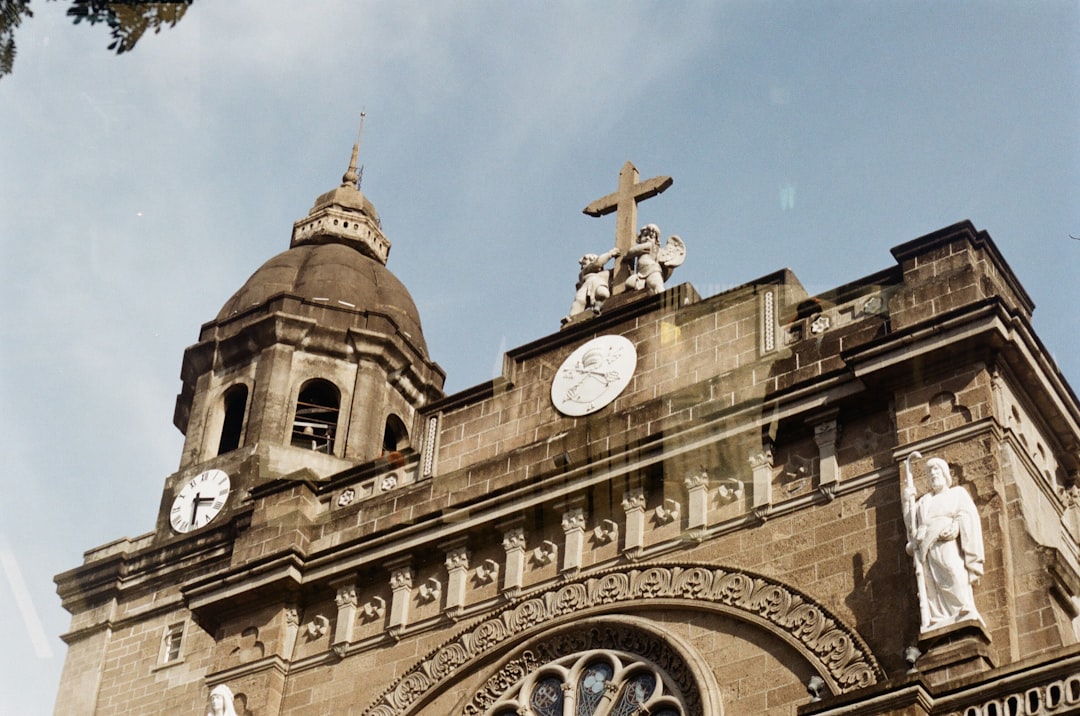
low-angle photography of brown concrete church building
manila, city, manila bay, night, sea, sunset, skyscraper, nature, skyscrapers, philippines

Manila

Philippines
HistoricalCulturalMarketplace & ShoppingCulturalReligious & SpiritualUrban HighlightsReligious & SpiritualMarketplace & ShoppingUrban HighlightsHistorical
i

republic of the philippines, manila, cathedral, church, manila, manila, manila, manila, manila

Photo by radiobj5

Manila hits you like a burst of warm air and diesel fumes, sticky with life and noise. Jeepneys rumble past painted like carnival floats, packed with passengers and street-market scents. Dive into Quiapo for piled spices, amulets, and the thrum of bargains shouted over traffic. Stroll through Intramuros’s cobbled shadows, where horse-drawn carriages clip past stone walls. Across the bay, sunset spills orange over water, fishing boats silhouetted against neon high-rise lights. At a Binondo diner, slurp noodles rich with garlic and soy, steam fogging the window. Music drifts from open-air bars, laughter mingling with the smell of grilled skewers. Manila’s heat can fray your nerves, but lean into its chaos and you’ll find a rhythm that’s all heart.

Quick Facts

currency
PHP
languages
Filipino, English
airports
Ninoy Aquino International Airport
size
Mega City
power
Type A, Type B, Type C
timezone
Asia/Manila
safety
Moderately safe
costs
Cheap

General Information

Safety indexManila has a moderate safety index. While major tourist areas are generally safe during the day, petty crimes like pickpocketing, bag snatching, and scams can occur, especially in crowded places. Exercise standard precautions at night and avoid poorly lit areas. Be cautious with valuables and use official taxis or ride-hailing apps. Police presence is relatively strong in main districts.

Best Time to TravelThe best time to visit Manila is during the dry season, from December to April. These months offer pleasant weather with less rainfall, making it ideal for sightseeing and outdoor activities.

Least crowded and still a good time to visitA good alternative is late November or early May. These shoulder periods are less crowded than peak season but still have relatively good weather. You may experience occasional rain, but tourist sites and accommodations are quieter and often more affordable.

BudgetManila is a budget-friendly city compared to many Asian capitals. Backpackers can get by on $30-50 USD per day, including dorm accommodation, local food, and public transport. Mid-range travelers should budget $60-120 USD for comfortable hotels, meals in restaurants, and some private transport. Higher-end experiences can range upwards, but overall costs remain reasonable.

Healthcare and VaccinationsHealthcare facilities in Manila are developed and private hospitals provide quality care, though public systems may be crowded. It is recommended to have travel insurance that covers medical emergencies. Travelers should consider vaccinations for Hepatitis A and B, Typhoid, and be up-to-date on routine vaccines. Dengue and other mosquito-borne diseases are present, so use insect repellent and take preventive measures. Tap water is not potable; stick to bottled or filtered water.

Visa RequirementsMany nationalities, including those from the US, EU, UK, Australia, Canada, and most ASEAN countries, do not require a visa for stays up to 30 days. Visitors must have a passport valid for at least six months beyond entry and a return or onward ticket. Visa extensions are possible at immigration offices in the Philippines. Always check up-to-date entry requirements prior to travel.

Weather in Manila

°C°F
39102
3392
2882
2271
1661
Jan
Feb
Mar
Apr
May
Jun
Jul
Aug
Sep
Oct
Nov
Dec
3020100
Avg. min. temperature
Avg. max. temperature
Avg. precipitation days

First-time travelers

Manila brims with motion, color, and contradiction—a city that pulls you in, often before you’re ready. For newcomers, the city offers a culture that straddles history and modern chaos. Streets burst with energy; scents of frying garlic and jeepney exhaust drift as one.

Begin at the Core

The heart of Manila beats inside Intramuros. This old walled district, a stone guardian since the Spanish era, hums with echoes of the past. Walk early, before the midday heat bakes the cobblestones. Hear horse hooves on the street as a kalesa trots by. Pause under the looming towers of San Agustin Church, a UNESCO icon showing the city’s layered soul.

Step through rustic wooden doors at Casa Manila museum and feel the rich past of merchant families. On weekends, students strum guitars beneath banyan trees in Plaza Roma. You may lose the city’s restlessness here, if only for a moment.

Flavors and Faces

Settle into a simple eatery by Quiapo Church. Order a bowl of arroz caldo—ginger-infused rice porridge—or sticky puto bumbong, a violet treat sold beside smiling vendors. Filipinos pride themselves on generosity; accept small gifts or greetings, especially from elders or children.

  • Sample halo-halo at The Original Digman in Bacoor or Razon’s in Malate.
  • Visit the National Museum of Fine Arts for Filipino masterworks—quiet, cool, illuminating.
  • Walk the Baywalk at sunset, when Roxas Boulevard shimmers and music blends with waves.

Manila embraces those who linger. Arrive with curiosity and the city will slowly reveal unexpected warmth—if you allow it.
Return travelers

To the traveler returning to Manila, familiarity unlocks hidden alleys, humor, and tastes. Beneath the routine, fresh wonders quietly surface, waiting for discovery. Gone are the jitters of first arrival—now every jeepney ride feels like an inside joke.

Beyond the Guidebook

Seek out Escolta, the city’s forgotten art deco district. Morning walks reveal crumbling facades beside hip pop-ups and cafes. Inside First United Building, creative types set up vintage shops and gallery spaces. Listen for tagalog chatter—vendors eager to share stories if you linger over coffee.

Early evening, ride a ferry up Pasig River. City lights flicker as you glide past tenements, temples, and old warehouses now home to mural art. The ferry’s rhythm is slower than the clogged roads. You’re seeing Manila from the waterline—intimate, hushed.

Insider Eats and Escapes

Chase a taste you won’t find in guidebooks at Little India in Paco or the Vietnamese pocket of Malate. Tuck into smoky beef pho or vegetarian thali, flavors woven into the city’s edges by migrants. Later, escape to the hidden rooftop bar at The Bayleaf for unbeatable city views—bring friends who know how to laugh into the wind.

  • Browse Wisma's Market in Binondo for tea, herbal remedies, and Chinese-Filipino snacks.
  • Visit The Alley at Karrivin Plaza in Makati for experimental food and local zines.
  • Watch independent films at Cinema '76 or Black Maria, where movie buffs gather to debate every frame.

Manila expands as you return. Let new friendships, neighborhoods, and unlikely flavors draw you deeper—this city rewards loyal curiosity.

Must-see locations

Chinatown

Chinatown

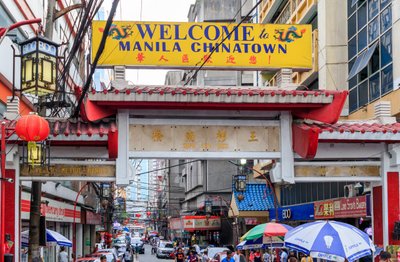
Chinatown, Manila bursts with color from Ongpin Street’s markets, old temples, and family-run dim sum shops. Here, Binondo blends Spanish-era churches with lively food crawls and dragon dance festivals every Lunar New Year.

Learn More
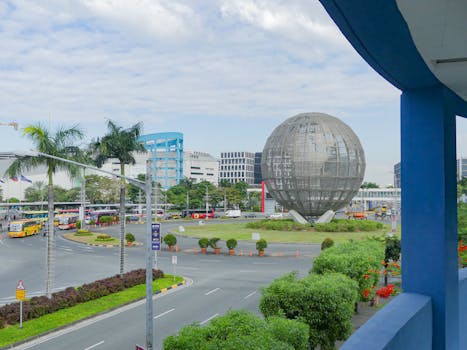
The iconic Globe at SM Mall of Asia, Pasay City, Philippines during the day.
i

The iconic Globe at SM Mall of Asia, Pasay City, Philippines during the day.

Photo by Kimy Moto

SM Mall of Asia

SM Mall of Asia in Manila blends shopping, seaside views, and lively entertainment, drawing crowds to the bayside promenade for sunset and concerts at the open-air mall. Ice skating, IMAX screenings, and street food stalls add local color.

Learn More
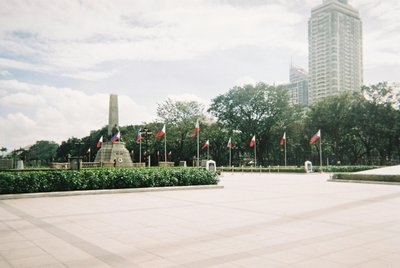
Capture of the iconic Rizal Monument in Manila's Rizal Park, a popular tourist destination.
i

Capture of the iconic Rizal Monument in Manila's Rizal Park, a popular tourist destination.

Photo by Jermaine Boyles

Rizal Park

Lush gardens, wide open lawns, and the iconic Rizal Monument set a peaceful scene in Rizal Park, Manila. Families picnic, kids watch street performers, and couples stroll by fountains or visit historical markers tracing Philippine history.

Learn More
Manila Ocean Park

Manila Ocean Park

Manila Ocean Park blends marine shows, walk-through tunnels, and hands-on exhibits, all set near Rizal Park. Watch rays glide overhead, touch sea stars, and join weekend festivals celebrating Filipino coastal life.

Learn More
white concrete tower under blue sky during daytime
i

white concrete tower under blue sky during daytime

Photo by Joshua Kyle

Quezon Memorial Circle

Lush gardens and lively weekends draw families to Quezon Memorial Circle, where joggers zip along shaded paths. The soaring Quezon Memorial Shrine anchors the park, while museums, biking trails, and weekend markets spark local culture.

Learn More

How to get there

By air

The Ninoy Aquino International Airport (NAIA) is Manila's main international gateway, served by numerous airlines from across Asia, the Middle East, Europe, and North America. Domestic flights also link Manila with major Philippine cities.
Options to get to town:
Taxi
Price:
PHP 300–500
Duration:
30–60 minutes (depending on traffic and terminal)
Where to buy:
Taxi queue at arrival area
Airport bus
Price:
PHP 100–150
Duration:
45–90 minutes (depending on route and traffic)
Where to buy:
Ticket counter at arrivals, from transport company kiosks
Train/shuttle
Price:
PHP 20–50 for shuttle, PHP 20–30 for train
Duration:
45–90 minutes (requires shuttle to Baclaran or EDSA LRT/MRT stations, then train)
Where to buy:
Shuttle: at airport terminal counters; Train: ticket machines at station

By train

Philippine National Railways (PNR) operates limited commuter trains to Manila from surrounding provinces. Long-distance and high-speed rail options into Manila do not currently exist.
Useful websites for train tickets:

By car

Manila is accessible via a network of expressways and highways from Luzon. Travelers may drive via the North Luzon Expressway (NLEX), South Luzon Expressway (SLEX), or other major roads. Expect heavy traffic within the city, and parking can be difficult.
Additional charges to be aware of:
Toll / vignette / emission sticker
Cost:
NLEX: PHP 45–300; SLEX: PHP 20–300 (depending on entry/exit points)
How to pay:
Cash or RFID at tollbooths
Other driving costs
Cost:
Fuel: PHP 60–80/liter; Parking: PHP 40–100/hour (city rates)
How to pay:
Fuel: gas stations; Parking: pay at meters or building security

How to get around

Public transport

Manila's public transport includes a network of light rail lines (LRT, MRT), buses, and colorful jeepneys. The LRT and MRT lines are useful for traversing major parts of Metro Manila efficiently, while buses and jeepneys fill in the gaps to reach neighborhoods and less accessible areas.

Ticket options:
Ticket TypePriceWhere to buy
Single ticket₱15–₱30 (depending on distance)Sold at station ticket booths for LRT/MRT; onboard for buses and jeepneys
Day passLRT/MRT: N/A; Buses may have unlimited ride cards on select routesAt major stations or through conductor on select buses

Taxis & ridesharing

Taxis and ridesharing are widely available in Manila for convenient and private travel. Taxis can be hailed on the street or from stands at malls and hotels. Ridesharing applications are popular, allowing easy booking and cashless payment, especially for those unfamiliar with the city.

Service providers:
ProviderPriceHow to book
Local taxi₱40 flag down + fare by meterHail on the street, at taxi stands, or hotel front desks
Ridesharing appVaries by distance; often slightly higher than taxisApps such as Grab (available on iOS & Android)

Car rental

Car rentals offer flexibility for exploring Greater Manila and nearby provinces. Traffic can be challenging in Metro Manila, so renting is often better for trips outside peak hours or out of town. International and local rental agencies operate from Ninoy Aquino International Airport and in key city centers.

Rental options:
ServicePriceHow to book
Daily rentalStarting ₱2,000 per day (varies by car type)Major rental counters at the airport and in malls, or via rental agency offices
Weekly rentalStarting ₱12,000 per weekSame as above; discounts available for longer rentals

Bike & scooter rental

Bicycle and scooter rentals are gaining popularity for short distances and leisurely rides, especially in business districts like BGC, Makati, and some tourist spots. Bike-sharing and scooter rental services are available in limited neighborhoods but growing.

Rental options:
ServicePriceHow to book
Bike rental₱50–₱200 per hourLocal shops, select parks, and some business districts like BGC
Scooter rental₱500–₱1,000 per dayRental outlets in tourist areas, or via local apps

What to eat

The humid air in Manila’s Binondo district sizzles with garlic, pork fat, and crushed ice. Street-side grills hiss, vendors call out, and the rich scent of vinegared adobo drifts above battered jeepneys. Here, food is messy, honest, and fiercely social—meals with strangers quickly turn into laughter and stories. You come for curiosity, but stay for the tastes: tangy, sweet, smoky, each bite a fusion of Chinese, Spanish, and island flavors. For any traveler, Manila’s cuisine offers a real feast—sometimes perplexing, always inviting, never dull.

Signature Dishes

  • Adobo: Pork or chicken stewed in soy sauce, vinegar, bay leaves. Deeply savory, always with rice. A home-cooked flavor found everywhere from carinderias to chic cafes.
  • Sinigang: Sour tamarind soup with pork, shrimp, or fish. Bright, tart, and loaded with local greens. A rainy-day comfort staple, best enjoyed steaming hot.
  • Kare-Kare: Oxtail and tripe in peanut sauce, capped with vivid vegetables. Served with pungent shrimp paste—rich, nutty, and uniquely Filipino.
  • Pancit: Stir-fried noodles laden with shrimp, chicken, and crisp greens. Every region claims its own style; in Manila, Pancit Canton reigns.
  • Lechon Kawali: Crispy pork belly, flash-fried until golden. Shards crackle under your fork—best eaten while still hot.

Street Food & Markets

Sidewalks along Quiapo and Divisoria overflow with food carts. Smoky skewers of isaw (grilled chicken intestines) sizzle on coals, tempting even hesitant eaters. Kwek-kwek—quail eggs fried in orange batter—vanish in just a few bites. Snag taho (warm silken tofu, syrup, sago pearls) from roving vendors at sunrise. Brave souls crunch through balut (embryonic duck egg), a savory rite of passage. At Salcedo Market, stalls offer everything from lumpia to seafood bowls. While crowds surge, most vendors smile big. Beware tourist prices—but, with a little patience, the real deal shines through.

Sweet Treats & Drinks

In Manila’s midday heat, halo-halo beckons: shaved ice, purple yam, leche flan, and sweet beans layered in a glass. For quick fixes, bakeries dish out ensaymada, buttery buns curled with cheese and sugar. Don’t miss bibingka, a warm coconut rice cake baked in banana leaf—especially sold outside churches. Pair with sago’t gulaman (tapioca refreshment) or strong kapeng barako (Batangas coffee) for the full city experience.

Why Travelers Eat Here

  • Open-air markets jammed with authentic flavors and friendly chaos.
  • Bold local specialties—every meal tells a Philippine story.
  • Food traditions from Spanish, Chinese, and indigenous roots blended on one plate.
  • Adventurous street snacks for curious palates and Instagram bragging rights.

Manila’s tables groan beneath flavor and conviviality. Eating here offers more than fuel—it’s a spirited glimpse into the city’s mix of grit, warmth, and resourcefulness. Unforgettable, every bite.

Top Rated Restaurants

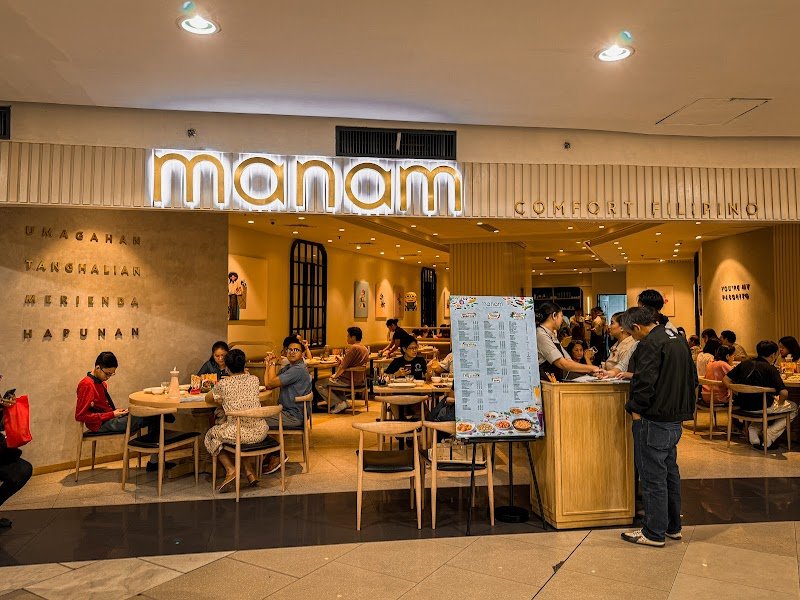
Manam | Robinsons Place

Manam | Robinsons Place

4.8 (2.3k reviews)
LocationL1, Midtown Wing Robinsons Place, Pedro Gil St, Ermita, Manila, 1000 Metro Manila, Philippines
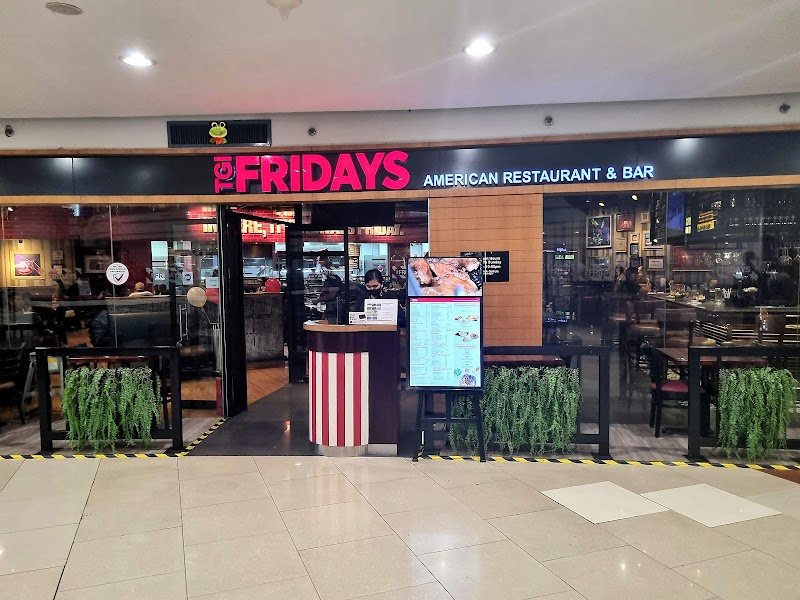
TGI Friday's

TGI Friday's

4.7 (1.9k reviews)
$$$
LocationPedro Gil St, Ermita, Manila, 1000 Metro Manila, Philippines
EMILIA, House of Filipino Food

EMILIA, House of Filipino Food

4.6 (684 reviews)
$$
Location934 Gen. Solano St, San Miguel, Manila, 1005 Metro Manila, Philippines
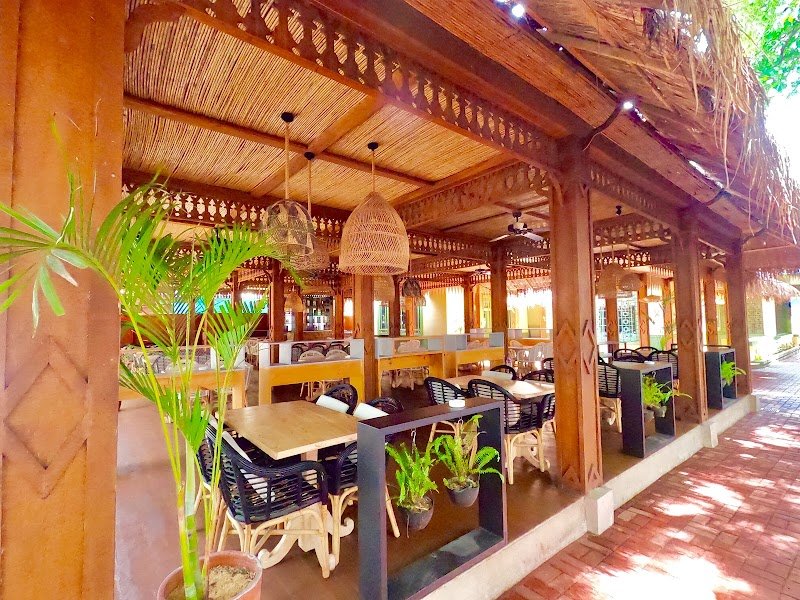
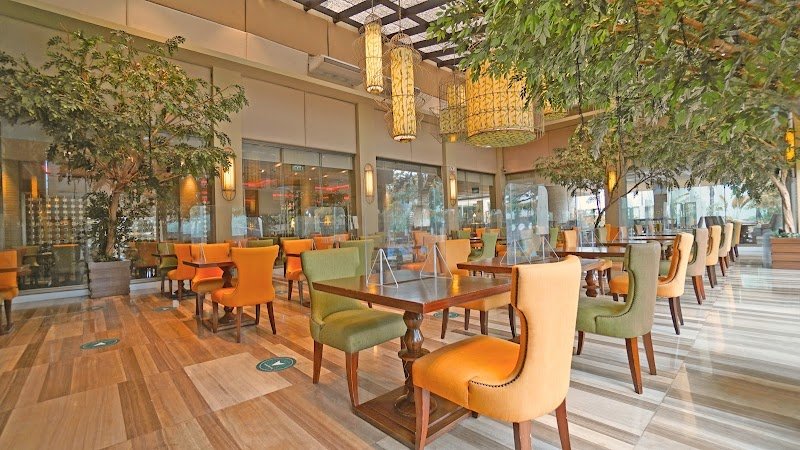
Cafe Ilang-Ilang

Cafe Ilang-Ilang

4.6 (1.3k reviews)
$$$
LocationManila Hotel, 1 Rizal Park, Ermita, Manila, 0913 Metro Manila, Philippines
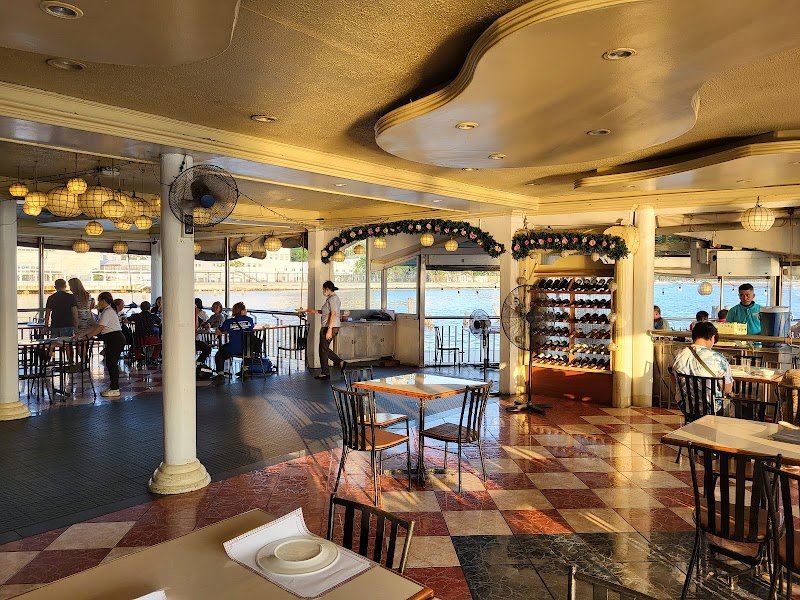
Harbor View Restaurant

Harbor View Restaurant

4.5 (2.9k reviews)
$$
LocationSouth Dr, Ermita, Manila, 1000 Metro Manila, Philippines

Accommodations

You could stay in Manila for a lifetime and barely scratch the surface. The city is packed with history, glass towers, and street life—but picking where to sleep can make or break your visit. Choosing the right neighborhood here doesn’t just change your commute. It changes your Manila. With the city’s energy always pulsing, it helps to know the character of each district—for peace, buzz, or somewhere in between.

Neighborhood Overview

  • Makati: Manila’s beating business heart. Sleek malls, world-class dining, and plenty of nightlife buzz. Secure and walkable, Makati’s Greenbelt area is ideal for business travelers or couples craving luxury—and safety late at night.
  • BGC (Bonifacio Global City): Modern towers, wide green streets, and quirky street art. Expats, families, and solo travelers find BGC organized, spotless, and packed with café options. Less local chaos, more international vibe—a bit pricier, but easy to relax.
  • Ermita and Malate: Old Manila charm meets nightlife and gritty color. Backpackers gravitate toward Malate’s hostels, live music bars, and affordable eats. Ermita is close to Rizal Park and Intramuros—a top base for first-time visitors who seek history.
  • Quezon City: Spread-out and less touristy, full of university energy, cheap student-friendly stays, and local eateries. Families on a budget or longer-term guests feel at home here, though traffic and distance from the bay can be a downside.
  • Pasay: Best for airport layovers and big conventions. Resorts World and several mega-hotels cluster here. Not the prettiest zone, but unbeatable for short stays or catching early flights.

Types of Accommodation

  • Budget hostels and inns—like Z Hostel (Poblacion) or Tambayan Capsule (Malate)—start at $12–$25/night.
  • Mid-range hotels—Hop Inn (Makati), Red Planet (Ermita), or Park Bed & Breakfast (Pasay)—run $40–$70/night with AC and basics.
  • Luxury hotels—Shangri-La, Grand Hyatt, or Sofitel—offer pools and sweeping city views for $120–$200+/night.

Insider Tips for Booking

Book midweek or far ahead for the best rates, especially in January-April (peak season). Check if rates include VAT (12%) or Manila city tax—fees can add up. For family rooms, ask about free breakfasts and extra charges for kids. Always check for working air conditioning in photos or reviews.

In Manila, every sunrise brings something new—a different view, a fresh flavor, a shifting rhythm beyond your room. Whether the city hurries past your window or slows in a quiet garden, choosing where you stay lets you shape your story on your terms.

Manila Travel Guide - What to See, Do & Eat