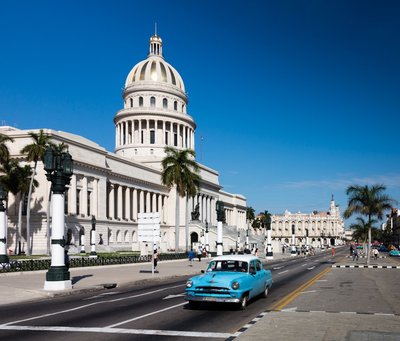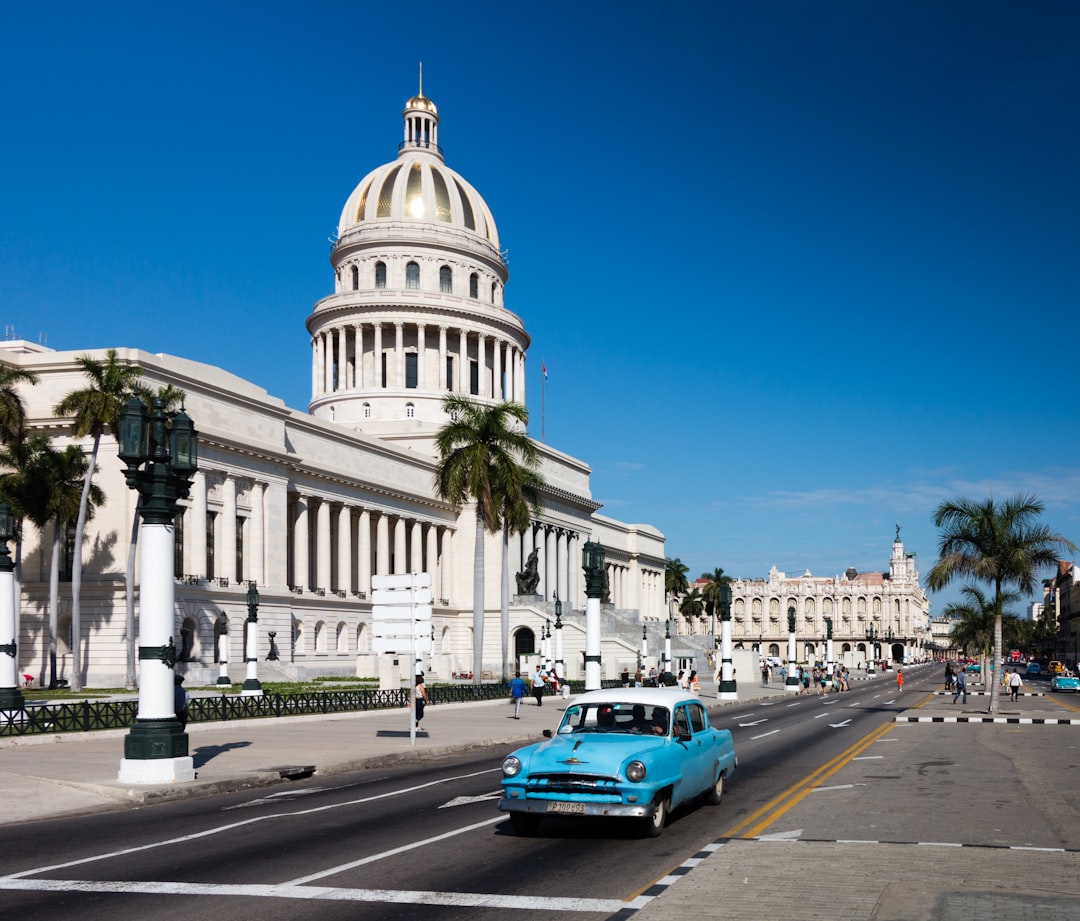
blue car on road near white concrete building during daytime
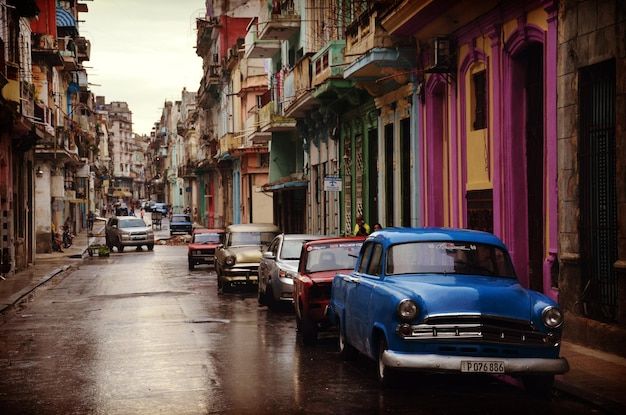
classic blue vehicle
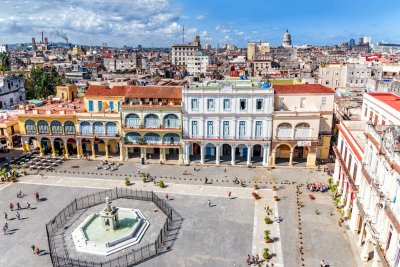
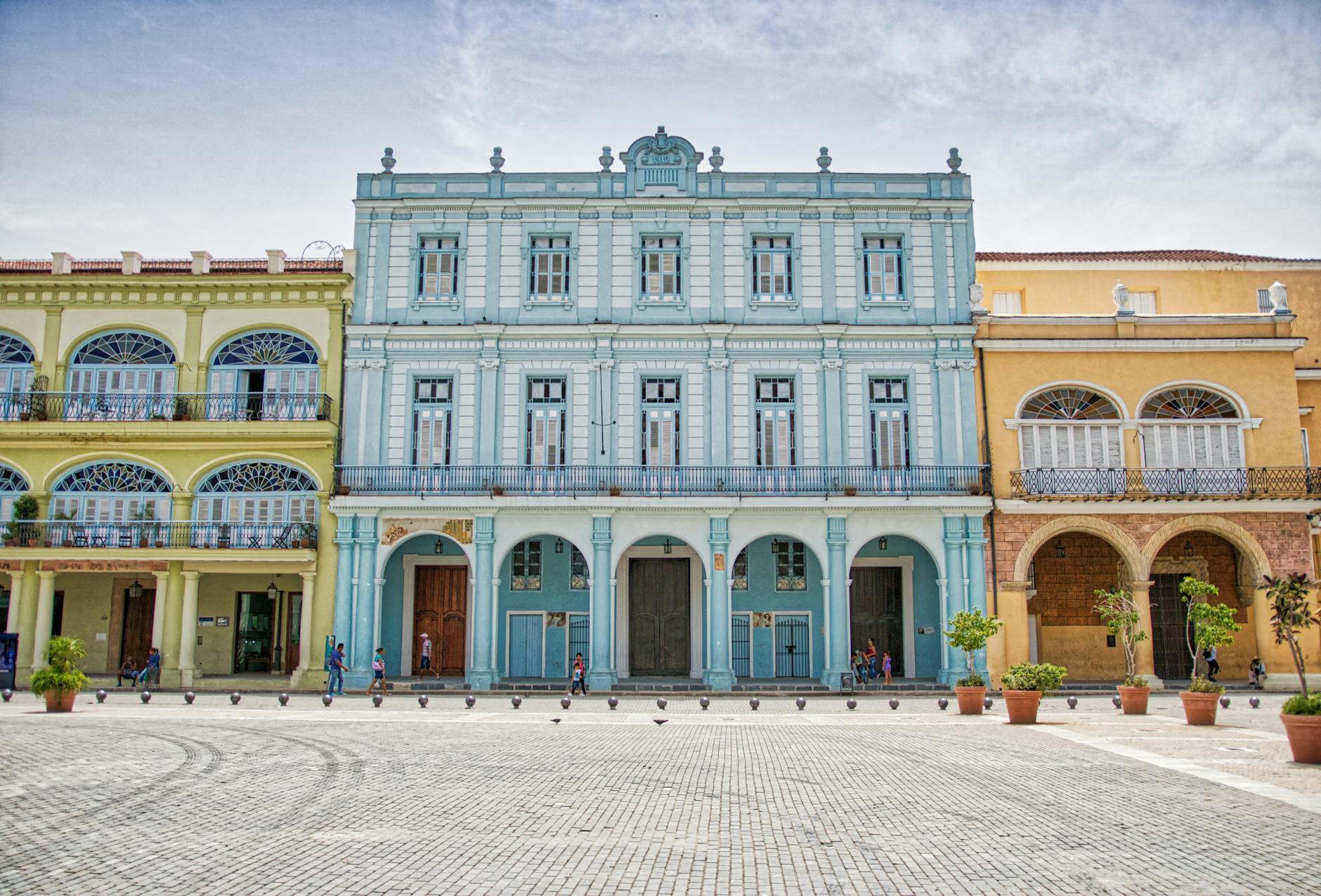
Historic colonial buildings in vibrant Havana, showcasing colorful facades.
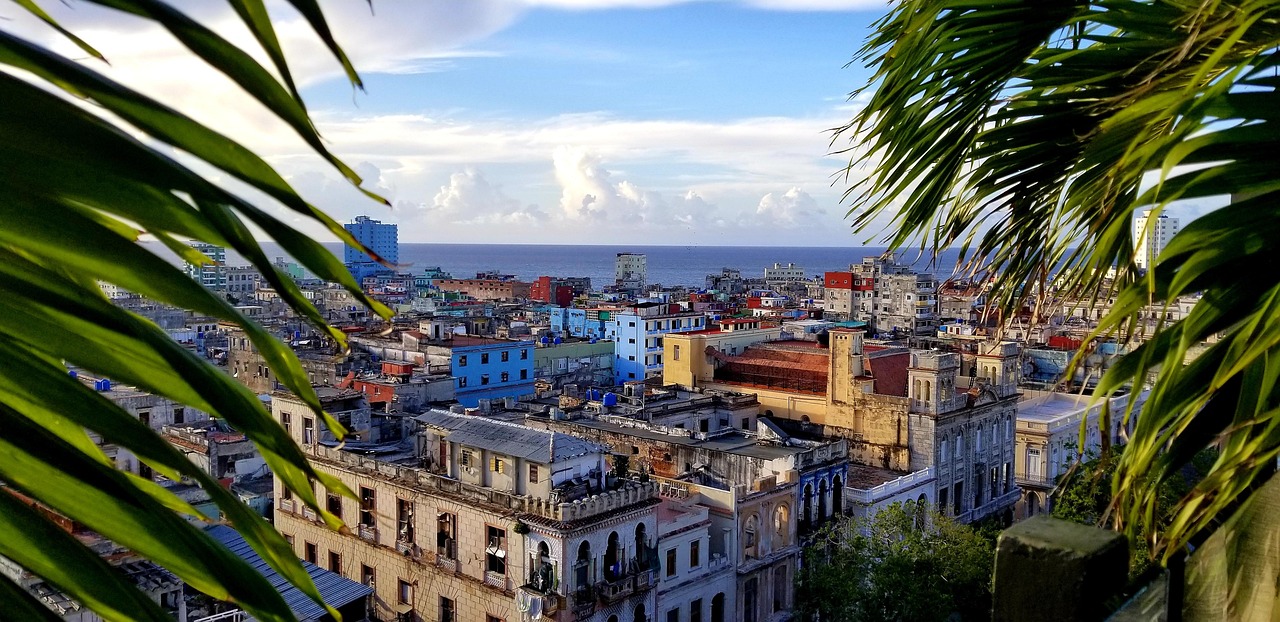
havana, cuba, travel, rooftops, landscape, city, horizon, urban, havana, havana, havana, havana, havana, cuba, cuba
cuba havana

Havana

Cuba
Iconic LandmarksCulturalArt & ArchitectureHistoricalUNESCO World Heritage
i

blue car on road near white concrete building during daytime

Photo by Einar H. Reynis

Havana hits you first with its light—golden, a bit soft, like the city’s edges have been sanded down by time. Along the Malecón, waves fling spray over the seawall, laughter rising up with the salt. In Habana Vieja, music spills from open doorways, mixing rumba beats with the smell of frying plantains. Bright Cadillacs cruise past crumbling facades, the paint faded but still vivid. Morning is best for browsing the bookstalls in Plaza de Armas; afternoon calls for a mojito at El Floridita, where the chatter hums like a second melody. Venture into Vedado for art galleries tucked inside old mansions, or head to Miramar, where guitar strings and barbecue smoke drift through garden parties. Havana’s magic is uneven, some moments a postcard, others rough around the edges. But lean into its rhythm, and the city wraps you in a warm, complicated embrace.

Quick Facts

currency
CUP
languages
Spanish
airports
José Martí International Airport
size
Large City
power
Type A, Type B, Type C, Type L
timezone
GMT-5
safety
Moderately safe
costs
Moderate

General Information

Safety indexModerate – Petty crime such as pickpocketing and scams can occur in tourist areas. Violent crime is rare. Practice caution at night and avoid poorly lit or deserted areas. Police presence in tourist zones is good, but emergency response can be slower than in some countries.

Best Time to TravelThe best time to visit Havana is during the dry season from November to April when the weather is sunny, temperatures are pleasant (around 21°C–27°C/70°F–81°F), and there is little rain.

Least crowded and still a good time to visitLate April to early June or September to early November are less crowded times. The weather is still good, though there might be occasional rains, but prices for accommodation and attractions are lower, and the city is quieter.

BudgetHavana can be explored on a moderate budget. Daily costs for a traveller range from $40–$100 USD, depending on accommodation (hostels, casa particulares), meals, and transport. Upscale hotels and restaurants increase costs. Many prices are set for tourists and can be higher than elsewhere in Cuba.

Healthcare and VaccinationsMedical care in Havana is generally good for emergencies, but facilities may lack some medicines and equipment. Travel insurance covering medical evacuation is advised. No mandatory vaccinations are required, but routine vaccines (MMR, Tdap, influenza) and Hepatitis A and B are recommended. Mosquito precautions are advised due to dengue and zika risks.

Visa RequirementsMost travelers, including those from the US, Canada, and the EU, need a tourist card (often called a visa) to enter Cuba for up to 30 days. This can be arranged through travel agencies or airlines before departure. Some nationalities may have additional requirements—check with your local Cuban consulate.

Weather in Havana

°C°F
3799
3188
2577
1966
1355
Jan
Feb
Mar
Apr
May
Jun
Jul
Aug
Sep
Oct
Nov
Dec
3020100
Avg. min. temperature
Avg. max. temperature
Avg. precipitation days

First-time travelers

The first step out of José Martí International Airport brings air tinted with sea spray, sunlight, and history. For first time travelers, Havana feels like a waking dream; colors brighter, sounds sharper, and time both slow and sweet. Havana isn’t a place you simply visit—you taste, smell, and wander through it.

Streetlife, Sunlight, and Sound

Imagine walking under Old Havana's peeling colonnades as salsa rhythms swirl from open windows. The city pulses with music and movement. Locals greet each other with a laugh, children play football on cobbled streets. Colors blaze on building facades—turquoise, ochre, faded pink—against a sky so blue it seems painted.

Step into El Floridita—order a bright, tart daiquiri—and watch the city flow past. Cobbled alleys buzz with cart-vendors selling mango and sticky, hot churros dusted with sugar. The air is salt, diesel, and earth; the architecture, both decaying and proud.

Everyday Life, Up Close

Set aside big sights for daily rhythms. Dawn reveals fishermen on the Malecón, bent over the seawall, pulling in silver. Jostle with locals at Agropecuario Egido market, where garlic and papaya scent the air. Listen for the neighborhood fruit vendor’s song—almost a chant—as he circles with a wooden cart. Each sense engaged—never dull.

  • Bite into a buttery medianoche sandwich at Café Cristina with locals.
  • Pause for young musicians at Plaza del Cristo square after sunset.
  • Say yes to a stranger’s offer of street dominoes—friendship often follows.

Don’t rush. Havana rewards patience more than planning. Sink into the pace, and you’ll leave your heart with the city’s rhythm.
Return travelers

Coming back to Havana, nostalgia blurs with discovery. Once-familiar plazas now offer hidden corners, welcome glances, and deeper stories. Repeat travelers find layers—peeling back one reveals three more below.

Beneath the Surface

This time, skip Old Havana’s crowded lanes. Let yourself drift into Vedado, shaded by ceiba trees and whispers of revolution. Jazz clubs like La Zorra y El Cuervo hide in basement bars, their brass notes weaving with the city’s pulse. Look for intense debates over chess boards at Callejón de Hamel, where street art and Afro-Cuban beats rule.

Conversations deepen beyond simple greetings; locals talk about ration stores, baseball, or building repairs. Watch the hush of a siesta in leafy Parque Almendares, where sunlight shifting through banyan roots frames lazy conversations.

Edible Stories

Taste the evolution of Cuban cuisine at Paladar La Guarida, where smoky ropa vieja and tangy guava ice cream bring old and new to your table. Wander through Centro Habana’s maze of narrow streets—queues at Coppelia signal flavors of the day changing with the heat and line length.

  • Join a cooking lesson in a family home, learning the secrets behind picadillo.
  • Visit the FNTA art gallery in Miramar—meet artists among bold murals.
  • Treat yourself to fresh coconut water from a vendor at Plaza de la Revolución, early before crowds gather.

Lean into Havana’s quirks and patience—power cuts, sudden rain, jokes swapping on every corner. No two returns feel the same. Your Havana becomes a city only you know—and it never belongs to anyone else.

Must-see locations

Revolution Square

Revolution Square

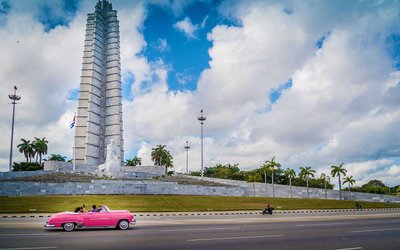
Revolution Square in Havana bursts with culture and history, from José Martí’s towering statue to the iconic Che Guevara mural. Locals gather for parades, musicians fill the air, and vintage cars circle this vast, lively plaza.

Learn More
Central Park

Central Park

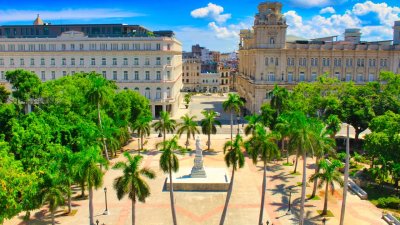
Central Park in Havana bustles with locals, framed by elegant Spanish buildings and shaded palms. Kids gather around the José Martí statue. Nearby, vibrant street musicians play. Perfect for people-watching or catching vintage car parades.

Learn More
blue car on road near white concrete building during daytime
i

blue car on road near white concrete building during daytime

Photo by Einar H. Reynis

National Capitol of Cuba

The National Capitol of Cuba in Havana blends neoclassical elegance with Cuban history—walk marble halls, spot the bronze Statue of the Republic, admire the 25-carat diamond, and enjoy nearby Old Havana’s vibrant street life.

Learn More
Old Town Square

Old Town Square

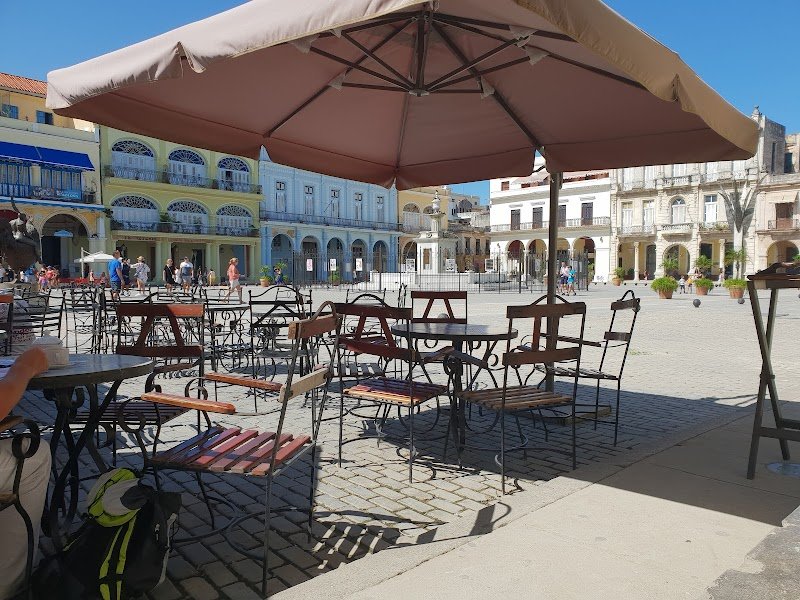
Old Town Square in Havana buzzes with artists sketching pastel buildings, kids chasing pigeons, and locals sipping coffee at tiny cafes. Colonial facades, lively street music, and galleries capture Old Havana’s colorful spirit.

Learn More
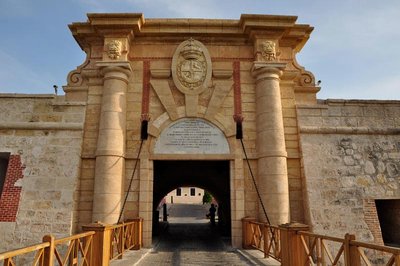
Fort Of San Carlos Of The Cabin

Fort Of San Carlos Of The Cabin

Old cannons line the ramparts of Fort Of San Carlos Of The Cabin, where sweeping views of Havana Harbor meet lively cannon-firing ceremonies each night; explore winding stone tunnels and learn Cuba’s layered history through interactive exhibits.

Learn More

How to get there

By air

Havana is served by José Martí International Airport (HAV), the largest airport in Cuba, with direct flights from various cities in the Americas and Europe. Most international travelers arrive via air due to the island's geographical location.
Options to get to town:
Taxi
Price:
25–30 USD
Duration:
30–40 minutes
Where to buy:
Official taxi ranks at airport arrivals
Airport bus
Price:
Not available
Duration:
Where to buy:
Train/shuttle
Price:
Hotel shuttles: often free for hotel guests or 5–10 USD
Duration:
40–50 minutes
Where to buy:
Arrange in advance through your hotel

By train

Havana has a central railway station (Estación Central de Ferrocarriles) that connects to major Cuban cities such as Santiago de Cuba, Santa Clara, and Camagüey. Services are basic, can be slow and infrequent, but offer a scenic way to arrive from within the country.

By car

It is possible to rent a car in Cuba and drive to Havana from most other parts of the island. Roads range in quality, and signage outside of Havana can be limited. Foreign visitors must use rental cars; private car hire with driver is also common.
Additional charges to be aware of:
Toll / vignette / emission sticker
Cost:
No vignettes or emission stickers required. Occasional small tolls (1–3 USD) on some highways.
How to pay:
Pay cash at toll booths, local currency preferred.
Other driving costs
Cost:
Fuel costs: about 1.20–1.40 USD per liter for gasoline; rental car insurance: around 10–20 USD daily.
How to pay:
Fuel from gas stations; insurance purchased when renting the car.

How to get around

Public transport

Public transport
Havana's public transport system mainly consists of buses (locally called 'guaguas'). These are a budget-friendly way to move around the city, but they can be crowded and schedules are not always reliable. There is no metro system. Buses reach most districts, while colectivos (shared taxi cars) operate on popular routes for a slightly higher price.

Ticket options:
Ticket TypePriceWhere to buy
Single ticketFrom 2 CUP (local currency); tourists may pay up to 1 USD in hard currency busesOn board from the driver or conductor; some stops have kiosks
Day passNot commonly availableN/A

Taxis & ridesharing

Taxis & ridesharing
Taxis are abundant and relatively easy to hail on the street or through hotels. Official state taxis (yellow or turquoise) and classic American cars can be taken. Ridesharing apps are not widely available in Havana, but private taxis can often be arranged by phone or through accommodation hosts. Prices should always be agreed upon before departure, and most taxis do not use meters.

Service providers:
ProviderPriceHow to book
Local taxiNegotiable; typically 5-15 USD for trips within central HavanaHail on street, at hotels, or arrange via phone/accommodation
Ridesharing appNot widely available; the Sube app (local) may operate intermittentlyVia Sube app (when functioning)

Car rental

Car rental
Car rental is possible, but options are limited compared to other countries, and booking in advance is recommended. Cars can be rented at the airport or major hotels. Roads are reasonably good in central areas, but parking and fuel availability can be challenging. Due to high prices and bureaucracy, car rental is often chosen for trips outside the city rather than for getting around Havana.

Rental options:
ServicePriceHow to book
Daily rentalFrom 70–100 USD per day, depending on car type and seasonIn person at major hotels, airport, or through state agencies like Cubacar or Rex
Weekly rentalFrom 400–600 USD per weekState agencies, hotels, airport

Bike & scooter rental

Bike & scooter rental
Cycling is a pleasant option in central and coastal parts of Havana, especially in Old Havana, Vedado, and along the Malecón. A few local shops and hotels offer bike and scooter rentals. Scooters are also available, though traffic can be hectic in the city center, so exercise caution.

Rental options:
ServicePriceHow to book
Bike rentalFrom 10–20 USD per dayBike rental shops, guesthouses, some hotels
Scooter rentalFrom 25–35 USD per dayRental shops, select hotels

What to eat

Stepping into Havana, a warm hint of roasted pork hangs heavy in the air. Vendors call out near colonial alleys, rolling up fragrant bread as salsa floats from open windows. This city cooks with heart, spirit, and bright island sun. Every meal bursts with color—fresh mango, sticky guava, tangy lime, and sizzling garlic. Older men sip coffee on sun-faded patios. The buzz, the spices, the smoke—Havana welcomes you, mouth first.

Signature Dishes

  • Ropa Vieja – Slow-cooked shredded beef in spicy tomato sauce, soaked up with ripe plantains and rice. Cuba's answer to comfort food, served in local paladares—family-run restaurants where recipes tell a story.
  • Lechón Asado – Whole roasted pork, seasoned with cumin and citrus, found at every major celebration. The crispy skin cracks as smoky, juicy meat falls apart inside.
  • Arroz con Pollo – Chicken cooked with yellow rice, vegetables, and garlic, scented by saffron. A homey favorite, simple and nourishing.
  • Tostones – Twice-fried plantains: salty, golden, perfect for dipping. Crunchy street snack, as fast as popcorn, as addictive as fries.

Street Food & Markets

Follow your nose to Havana’s noisy street carts and bright produce stalls. In the morning, lines form for fresh churros dusted with sugar, subtly sweet and instantly gone. Vendors fry up crispy empanadas filled with spiced beef or creamy cheese. Old men gather at Agromercado 19 y B to sniff mangoes and tomatoes, bartering with gentle stubbornness. At Mercado de Cuatro Caminos, you’ll find local honey, rustic bread, and heaps of avocados as big as your hand. The rhythm and color of a Cuban market feed all the senses—and the appetite.

Sweet Treats & Drinks

For a sweet fix, sample tres leches cake—sponge soaked with cream and condensed milk, sticky and rich. Pastelitos, flakey pastries with guava or coconut, line bakery windows on Obispo Street. Over crunchy ice, order a mango batido (smoothie) for a cool hit. Café Cubano—small, strong, sugary—powers locals and tourists alike. Or sip a fresh mojito muddled with mint near Plaza Vieja and watch the world swirl by.

Why Travelers Eat Here

  • Inventive home cooking at vibrant “paladares” run by welcoming Cuban families.
  • Street snacks and markets bursting with color, stories, and island produce.
  • History baked into every dish, from Spanish roots to African flavors.
  • Classic cocktails at storied bars—sip where Hemingway once lingered.

In Havana, food never sits still. The clatter, the laughter, the spice—every meal feels like a bright slice of Cuban life, unfolding in real time, lived with gusto.

Top Rated Restaurants

Restaurante 5 Sentidos

Restaurante 5 Sentidos

4.7 (386 reviews)
Locationy, 4JQW+P42, Compostela, La Habana, Cuba
Sibarita Habana

Sibarita Habana

4.7 (455 reviews)
Location528 O'Reilly, La Habana, Cuba
Los Mercaderes

Los Mercaderes

4.7 (907 reviews)
$$
Location207 Mercaderes, La Habana, Cuba
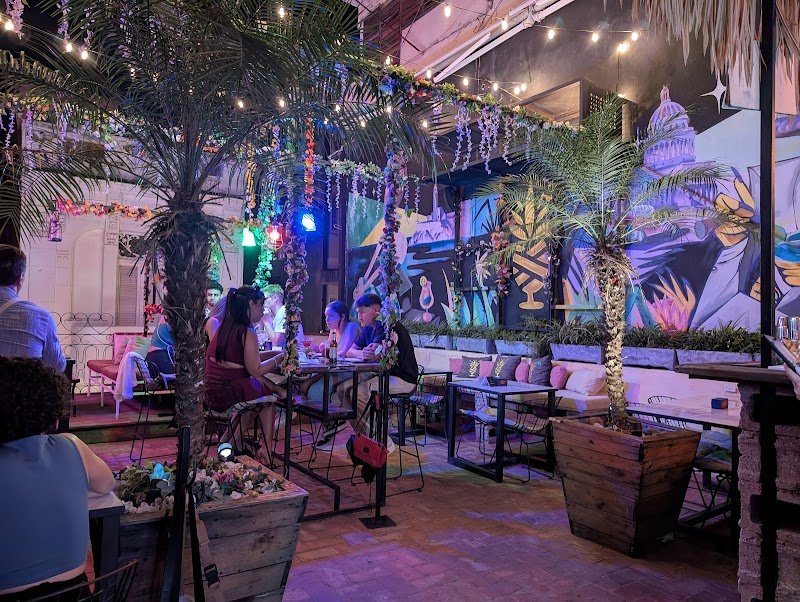
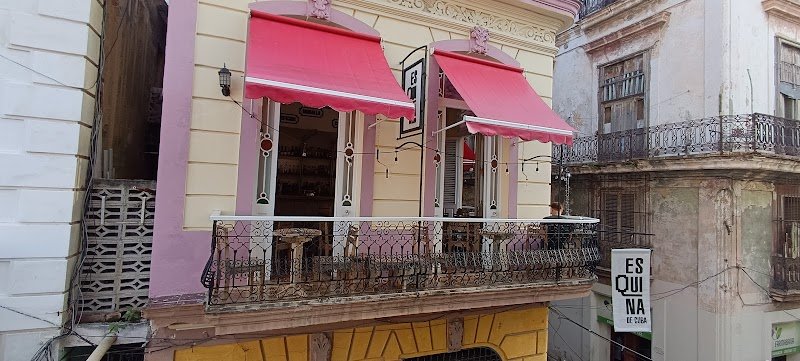
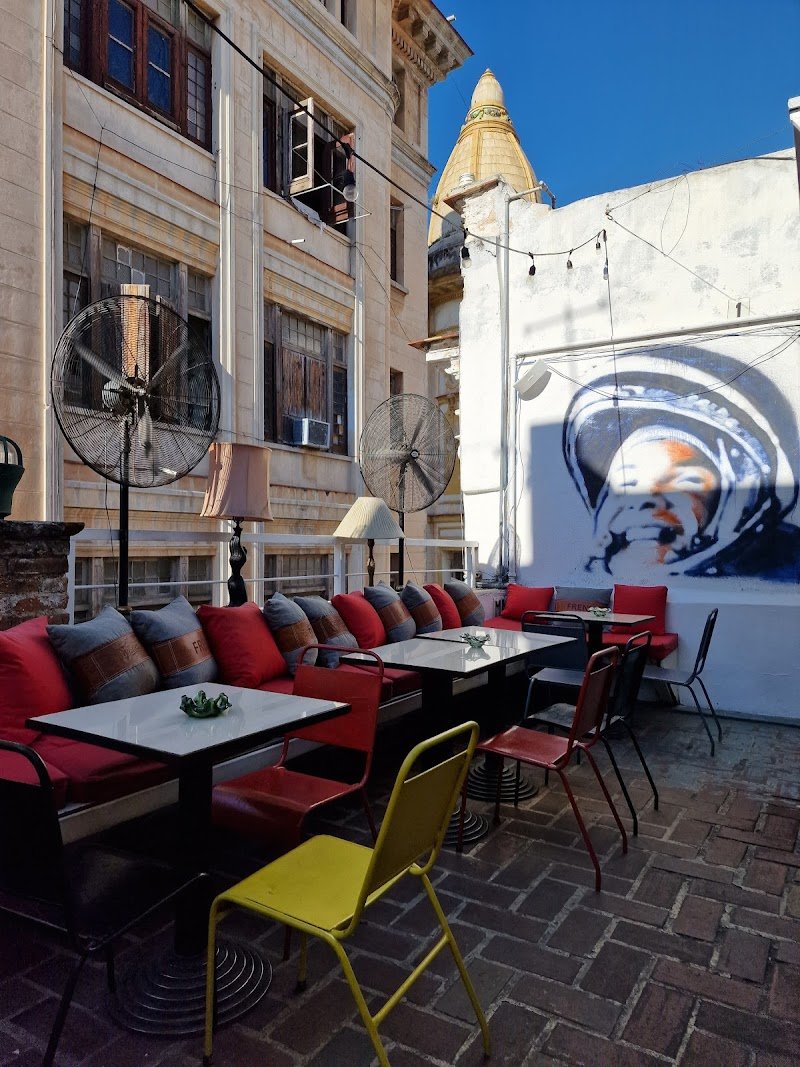
La Esquina de Cuba

La Esquina de Cuba

4.7 (297 reviews)
Location4JRW+6VX, Havana, Cuba
El del Frente

El del Frente

4.6 (391 reviews)
$$
LocationHabana y Aguiar, 303 e O'Reilly, La Habana, Cuba

Accommodations

Choosing where to sleep in Havana means shaping the mood of your trip. Some streets pulse with music all night. Others offer peace and hidden gardens for afternoon naps. The city changes its character with every few blocks—more than most cities in the Caribbean. Locals know how much the right spot can mean. Pick well, and you’ll feel like you belong rather than just visit.

Neighborhood Overview

  • Habana Vieja: Cobbled lanes, faded Spanish facades, and the sound of salsa in courtyards. Perfect for first-time visitors and couples who want to walk everywhere. You get history at your doorstep but also noise—especially near Obispo Street.
  • Vedado: Havana's leafy, wide-avenue district blends stately old mansions with a cosmopolitan buzz. Recommended for night owls and foodies, with live music and creative bars. Families may like the quieter, spacious side streets—parks and playgrounds dot several blocks.
  • Centro Habana: A lived-in jumble of daily life—laundry flapping, dominoes clacking, kids cycling past murals. Great for budget travelers and those looking to see local rhythms. Accommodations can feel rundown, but the hospitality often makes up for it.
  • Playa: Dotted with beach resorts and residential complexes, Playa is the place for families wanting sand and waves without the crowds of Varadero. Fewer colonial buildings, but fresh seafood and swimming at sunset draw regulars back.
  • Miramar: Embassy row meets 1950s glam—wide boulevards, luxury hotels, and chic modern homes. Business travelers, diplomats, and couples seeking calm tend to stay here; it's pricier but peaceful.

Types of Accommodation

  • Casa particulares: Private homestays—think B&B—with Cuban hosts nearby. Expect to pay $20–$60 per night. Spotless family-run stays in Habana Vieja, or art-filled revival homes in Vedado.
  • Hotels: Options range from iconic Hotel Nacional (around $150+ per night) to boutique gems like Paseo 206 in Vedado. Expect service, some retro charm—and sometimes patchy Wi-Fi.
  • Modern rentals: Airbnb and private apartments, mostly in Miramar or Vedado. $50–$120 per night. These suit groups or longer stays, but require more planning for key pickup and supplies.

Insider Tips for Booking

Book at least eight weeks in advance during December–April. Rates jump for festivals and high season, especially in Habana Vieja. Double-check if quoted rates include Cuba’s 10–12% tourism tax. For casas, message hosts directly to confirm breakfast—included or not varies widely.

The city hums as dusk falls—music drifting over tiled rooftops, kids calling between balconies, the sea just two blocks away. Behind each door, stories linger. Where you choose to stay shapes the Havana you discover. Sleep well—tomorrow will be colorful, whatever your address.