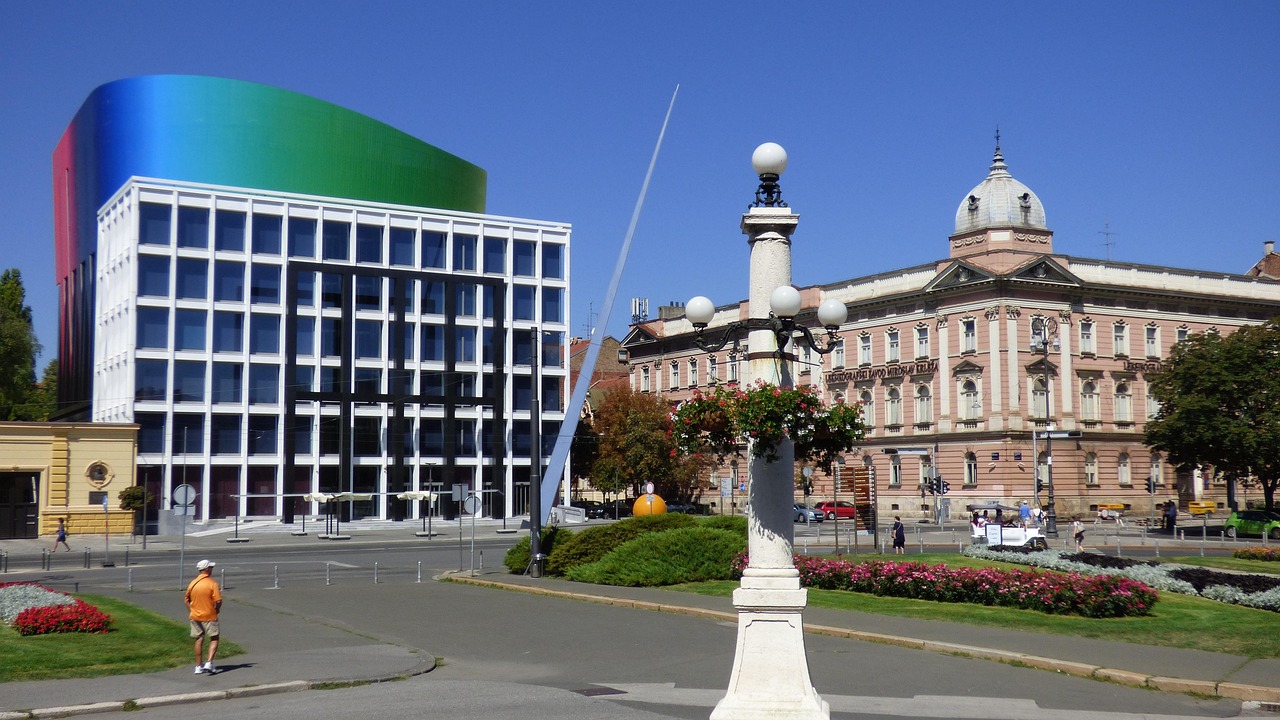
zagreb, croatia, architecture, building, zagreb, zagreb, zagreb, zagreb, zagreb
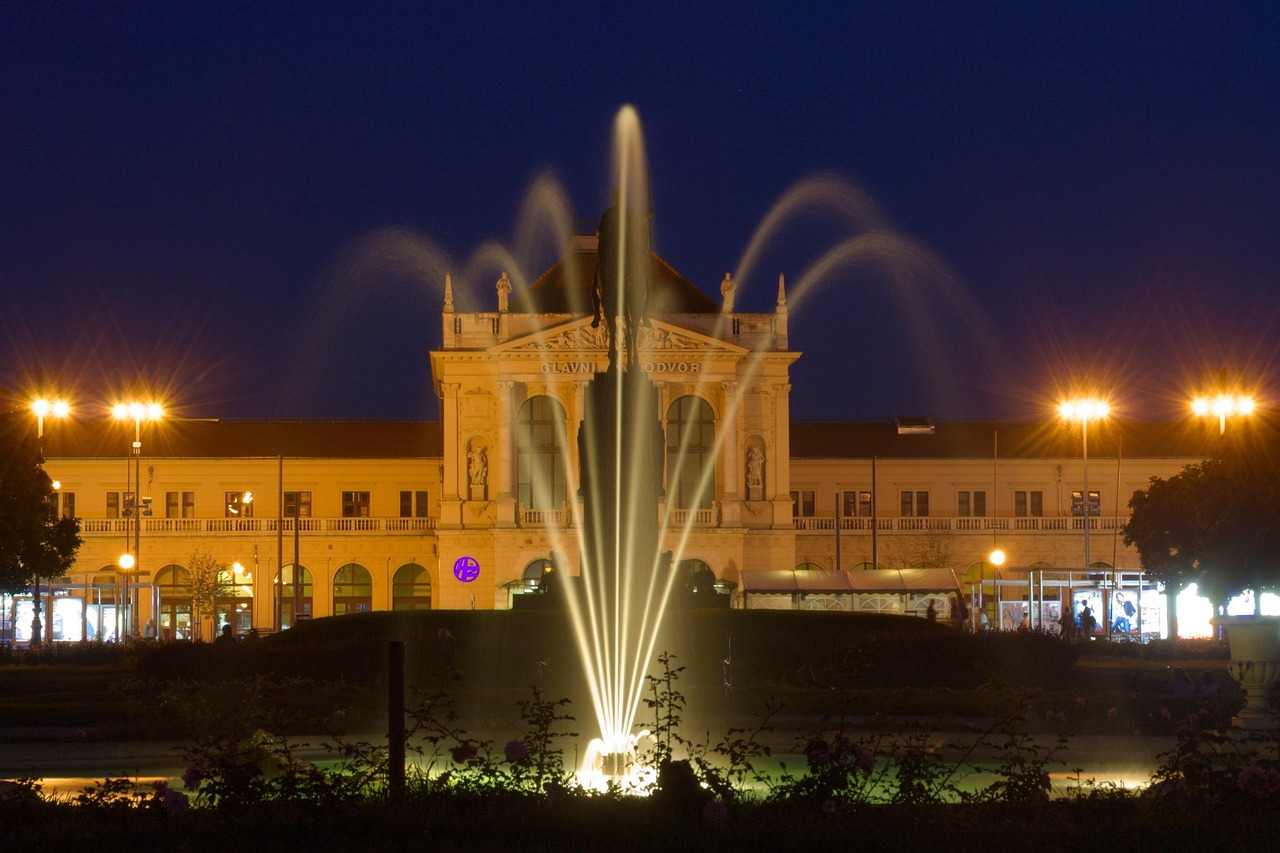
croatia, zagreb, fountain, station, night, zagreb, zagreb, zagreb, zagreb, zagreb
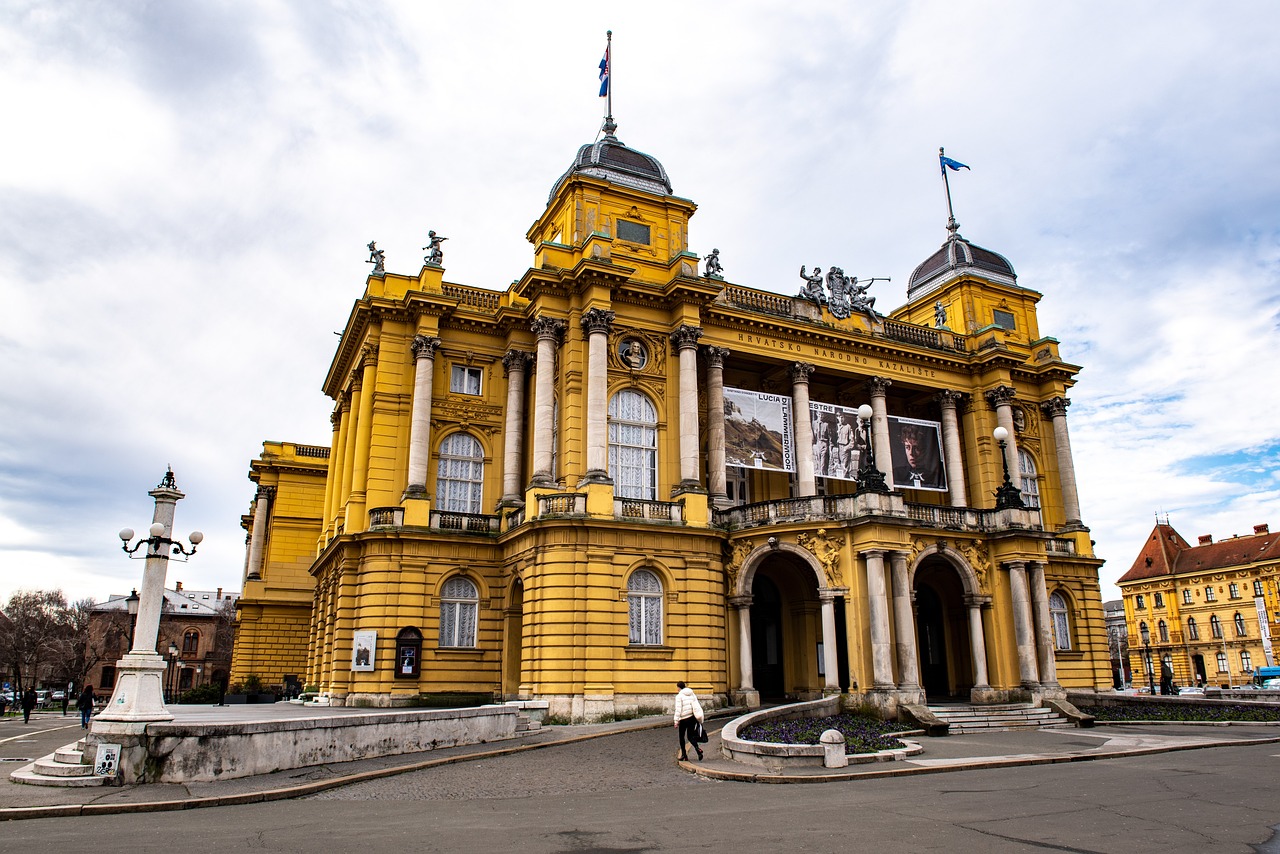
hnk zagreb, zagreb, croatia, opera, hnk, theater, building, architecture, culture, baroque, yellow, classic, brown theater, zagreb, zagreb, zagreb, zagreb, zagreb
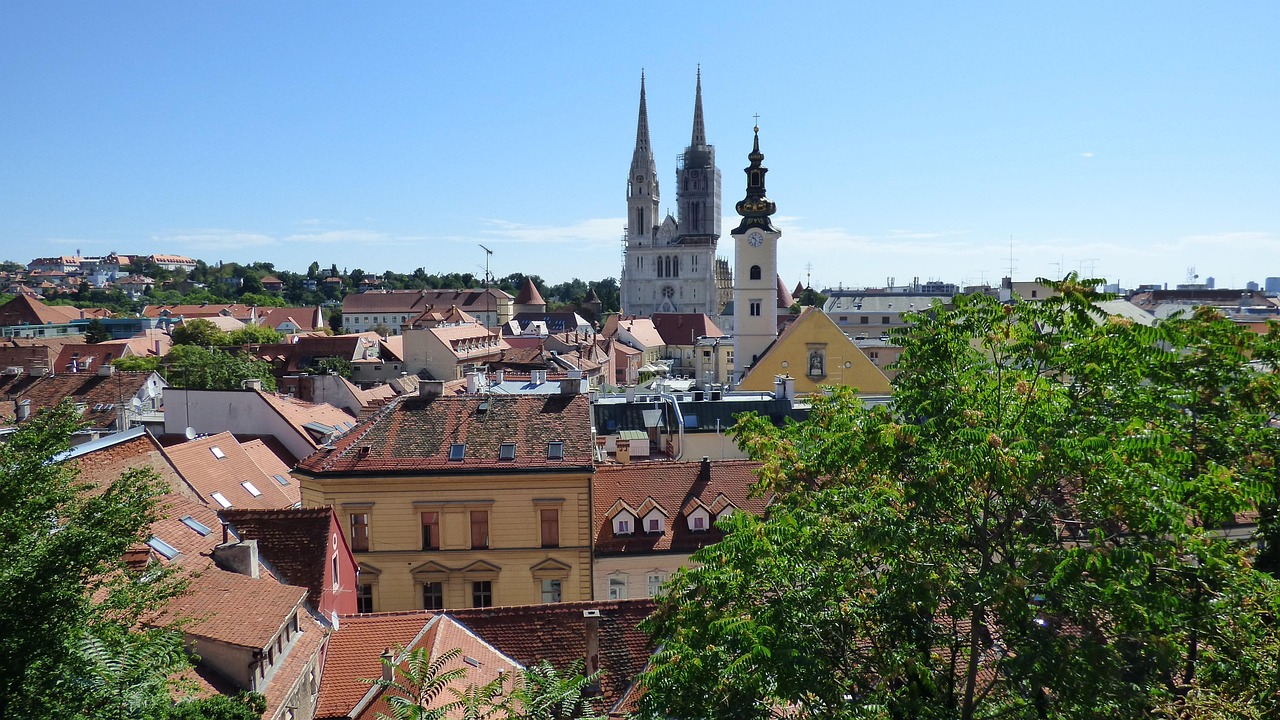
zagreb, croatia, rooftops, old, city, cityscape, cathedral, church, roof, zagreb, zagreb, zagreb, zagreb, zagreb
a large building with a clock on the top of it

Zagreb

Croatia
CulturalMarketplace & ShoppingUrban HighlightsHistoricalArt & Architecture
i

zagreb, croatia, architecture, building, zagreb, zagreb, zagreb, zagreb, zagreb

Photo by ArvidO

Zagreb greets you with the smell of roasted chestnuts and the chatter of café terraces. In spring, blossom-heavy trees line the streets, petals drifting onto cobblestones. The Upper Town’s lantern-lit alleys feel worlds away from the tram-bustle below. Mornings start at Dolac Market, where stallholders pile red peppers and soft cheeses beside buckets of honey. Sit long enough at Tkalčićeva’s bars and someone will tell you where to find the best štrukli. Museums range from grand to quirky, with the Museum of Broken Relationships a particular heart-tug. Evening light softens the stone of the cathedral, while guitars echo from hidden courtyards. Winter brings mulled wine kiosks and ice rinks, the air sharp with the promise of snow. Zagreb’s charm unfolds slowly; its real magic lives in small moments.

Quick Facts

currency
EUR
languages
Croatian
airports
Franjo Tuđman Airport
size
Large City
power
Type C, Type F
timezone
Europe/Zagreb
safety
Safe
costs
Moderate

General Information

Safety indexZagreb generally has a high safety index, considered one of Europe's safer capitals. Petty crimes like pickpocketing may occur in crowded places, but violent crime is very rare. Standard precautions are advised, especially in tourist areas and public transport.

Best Time to TravelThe best time to visit Zagreb is from May to September, when the weather is warm, outdoor events and festivals are plentiful, and café terraces are bustling. July and August are peak months with the most vibrant city life.

Least crowded and still a good time to visitLate April to early June and September are great alternatives. The weather remains pleasant, but the city is less crowded as most tourists flock to the coast. This is ideal for sightseeing and enjoying local culture without the crowds.

BudgetZagreb is moderately priced compared to Western European cities. Average daily costs can range from €60-€120 per person, including accommodation, meals, local transport, and activities. Budget travelers may spend less with hostels and local eateries; luxury experiences are also available.

Healthcare and VaccinationsCroatia has a good standard of healthcare, and Zagreb has several well-equipped hospitals. EU citizens can use the European Health Insurance Card (EHIC), but travel insurance with medical coverage is recommended for all travelers. No special vaccinations are required beyond routine immunizations.

Visa RequirementsCitizens of the EU, USA, UK, Canada, Australia, and many other countries can enter Croatia visa-free for up to 90 days within a 180-day period for tourism. For other nationalities, or for longer stays, a visa may be required. Check the latest requirements based on your nationality before traveling.

Weather in Zagreb

°C°F
3391
2373
1355
337
-719
Jan
Feb
Mar
Apr
May
Jun
Jul
Aug
Sep
Oct
Nov
Dec
3020100
Avg. min. temperature
Avg. max. temperature
Avg. precipitation days

First-time travelers

First impressions of Zagreb rarely shout for attention-the city prefers a quiet harmony. Streets layer grand Habsburg facades with quirky local art. Church bells echo, but trams rumble louder. You might expect a capital city bustle. Instead, Zagreb gives a lived-in, easygoing feel, more like a close-knit town than a European metropolis.

Setting In With the Locals

The heart of Zagreb, Ban Jelačić Square, pulses with city life. Café tables spill onto wide squares. Sit with an espresso and watch morning commuters blend with old men playing chess. Stroll Tkalčićeva Street, lively by day and festive by night, where balcony flowers spill into the air.

Early mornings, follow the locals past Dolac Market's iconic red umbrellas. The scent of earth and strawberries fills the cobbled slopes. Vendors' voices rise above, selling berries, cheeses, or paper cones of pumpkin seeds. Zagreb moves at a pace that allows you to savor every moment.

Symbols and Sweets

Find St. Mark’s Church; its mosaic roof glints in the sun. Nearby, the neo-Gothic cathedral stands watch-heavy and ornate, often overlooked but worth admiring. Each step reveals contrasts-old and new, tradition and invention.

Don’t leave without trying štrukli, a baked pastry filled with cheese-perfected at La Štruk near the cathedral. Or taste kremšnita, creamy custard cake in a flaky crust at Vincek. These treats taste like Zagreb’s hospitality: rich but never excessive.

  • Slow your pace-walk everywhere you can
  • Try urban hiking up to Grič Tunnel
  • Chat with market vendors at Dolac—practice a few Croatian words
  • Read the plaques in English—they hide fragments of Zagreb’s stubborn humor

Zagreb is neither loud nor flashy, yet it reveals itself through tiny details. For first-timers, expect a city that lets you ease in, as if you’ve always been here.
Return travelers

For return travelers, Zagreb feels like an old friend with hidden stories. You’ve tasted štrukli, wandered Tkalčićeva. Now, the city opens wider-a mosaic of overlooked corners and lived-in secrets, best savored slowly, with curiosity leading the way.

Peeling Back Layers

Start beyond the main squares. Venture south to the Sava riverbanks where cyclists and families picnic, especially at Jarun Lake. The air smells of grass and grilled fish. Walk the leafy Šalata neighborhood, where hillside streets shield art-nouveau villas behind dense gardens.

Slip into Booksa, a cozy literary café with local readings or jazz. Savor thick kava with a homemade cookie. Further east, Martićeva Street surprises with indie bookshops and microbreweries—places where you hear the soft clink of bottle caps and friendly Croatian debates. These are Zagreb’s creative veins, pulsing with authentic life.

Layers of Taste and Memory

When hunger gnaws, try zagrebački odrezak-a pork schnitzel oozing cheese and ham at a neighborhood gostionica like Stari Fijaker. For dessert, skip the tourist sweets. Order medena pita, a walnut-and-honey cake treasured by locals. Each bite recalls café gossip and children tumbling in city parks.

  • Spend an afternoon biking Jarun’s lakeshore loop
  • Browse Martićeva’s vintage shops for strange treasures
  • Join locals roasting corn or chestnuts on autumn street corners
  • Catch a Croatian indie film at Kino Europa if reopened

A second Zagreb visit brings depth, not deja vu. Here, joy lives in familiarity—the menu you can finally read, the tram routes you’ve mastered, the bumpy street where you’ll always return. Welcome back.

Must-see locations

Ulica Ivana Tkalčića
i

Ulica Ivana Tkalčića

Photo by Cristian Ilea

Tkalčićeva Street

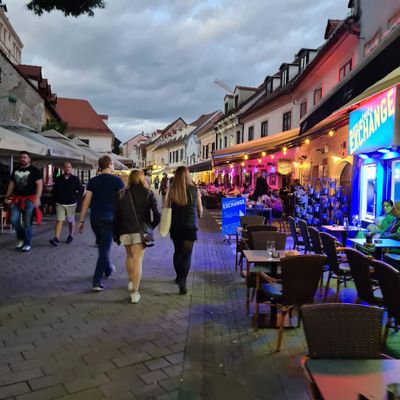
Tkalčićeva Street in Zagreb buzzes with lively cafés, small shops, and colorful facades. Live music fills the air near historic Grič Tunnel entrances. Locals stroll, artists perform, and friends chat, making each visit unforgettable.

Learn More

Zoo Zagreb

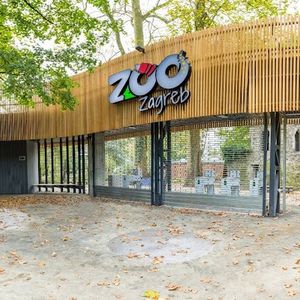
Nestled in Maksimir Park, Zoo Zagreb blends lush forests, lakes, and themed habitats with over 350 animal species. Families can watch playful otters, join zookeeper talks, and explore the city’s oldest public park nearby.

Learn More
Google Places photo
i

Google Places photo

Photo by Robert Dannbauer

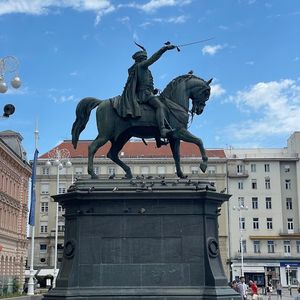
Ban Josip Jelačić Statue

In central Zagreb, the Ban Josip Jelačić Statue anchors lively Ban Jelačić Square, drawing locals and visitors to a vibrant mix of markets, historic cafés, and striking 19th-century architecture. Perfect spot for people-watching.

Learn More

Maksimir Park

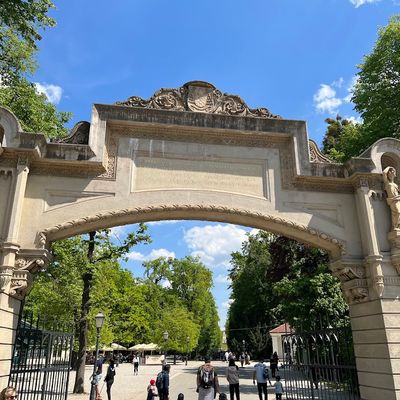
Shaded paths wind through old oak forests in Maksimir Park, Zagreb, where peaceful lakes reflect sky and swans glide. Joggers loop past historic pavilions. Families picnic near playgrounds. Locals unwind at the small zoo.

Learn More
Google Places photo
i

Google Places photo

Photo by Chao Fu Chan

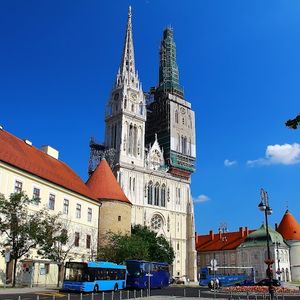
Cathedral of Zagreb

Rising high above Zagreb’s streets, the Cathedral of Zagreb showcases twin spires, detailed Gothic revival carvings, and golden altars. Explore ancient tombs, see daily church services, and take in city views from peaceful courtyards.

Learn More

How to get there

By air

Zagreb is served by Franjo Tudjman International Airport (ZAG), located about 17 km from the city center. The airport receives direct flights from numerous European cities as well as some long-haul destinations.
Options to get to town:
Taxi
Price:
Approx. €30-40
Duration:
25-35 minutes
Where to buy:
Taxi ranks at airport terminal
Airport bus
Price:
Approx. €8
Duration:
30-40 minutes
Where to buy:
Tickets available at airport kiosk or directly from the driver
Train/shuttle
Price:
No direct train connection; city buses (ZET line 290) cost approx. €1.50
Duration:
40-50 minutes
Where to buy:
Tickets available at airport kiosk or from the driver

By train

Zagreb Glavni Kolodvor (Main Railway Station) is well-connected with other major European cities, especially in neighboring countries such as Austria, Slovenia, Hungary, and Serbia.
Useful websites for train tickets:

By car

Zagreb is efficiently connected to other European cities by a network of highways. Entry is straightforward from Slovenia, Hungary, Serbia, and Bosnia and Herzegovina. Croatia’s toll highways (autoceste) are modern and well-maintained.
Additional charges to be aware of:
Toll / vignette / emission sticker
Cost:
Toll fees depend on distance; e.g., from the Slovenian border to Zagreb approx. €7-15
How to pay:
Payment at toll booths (cash or card)
Other driving costs
Cost:
Cross-border insurance (Green Card); fuel
How to pay:
Borders, petrol stations

How to get around

Public transport

Zagreb's public transport is efficient and mostly relies on an extensive network of trams and buses managed by ZET (Zagrebački električni tramvaj). Trams are the most convenient for city center travel, while buses connect outer neighborhoods. Services are frequent during the day, with reduced schedules at night.

Ticket options:
Ticket TypePriceWhere to buy
Single ticket€0.53 (30 minutes), €0.80 (60 minutes)Kiosks (Tisak), ZET sales points, ticket machines, and directly from tram/bus drivers (slightly higher price)
Day pass€3.98 (24 hours)Kiosks (Tisak), ZET sales points

Taxis & ridesharing

Taxis and ridesharing are widely available in Zagreb. Taxis can be hailed at ranks or ordered by phone/app. Ridesharing apps are often cheaper and popular for both city and airport trips.

Service providers:
ProviderPriceHow to book
Local taxiStarting from €2.50 plus €1/kmTaxi ranks, by phone, or official taxi apps
Ridesharing appVaries by distance; generally €4–€15 for most urban tripsApps such as Uber or Bolt

Car rental

Car rentals are a good option if you plan to explore beyond the city or travel through Croatia. Note that parking in central Zagreb can be challenging and metered.

Rental options:
ServicePriceHow to book
Daily rentalFrom €30/day (small car, off-peak season)International and local car rental agencies at the airport, train station, or city branches
Weekly rentalFrom €180/weekCar rental agency locations and official company websites

Bike & scooter rental

Bikes and e-scooters are a handy and eco-friendly way to get around central Zagreb. Several self-service stations and app-based services operate across the city, ideal for short rides or sightseeing.

Rental options:
ServicePriceHow to book
Bike rentalFrom €1/hour (public bike-share), €8–€12/day (private rental shops)Public bike stations (e.g., Nextbike app) and local bike rental shops
Scooter rentalFrom €0.20/minuteApp-based rental platforms like Bolt or Lime

What to eat

The late afternoon sun flashes on cafe terraces beside Zagreb’s main square. The air smells of sizzling sausages, warm yeast dough, and sharp cheese. Plates clink together in the bustle, while locals stir tiny cups of kava for hours on end. Welcome to the heart of Croatia’s food scene, where Old Europe flair mingles with peasant recipes and neighborhood banter. Every meal in Zagreb tells a story. And every bite tempts you to dig deeper.

Signature Dishes

  • Štrukli – Soft, pillowy dough wrapped around creamy cottage cheese, then baked or boiled. Zagreb’s pride, perfect for breakfast or comfort on a tired afternoon.
  • Purica s mlincima – Slow-roasted turkey with crispy, homemade flatbread pieces swirled in savory drippings. A taste of Sunday family gatherings.
  • Cevapi – Spiced minced meat sausages grilled over charcoal, slipped into fluffy lepinja bread with onions and ajvar. Bold, juicy, messy street food at its best.
  • Zagrebački odrezak – Breaded veal or pork schnitzel, stuffed with melting ham and cheese. Think Croatian take on the cordon bleu, both hearty and golden crisp.

Street Food & Markets

Dolac Market bursts alive from dawn. Farmers stack strawberries, honey, and fresh white cheese alongside heaps of peppers. Butchers drum fingers on counters as bakers sell just-made burek—pastry packed with meat or cheese, flaky and hot. Food stalls nearby grill flecked sausages, the scent drifting down Stone Gate street. Avoid touristy cafes ringing Ban Jelačić Square—prices jump, quality drops. For a real snack, grab a warm corn-on-the-cob or piping-fresh fritule from a market vendor. Pavement picnics encouraged.

Sweet Treats & Drinks

Kremšnita, a custard cream cake with crisp pastry and powdered sugar, reigns supreme at city bakeries. Krafne—plump jam doughnuts—pair perfectly with a cup of kava s mlijekom in a leafy courtyard. Don’t skip rakija, the local fruit brandy, for a bracing toast. Or try a malvasia white from Istria, poured generously at friendly wine bars after sunset.

Why Travelers Eat Here

  • Farm-fresh ingredients at central Dolac Market, inviting every visitor to mingle and taste.
  • Rich, hearty dishes rooted in family tradition, blending Slavic and Austro-Hungarian flavors.
  • Accessible, walkable city center filled with inviting bakeries, open-air cafes, and honest street food.
  • Vibrant, ever-changing cafes where tradition meets creative twists, perfect for food-loving explorers.

Evenings linger in Zagreb, golden with candlelight and laughter. With a fork or your fingers, the city feeds you its soul—one simple, shared meal at a time.

Top Rated Restaurants

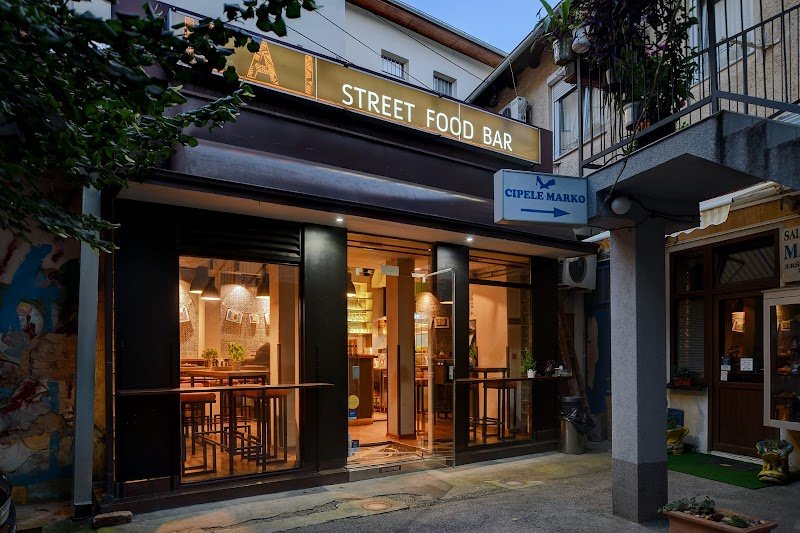
Kai Street Food

Kai Street Food

4.9 (2.4k reviews)
$$
LocationJurišićeva ul. 2A, 10000, Zagreb, Croatia
BioMania Bistro Zagreb

BioMania Bistro Zagreb

4.9 (1.9k reviews)
LocationUl. Ivana Tkalčića 65, 10000, Zagreb, Croatia
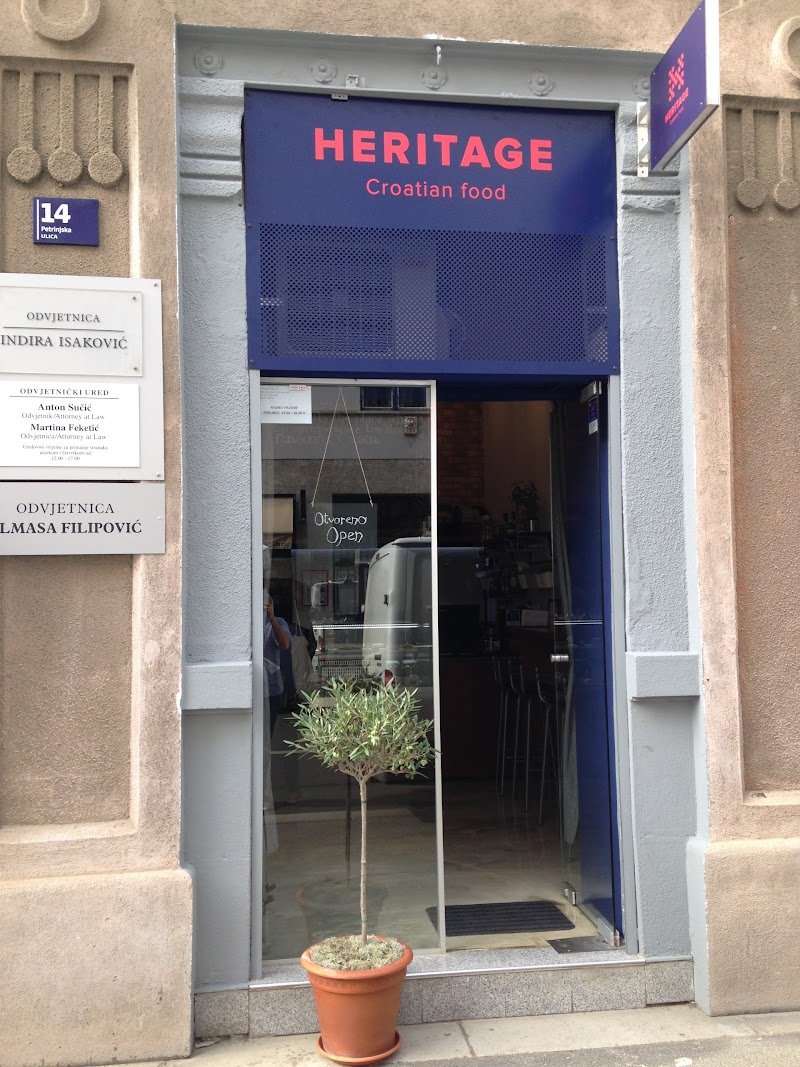
HERITAGE - Croatian Street Food & Shop

HERITAGE - Croatian Street Food & Shop

4.8 (2.7k reviews)
$$
LocationPetrinjska ul. 14, 10000, Zagreb, Croatia
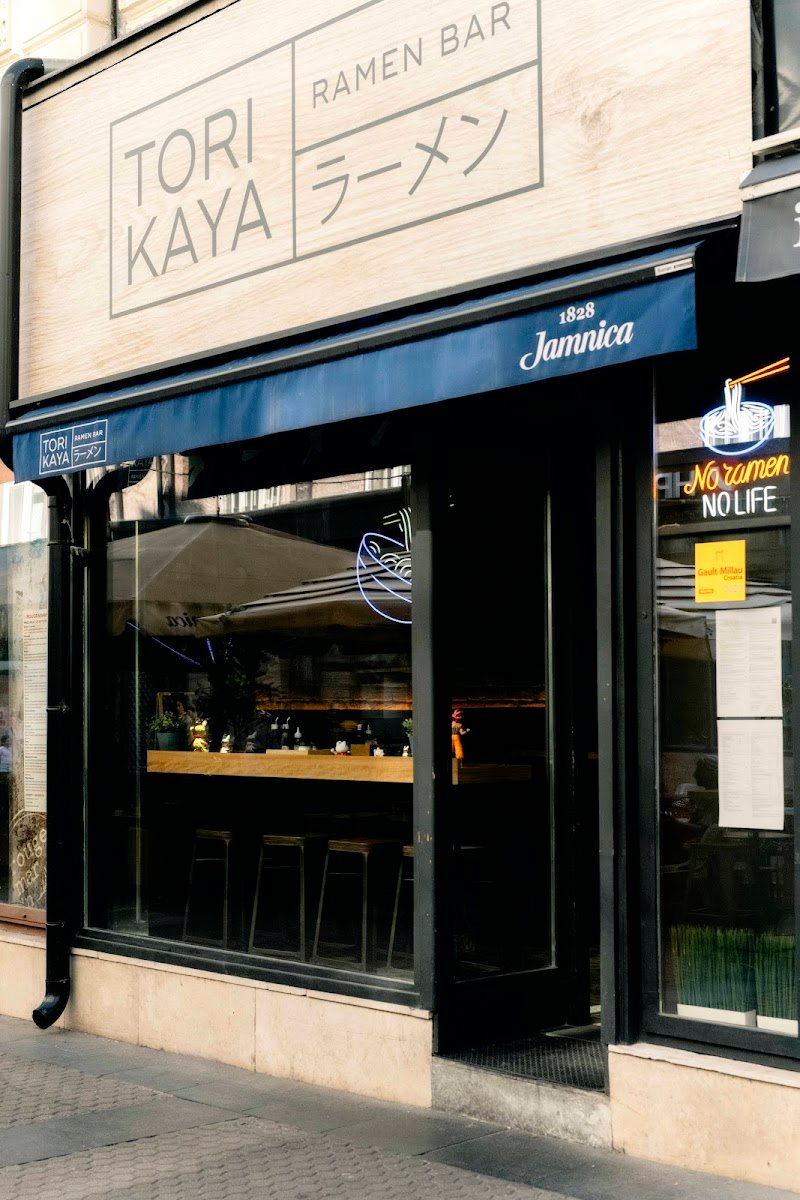
Torikaya Ramen Bar

Torikaya Ramen Bar

4.8 (4.3k reviews)
$$
LocationPetrinjska ul. 2, 10000, Zagreb, Croatia
Kiyomi

Kiyomi

4.8 (1.1k reviews)
LocationGajeva ul. 10, 10000, Zagreb, Croatia

Accommodations

Arriving in Zagreb, you may expect a quiet, old-town ease. But the city pulses with contrasts—ironed shirts and students, wrought-iron balconies above graffiti alleys. Picking where to stay matters. Blend tourist sights, daily rhythms, and sleep styles and Zagreb changes color, block by block. The right district can shape mornings, moods, and the city’s very scent.

Neighborhood Overview

  • Gornji Grad (Upper Town): Steep, cobblestone lanes wind past medieval churches, intimate guesthouses, and quiet museums. This part draws couples or solo travelers seeking history. Streets empty after dusk, leaving the gas lamps to glow over quiet squares.
  • Donji Grad (Lower Town): Buzzing with trams, green parks, and Austro-Hungarian plazas, Lower Town offers classic hotels and lively cafes. Families, business travelers, and longer-stay guests love the leafy blocks and easy connections.
  • Kvaternikov trg/Split Neighborhood: Off-center and local in spirit, Kvaternikov and Split surround their square and market. They offer simple hotels, great bakeries, and a calmer pace. Good for repeat visitors or those avoiding tourist throngs.
  • Britanski trg: Leafy, slightly upscale, and full of weekend antiques markets—Britanski trg suits slower mornings and quiet nights. Chic boutique hotels dot the area. Couples and older travelers come for the stylish calm.
  • Tkalciceva Street: For night owls and younger crowds, staying near Tkalciceva is a win. Hostels, bars, and thrumming patios crowd this pedestrian artery, and music reverberates deep into the night.
  • Medvescak and Maksimir: These green, slightly suburban areas provide apartments and budget hotels near sports, the zoo, and big parks. Families or runners wanting fresh air and space seek these parts of Zagreb.

Types of Accommodation

  • Hotels: Grand Hotel Esplanade or Hotel Dubrovnik offer comfort from 90–160 euros per night, right in the center.
  • Hostels and Guesthouses: Swanky Mint Hostel and Main Square Hostel give lively, affordable beds to travelers, often under 30 euros per night.
  • Apartments & Short-Term Rentals: Spacious flats and cozy studio apartments rent citywide. Expect 45–110 euros depending on zone and season.

Insider Tips for Booking

Book at least one month in advance for summer or December Advent season. Prices rise during major festivals and public holidays. Always expect a local tourist tax added to your bill (about 1–2 euros per night, per person).

Late at night, tram bells echo from park trees. Zagreb’s districts settle under moonlight, each with its own breath and heartbeat. The right accommodation makes that quiet or laughter yours, at least for a night.

Zagreb Travel Guide - What to See, Do & Eat